

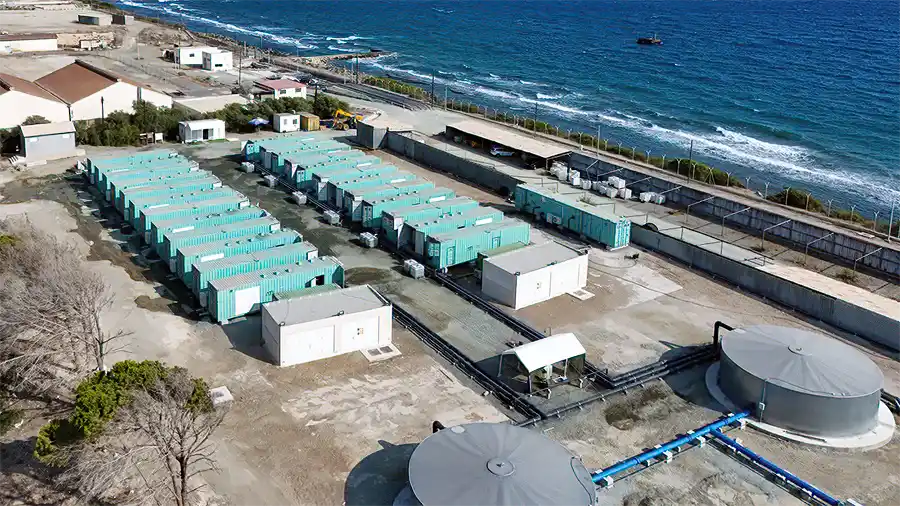
Cyprus is gaining some relief from its water crisis, but pressure on supplies remains high. Daily demand for drinking water can reach 300,000 cubic metres during the summer, according to Gianna Oikonomidou, Senior Executive Engineer at the Water Development Department. She warned that the risk of shortages has not gone away.
The latest figures show a sharp improvement in water inflows. During the 2025-26 hydrological year, inflows reached 116 million cubic metres, compared with 18.7 million the previous year. Overall dam storage is now 38.1%, against 15% at the same point in 2025. Yet demand continues to drain reserves, while all five permanent desalination plants are operating at full capacity.
Mazotos plant sparks environmental dispute
That dependence on desalination is now creating a fresh dispute over Cyprus’ coastline. Residents of Mazotos are opposing plans for an €85 million desalination plant, which is due to start operating in December 2026. The plant is expected to produce 20,000 cubic metres of drinking water a day, with capacity to rise to 40,000 cubic metres.
Residents have challenged both the location and the environmental assessment. They argue that the coastline is relatively untouched and that construction could damage marine habitats, including Posidonia oceanica seagrass meadows. The Mazotos Community Council has commissioned an independent marine assessment and applied to the court for a suspension of works.
Environmental concerns also focus on the plant’s brine discharge. The Marine and Environmental Research Lab has warned that desalination can increase salinity, temperature and pH around discharge points. It says these changes may place particular pressure on sensitive seabed ecosystems.
Water security becomes a property issue
Critics are also questioning why the plant was not placed at an existing industrial site such as Vasiliko. The proposed infrastructure includes concrete foundations, processing units, storage tanks, substations, a 3.7-kilometre land pipeline and submarine intake and discharge pipes. Some opponents therefore dispute the description of the project as a genuinely “mobile” unit.
The government says the project is vital to water security and climate resilience. Agriculture Minister Maria Panayiotou has defended the environmental approval and said safeguards and monitoring conditions will protect the marine environment.
For Cyprus’ property market, the dispute highlights a wider issue. Reliable water supplies are increasingly important to residents, businesses, tourism and new development. Better rainfall has bought the island time, but continued high demand means water security is likely to remain a key infrastructure concern.
