

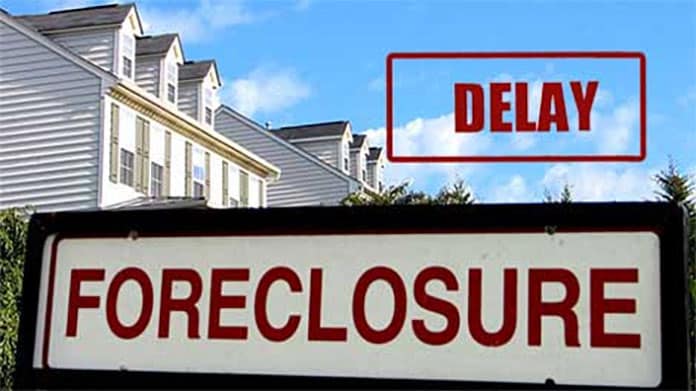
A controversial foreclosure bill has been signed into law in the Republic of Cyprus over the objection of the country’s finance minister who accused lawmakers of populism.
President Nicos Anastasiades has signed a foreclosures bill that postpones seizures of property for several months, a measure that had drawn condemnation from Finance Minister Constantinos Petrides.
Responsible versus irresponsible borrowers
Last month Petrides, who was the government reform czar before taking over the ministry, warned that the bill was sending the wrong message by “protecting mainly strategic defaulters at the expense of depositors and consistent borrowers.”
Anastasiades had initially refused to sign the foreclosure bill which he referred to the Supreme Court last year, while two other pieces of legislation on VAT were also on their way this summer to the highest court in the land after House approval.
Government spokesperson Marios Pekelanos told the Cyprus News Agency on Friday that the president has referred to the Supreme Court two bills on VAT that would “drastically reduce the state’s revenues.”
But Pelekanos told CNA the president had signed the foreclosure bill.
Last year the President took the issue to the Supreme Court, which decided this summer that postponing foreclosures for several months was a “temporary measure” and “not unconstitutional” and called on the administration to put the law into force.
The bench cited no violations of the right to freely enter into a contract or the principle of separation of powers between the executive and legislative branches of government.
But local economists and EU officials have raised eyebrows over the three bills, with Petrides lashing out at lawmakers last month and warning against “dangerous and unrestrained populism.”
Petrides had warned that the country needed to pass reform bills in order to handle foreclosures properly but without protecting the island’s bad debt culture, arguing that postponing foreclosures was endangering EU relief funds aimed at protecting responsible homeowners who needed help to pay mortgage under specific criteria.
The issue has divided Greek Cypriot society, with some pointing fingers at people who build homes on borrowed money and never pay back, while others have accused big banks of going after the little guy who could be homeless after a foreclosure.
Article first published by KNEWS on 12 August 2022
