
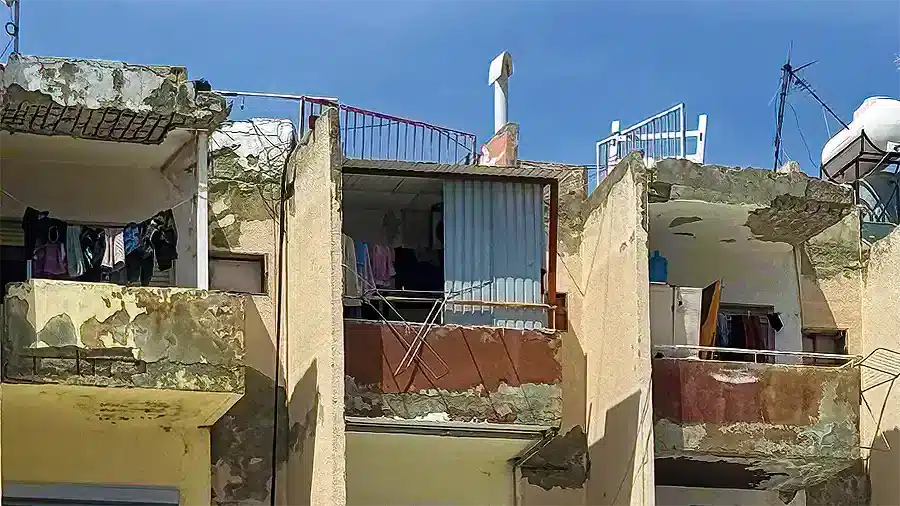
Cyprus is considering periodic technical inspections to assess building safety, like vehicle MOT tests, and reduce the risks posed by unsafe properties. The House of Representatives’ Interior Committee is examining the proposal, but progress is being held up by a dispute between the Ministry of Interior and the District Local Government Organisations (DLGOs) over who should pay.
The DLGOs are expected to take on more responsibility for dealing with dangerous buildings. While there is broad agreement on the main legislative changes, the organisations and the ministry have yet to agree how to fund the necessary work. A workable arrangement is needed to ensure the authorities have the resources to act.
MPs stressed that building owners remain primarily responsible for maintaining their properties. However, this does not remove the need for state intervention when building safety threatens human life or the public.
Building safety inspections
The proposed inspections would check whether buildings meet defined safety standards. MPs also raised concerns that responsibility for licensing, inspections and enforcement is fragmented. Clearer roles could help prevent overlapping duties and delays in responding to dangerous buildings.
The bill remains under parliamentary review. Members are seeking agreement on funding before it goes to the House in plenary.
The committee also began examining proposed amendments to the law on compulsory acquisition. This gives the state a way to acquire property for projects in the public interest, but it affects the constitutionally protected right to private property. The proposed changes aim to modernise procedures and improve how affected owners are informed.
Measures under consideration include publishing notices online and involving community authorities in the process. MPs said procedures should be transparent and owners treated fairly. They also raised concerns about delays in compensation, arguing that payment should be prompt and meaningful when private property is acquired.
The committee discussed safeguards to ensure acquired property is used only for the public purpose that justified its acquisition. The bill is still being examined and has not yet become law.
DISY MP Nikoleta Constantinou said Parliament was prepared to allow time for the ministry and DLGOs to find a mutually acceptable funding solution. She said protecting human life and public safety must guide the legislation. While welcoming the proposed changes, she said the DLGOs should not receive extra duties without the resources and administrative tools to carry them out.
ELAM MP Andreas Papacharalambous called for a more unified approach to dangerous buildings, saying the problem should not be left to fragmented management. He backed periodic technical inspections to assess building safety and proposed a single development authority with clearly defined responsibilities. He warned that unsafe buildings could not wait indefinitely for administrative and financial arrangements to be resolved.
On compulsory acquisition, Papacharalambous supported modernising the law while stressing that property rights must be protected through transparent procedures and fair compensation. He also backed online publication of notices and community authorities’ participation.
Both bills remain under parliamentary examination. Funding is the immediate challenge for the dangerous-building proposal, while the compulsory-acquisition amendments seek to balance public projects with property owners’ rights.
Translated and adapted from an article published by StockWatch
