

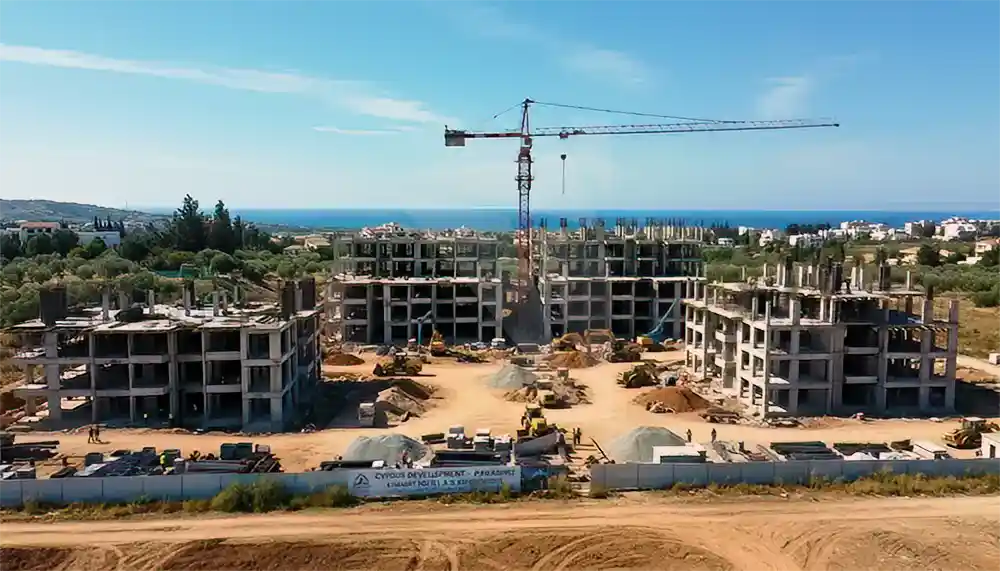
The 8.5% rise in home prices in the second quarter of 2026 is bound to attract attention. For a buyer in the Cyprus property market, though, the question is simpler: can I still afford a home in the area where I want to live? For an investor or developer, there is another pressing question: am I building what the market will need in five years’ time?
Whenever prices rise, the conversation turns to overseas buyers. International demand certainly affects the Cyprus property market. Its influence, however, varies by district, neighbourhood and type of home. A holiday-home buyer, a family moving to Cyprus for work and an investor seeking rental income all have different needs. We cannot plan housing supply as if they were one group.
Strong demand alone does not explain why a young couple may struggle to find a suitable home. Land prices, construction costs, the time it takes to complete a project and the types of homes developers choose to build all affect the final price and availability.
The Cyprus property market needs a clearer picture
In my view, Cyprus needs a more precise understanding of the gap between housing supply and demand. It is not enough to know how many sales took place or how many new homes received planning permission. We need to know where those homes are, how large they are, what they will cost and which households they are intended to serve.
That analysis should be broken down by area and price range. A new luxury development and a flat within reach of a working household serve different parts of the market. Both have a place in a healthy economy. Yet when the homes on offer do not match the incomes of people who live and work here, an increase in building activity will not automatically solve the housing problem.
For developers, this is also a business opportunity. The right decision does not start with, “How many square metres can I build?” It starts with, “Who will this property serve, and at what price can they realistically buy or rent it?” Investors, meanwhile, need to look beyond district-wide averages and assess the specific local market and its capacity to absorb new homes.
Cyprus has every reason to remain attractive to international buyers and businesses. It has just as strong a reason to ensure that growth creates homes and long-term rental options for the people who support its economy every day.
That will be the real measure of the market’s success in the years ahead: not simply how far prices rise, but whether new homes meet the needs of each city’s residents.
By Andreas Ph. Christophorides MRICS, Founder & CEO of the Landbank Group
Translated from an article published by the Landbank Group
