Home Blog Page 11

Cyprus property market analysis: May 2026 sales data

As reported yesterday, property sales in Cyprus continued their upward trend in May 2026, extending the steady growth seen across the real estate market over the past year.

According to the latest figures from the Department of Lands and Surveys, a total of 1,723 property sales contracts were deposited during May, representing a 5% increase compared with the same month last year.

While Cypriot buyers remained the largest group in the market, overseas purchasers continued to play a significant role, particularly in coastal districts where foreign demand remains a major driver of activity.

The chart below shows the year-to-date position of each market segment dating back to 2008. Note that it wasn’t until 2018 that the Department of Land & Surveys produced separate figure for EU and Non-EU buyers. Before 2018, all foreign purchases were recorded together as “Overseas Sales Contracts” combining both groups.

Cyprus property sale contracts January - May 2025

Domestic buyers remain the market’s largest segment

Cypriot purchasers accounted for 1,081 property sales in May, representing 62.7% of all transactions completed during the month. This compares with 1,055 sales in May 2025, an increase of 6%.

Performance varied considerably between districts. Domestic sales declined in Nicosia, where transactions fell 13% to 281, and in Famagusta, where sales dropped 37% to 29.

However, stronger activity elsewhere more than offset those declines. Paphos recorded the largest increase, with sales rising 34% to 147. Limassol and Larnaca also posted gains of 8%, reaching 368 and 256 sales respectively.

Domestic (Cypriot) contracts of sale deposited – 2025/2026 Comparison (May)

Looking at the first five months of 2026, all districts recorded higher domestic sales compared with the same period last year. Famagusta led the way with growth of 22%, followed by Limassol at 11%, Larnaca at 8%, while Paphos and Nicosia both reported increases of 4%.

Domestic (Cypriot) contracts of sale deposited – 2025/2026 Comparison

EU buyer activity surges, led by Paphos

Property purchases by European Union citizens recorded the strongest growth of any market segment during May.

EU buyers deposited 241 sales contracts, up 31% from the 184 recorded in May 2025.

Paphos remained the most popular destination for EU purchasers, with transactions soaring 83% to 88 sales. Famagusta also experienced strong growth, with sales increasing 82% to 20, while Larnaca recorded a 50% rise to 54 sales.

Nicosia saw a modest increase in activity, while Limassol was the only district to record a decline, with sales falling 18% to 56.

Contracts deposited by EU Nationals – 2025/2026 Comparison (May)

Year-to-date figures show continued momentum among EU buyers. Paphos leads the market with a 46% increase in sales compared with the first five months of 2025, followed by Larnaca at 31% and Nicosia at 19%. Limassol remained largely unchanged, while Famagusta recorded a 6% decline.

Contracts deposited by EU Nationals – 2025/2026 Comparison

Non-EU demand holds steady despite minor decline

Sales to non-EU buyers eased slightly during May, falling by just 1% year-on-year.

A total of 401 sales contracts were deposited by non-EU purchasers, compared with 405 during the same month in 2025.

The largest declines were recorded in Nicosia, where sales fell 27% to 19, and Limassol, where transactions slipped 6% to 109. Paphos also recorded a small decline of 3%, with 141 sales.

In contrast, Larnaca continued to attract growing overseas interest, posting a 13% increase to 110 sales. Famagusta also reported growth, with sales rising 10% to 22.

Contracts deposited by non-EU Nationals – 2025/2026 Comparison (May)

Despite the slight monthly decline, non-EU demand remains robust. Year-to-date figures show double-digit increases across all districts during the first five months of 2026, underlining the continued importance of international buyers to the Cyprus property market.

Contracts deposited by non-EU Nationals – 2025/2026 Comparison

Overseas buyers continue to shape key regional markets

Foreign buyers remain a dominant force in several areas of Cyprus, particularly in Paphos.

The district continues to attract significant interest from both EU and non-EU purchasers. During May, non-EU buyers purchased more properties than Cypriots, while combined sales to overseas buyers were more than double the number of transactions completed by domestic purchasers.

The latest figures reinforce the ongoing appeal of Cyprus among international investors and lifestyle buyers, with overseas demand continuing to provide a substantial contribution to overall market activity despite economic uncertainty in several global markets.

Market Segment Summary Analysis 2026 Year to Date

The May data highlights a market that remains resilient, supported by both domestic demand and sustained interest from foreign buyers, particularly in the island’s most popular coastal locations.

The Rocks: €mega development planned in Pentakomo, Limassol

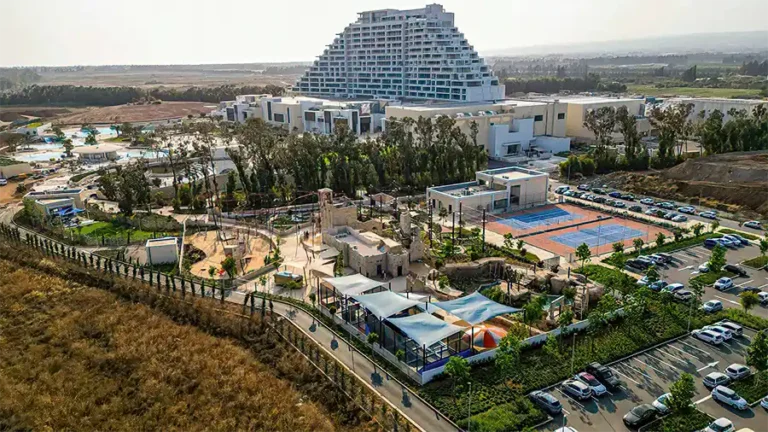
A major tourism and real estate development known as The Rocks has been proposed by DRL5COMOS PROPERTIES LTD in the community of Pentakomo, in the Limassol district.

The company has submitted an Environmental Impact Assessment (EIA) to the Environmental Authority, with the proposed development currently undergoing a public consultation process.

According to the project’s master plan, The Rocks will comprise a mixed-use tourism development, with operations expected to commence in 2029.

The scheme will include a 126-room hotel, 26 villas, 73 apartments and a beachfront service area covering 1,180 square metres.

Mixed-use resort development planned for 2029

The development has been designed as a large-scale coastal destination combining hospitality, residential accommodation and leisure facilities.

A total of 240 parking spaces are planned across the site, including:

  • 70 spaces for the hotel
  • 26 spaces for the villas
  • 94 spaces for the apartments
  • 50 spaces for the beachfront service area

Hotel and wellness facilities

The hotel will feature 126 rooms, a 900-square-metre spa and wellness centre, and six food and beverage outlets covering a combined area of 990 square metres.

The dining facilities will provide seating for 480 guests indoors and a further 300 guests outdoors.

The total floor area of the hotel will reach approximately 14,000 square metres.

Villas and apartments form key residential development

The residential component will consist of 26 villas with a combined floor area of 3,480 square metres.

In addition, 73 apartments are planned, covering a total area of 6,700 square metres. The apartment mix will include:

  • 50 one-bedroom apartments of 60 square metres each
  • 20 two-bedroom apartments of 85 square metres each
  • Two three-bedroom penthouses of 200 square metres each
  • One four-bedroom penthouse of 350 square metres

The apartment complex will also include communal facilities and a reception area spanning 700 square metres.

Beachfront facilities and public infrastructure

The beachfront service area will cover 1,050 square metres and will include:

  • A 700-square-metre indoor restaurant and bar
  • A 480-square-metre outdoor terrace
  • An outdoor swimming pool and sunbed area

The overall site extends across 34,714 square metres. As part of the development, 3,871 square metres will be allocated to public green space, while 2,456 square metres will be dedicated to road infrastructure. The remaining 28,387 square metres will form the main development plot.

The project also includes a dedicated access point linking the external road network with the internal roads and parking areas within the development.

Existing buildings currently located on the site will be demolished to make way for the new scheme.

Environmental review underway

The submission of the Environmental Impact Assessment marks a key stage in the planning process. The project is now subject to public consultation before any final approvals are granted.

If approved, The Rocks is expected to become one of the most significant tourism and residential developments proposed for the Limassol coastline in recent years, adding new hospitality capacity and high-end residential accommodation to the area.

Unsafe buildings alert amid Limassol development growth

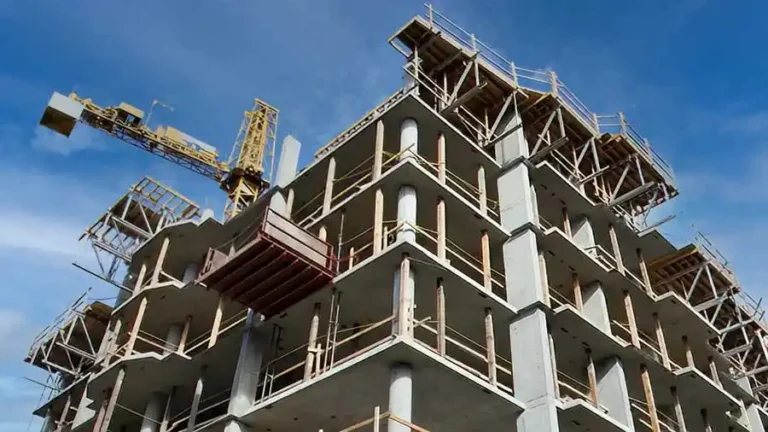
Limassol continues to experience a period of intense construction activity, with local authorities processing a record number of planning and building permit applications while also tackling the growing issue of unsafe buildings across the district.

According to Socrates Metaxas, Director General of the Limassol District Local Government Organisation (DGLO), around 1,000 new applications for planning and building permits are being submitted every month, highlighting the strength of development activity throughout the district.

Apartment blocks lead development in Limassol

Speaking to local media, Mr Metaxas said the organisation inherited approximately 8,500 outstanding cases when it was established on 1 July 2024. Around two-thirds of those applications have now been processed, while officials continue to assess new submissions arriving daily.

“Our objective is to clear all inherited pending cases by the end of this year so that we can operate under fully normal conditions,” he said.

Despite geopolitical tensions in the wider region, Limassol’s development momentum remains strong. Mr Metaxas noted that application volumes show no signs of slowing, with the majority relating to apartment buildings, including several high-rise residential projects and towers.

He explained that Limassol differs from other districts due to the large buildable floor area included in approved applications, largely driven by the presence of tall buildings. Most development activity is concentrated within the wider urban area stretching from Moni and Parekklisia to Episkopi.

Growing interest in high-rise coastal projects

Interest in high-rise developments remains strong, with several applications already submitted and others currently being prepared.

Mr Metaxas said authorities are working to assess proposals within the framework established by the Department of Town Planning and Housing and the relevant local municipalities, ensuring that broader planning principles are maintained.

He stressed that no area in Limassol has been designated exclusively for tall buildings. Instead, each application is assessed according to planning legislation, infrastructure capacity and the characteristics of the surrounding area.

Particular attention is being focused on Aktaias street, where further applications for high-rise developments are expected. Property owners have already expressed interest in pursuing additional tower projects in the area.

Meanwhile, staffing levels at the DLGO continue to increase. The organisation is expected to employ around 500 people by the end of the year, with efforts focused on training and integrating new staff into operations.

Warning over nearly 1,000 unsafe buildings

Alongside the construction boom, authorities are facing a significant challenge involving dangerous and unsafe buildings throughout the district.

Mr Metaxas revealed that around 1,000 unsafe buildings have now been identified across Limassol. The organisation initially inherited responsibility for approximately 700 from previous authorities, but ongoing inspections have increased that figure substantially.

Of particular concern are around 40 buildings classified as highly dangerous and requiring immediate intervention.

However, Mr Metaxas argued that current legislation does not provide all the tools needed for swift enforcement action. Existing powers do not fully allow authorities to disconnect utility services such as electricity and water or to enforce immediate evacuations where necessary.

He emphasised that responsibility for maintaining buildings remains primarily with property owners. Ideally, he said, authorities should have the legal ability to enter and secure unsafe premises immediately, regardless of objections from owners.

As Limassol’s skyline continues to evolve, officials face the dual challenge of supporting economic growth through new development while safeguarding residents from ageing and potentially hazardous buildings.

The DGLO says it remains committed to meeting the city’s growing needs, improving public services and supporting the continued development of Limassol’s economy.

Cypriot buyers shift to smaller apartments as prices rise

The dominance of new-build developments across Cyprus is reshaping buyer behaviour, with increasing numbers of local purchasers opting for smaller apartments in an effort to secure affordable housing.

Industry figures argue that the market currently offers a wide range of available properties and reject claims of a widespread housing shortage. They also note that recent geopolitical tensions, despite causing an initial slowdown, have ultimately reinforced demand across the property sector.

Latest figures from the Department of Lands and Surveys highlight the market’s resilience. During the first quarter of 2026, property sale contracts increased by 14% year-on-year, while total transactions reached 4,079.

Strong supply supports market activity

Speaking to StockWatch, Cyfield Group chief executive George Chrysochos said the market recovered quickly following the initial uncertainty caused by regional conflicts and flight restrictions affecting several Arab countries.

“Despite the first reaction to the war and the suspension of flights from Arab countries, the market returned rapidly, resulting in higher transaction levels than last year,” he said.

According to Mr Chrysochos, the supply of available properties has expanded significantly, creating a healthier balance between supply and demand and offering more opportunities for prospective buyers.

He added that increased housing supply has also helped stabilise rents after several years of steep increases.

However, prices for new-build homes continue to rise, driven largely by construction costs and escalating land values.

In Limassol, land prices remain under pressure due to the limited availability of development plots and the arrival of major investors from neighbouring countries undertaking large-scale projects.

Developers are also facing higher costs linked to global supply chains, transport, shipping and labour shortages. These factors have pushed construction costs higher, leading to annual price increases of between 5% and 10% for new-build properties in Limassol.

Property values in the city continue to vary significantly according to proximity to the coastline. Seafront developments typically command between €8,000 and €15,000 per square metre, while conventional apartments located inland near or above the motorway generally average around €4,000 per square metre.

In contrast, Nicosia remains considerably more affordable for local buyers. A typical two-bedroom apartment in Latsia currently sells for between €220,000 and €230,000. With bank financing covering up to 80% of the purchase price, buyers generally require a deposit of between €40,000 and €50,000.

Rental pressures continue across regional markets

Estate agent Vassos Zannetos said a large number of modern residential developments have entered the Larnaca market, but the rental levels sought by landlords remain beyond the reach of many local residents.

A two-bedroom apartment within the city typically commands rents of €1,000 per month or more, while three-bedroom properties often exceed €2,000 per month. Properties in surrounding areas are generally only around €100 cheaper.

Mr Zannetos highlighted a severe shortage of affordable rental homes in the €600 to €800 monthly range, noting that long-term tenants are reluctant to leave existing properties due to significantly higher rents elsewhere.

Purchase prices in and around Larnaca also remain elevated. Two-bedroom apartments generally start at €240,000, while three-bedroom homes frequently exceed €400,000. Strong demand continues to support pricing, with developers showing little willingness to reduce asking prices.

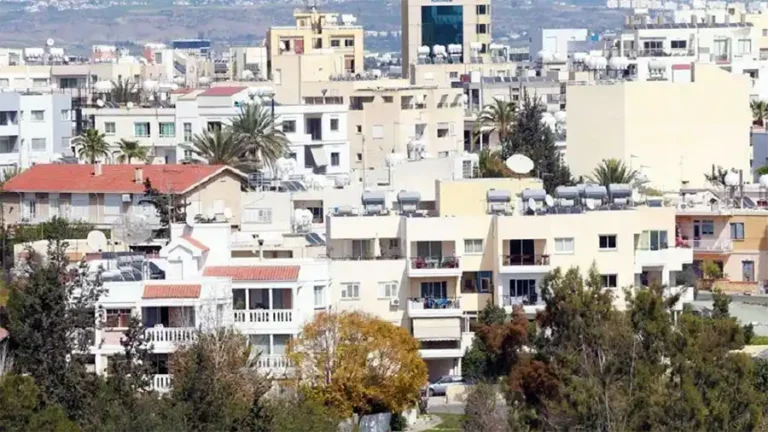
Affordability challenges are increasingly affecting Cypriot buyers, with rising property values spreading beyond urban centres into suburban and rural communities.

Kiti remains a popular and well-organised residential area, where two-bedroom apartments are priced at around €200,000 and three-bedroom units start from approximately €280,000.

Meanwhile, Alethriko has emerged as an increasingly attractive alternative for buyers seeking better value within easy reach of Larnaca. Mr Zannetos believes developers should place greater emphasis on projects aimed at local buyers, allowing two-bedroom homes to be offered closer to the €190,000 mark.

Foreign demand continues to drive prices higher

In Paphos, estate agent George Petrou said rental supply remains extremely limited, particularly for one-bedroom apartments.

He argued that both rental and sales markets are increasingly targeting foreign buyers rather than local households. Monthly rents for two-bedroom apartments typically start from €800, while three-bedroom properties generally exceed €1,200.

Mr Petrou said demand from Israeli buyers remains strong, particularly for land and residential properties. He also believes ongoing instability in the Middle East is encouraging more investors from the region, especially from Dubai, to view Cyprus as a safe investment destination.

For local buyers, however, affordability has become a growing concern.

“Three years ago, someone could purchase a building plot for €200,000. That is no longer possible,” he said.

According to Mr Petrou, many Cypriots are searching for homes priced around €300,000, yet even at that level buyers often struggle to secure anything other than older resale properties.

George Mouskides, director of Fox Smart Estate Agency and a member of the Property Owners Association, said the market began normalising in 2023 but is now experiencing unprecedented levels of apartment construction.

The surge in new developments has helped place downward pressure on rents, although he expects rental values to stabilise at current levels over time.

Mr Mouskides estimates that rising demand and higher raw material costs linked to global conflicts have pushed property prices up by around 10% across all major Cypriot cities.

He also noted a clear shift in purchasing habits, with local buyers increasingly favouring smaller and more affordable apartments or turning to older resale properties that offer larger living spaces at lower prices.

Despite affordability concerns, buyers are not postponing purchases.

“People know that prices rise every year, so they continue to buy,” he said.

Current market pricing places one-bedroom apartments at around €170,000, two-bedroom units at approximately €270,000 and three-bedroom properties at around €320,000.

Two-bedroom apartments remain the most popular choice among purchasers, while one-bedroom units dominate the rental market, followed by two-bedroom properties.

Conclusion

Cyprus’ residential property market continues to demonstrate strong momentum, supported by robust demand, expanding new-build supply and sustained foreign investment.

Yet while developers are delivering more homes than ever before, rising construction costs and growing international demand continue to challenge affordability for local buyers. As a result, smaller apartments and selected resale properties are increasingly becoming the preferred route onto the housing ladder for many Cypriot households.

Cyprus property sales post 5 per cent growth in May

Cyprus’ property market continued its upward momentum in May, with property sales continuing to rise despite weaker activity in two districts.

Official figures released by the Department of Lands and Surveys show that 1,723 property sale contracts were deposited at Land Registry offices across the island during May 2026. This represents a 5% increase compared with the 1,644 contracts recorded in May 2025.

The figures cover all segments of the real estate market, including residential properties such as houses and apartments, commercial assets including offices, retail premises and warehouses, as well as land transactions involving building plots and agricultural fields.

While property sales declined in Nicosia and Famagusta, strong performances in other districts more than offset the losses. Sales in Nicosia fell by 12%, while Famagusta recorded an 8% decrease year-on-year.

In contrast, Paphos delivered the strongest growth, with property sales climbing by 24% compared with May last year. Larnaca also reported a solid increase of 14%, while Limassol recorded growth of 2%

Total contracts of sale deposited – 2025/2026 Comparison (May)

Property sales continue to rise in 2026

The positive trend has been evident throughout the year. During the first five months of 2026, a total of 8,043 property sale contracts were deposited at Land Registry offices across Cyprus.

This marks a 12% increase on the 7,185 contracts recorded during the same period in 2025, with every district reporting year-on-year growth.

Limassol remained the island’s busiest property market, recording 2,537 sales contracts between January and May. Nicosia followed with 1,749 transactions, narrowly ahead of Larnaca with 1,747. Paphos recorded 1,631 sales, while Famagusta accounted for 379 transactions.

Total contracts of sale deposited – 2025/2026 Year-to-Date Comparison


The latest figures underline the continued resilience of the Cyprus property market, with demand remaining strong across key residential, commercial and land sectors despite regional variations in activity.

How geopolitics is driving up housing costs in Cyprus

Europe may already be entering its second major energy crisis in just a few years. For Cyprus, a small, open and highly energy-dependent economy, the consequences could be significant, particularly for the property sector.

The conflict involving Iran and growing instability around the Strait of Hormuz, through which roughly a quarter of the world’s seaborne oil trade passes, have already triggered fresh increases in energy prices, transport costs and raw materials. While global markets have not yet entered full panic mode, the data is beginning to point towards a more concerning reality.

Across Europe, the impact is becoming increasingly visible. Economic growth is slowing, inflationary pressures are re-emerging and policymakers are warning that elevated energy costs may persist for an extended period. For the real estate sector, this is not simply a macroeconomic concern. It represents a direct challenge to housing delivery and affordability.

Cyprus construction costs face renewed pressure

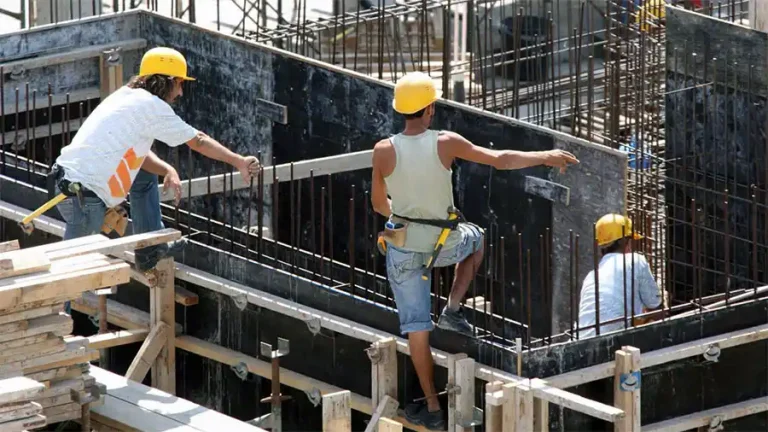
Construction remains one of the most energy-intensive sectors of any economy. From cement and steel production to the transportation of materials, site operations, heavy machinery and international supply chains, almost every stage of property development is influenced by energy costs.

Cyprus is particularly exposed. The country imports almost all of its energy requirements, while a significant share of the building materials and equipment used by the construction industry comes from overseas. As a result, any increase in oil prices, natural gas costs or shipping rates is quickly reflected in overall construction expenses.

Early indications suggest these pressures are already returning. Diesel prices across Europe have risen since the latest conflict began, with Cyprus among the countries experiencing some of the largest increases. At the same time, European natural gas prices have climbed following attacks on energy infrastructure in the Gulf region.

This comes at a time when the Cypriot construction sector has yet to fully absorb the shock of the 2021-2023 period, when building material costs surged due to inflation, supply chain disruptions and the war in Ukraine.

Construction costs in Cyprus remain close to record highs. Although recent months had shown signs of stabilisation, the latest energy market turbulence threatens to reverse that progress.

Housing affordability risks deepen

The consequences extend far beyond developers and contractors. The issue is fundamentally social as well as economic.

When construction costs rise, the ability to deliver affordable housing declines. Projects that were only marginally viable become financially challenging. New developments may be delayed, scaled back or cancelled altogether. Smaller developers often face the greatest pressure.

The result is a reduction in housing supply at precisely the moment when demand remains strong.

Europe is already grappling with a housing crisis, and Cyprus is no exception. In a market where residential supply is constrained by slow planning approvals, high financing costs and infrastructure limitations, a renewed energy crisis could significantly accelerate existing affordability challenges.

Market confidence could also be affected

A less visible but equally important risk is investor confidence.

The construction industry relies heavily on predictability. Major property developments are planned over many years and require confidence in future costs and market conditions. When developers face geopolitical uncertainty, volatile energy prices and persistent cost inflation, appetite for risk inevitably declines.

A slowdown in property investment has wider implications for the economy. Contractors, suppliers, engineers, banks and the labour market all feel the impact when development activity weakens.

Cyprus must respond proactively to this changing environment. Faster planning approvals, reduced bureaucratic delays, greater investment in energy-efficient buildings and more resilient supply chains are no longer simply measures to improve competitiveness. They have become essential tools for strengthening economic resilience.

If Europe is entering a new era of energy uncertainty, the Cypriot property market cannot afford to remain a passive observer. The decisions taken today will play a crucial role in determining the affordability, sustainability and stability of housing in the years ahead.

Yiannis Misirlis is President of the Cyprus Property Developers Association.

(Translated from an article published in Politis)