Fewer building permits but strong growth in area and value

The number of building permits issued in Cyprus declined during the first eight months of 2025 compared to the same period in 2024. However, both the total value and total area of approved permits increased, according to the latest figures released by the Cyprus Statistical Service.

A total of 647 building permits were issued in August 2025. Cumulatively, permits issued between January and August reached 4,842; a fall of 4.3% compared with the 5,062 permits during the same period in 2024.

Despite the fall in the number of permits, those approved are expected to deliver 9,275 residential units, representing a 14.6% year-on-year increase, highlighting a clear shift towards larger-scale developments.

Strong growth in building permits area & value

The total area of approved building permits reached 1,998,548 sqm., up 16.1% compared with the first eight months of 2024. In value terms, the total worth of building permits reached €2.44 billion, an annual increase of 12.3%.

The area of residential buildings rose by 19.6%, non-residential buildings by 2.6%, and civil engineering projects by a notable 46.8%.

In value terms, residential developments reached €1.85 billion (+16.4%), while non-residential projects amounted to €469.2 million (+14.9%).

Falls were recorded in civil engineering works (-30.5%), land subdivisions (-23.6%), and road construction (-61.9%).

Residential property growth in most categories

Growth was recorded in nearly all types of residential property. Detached houses increased by 24.5%, reaching 2,325 units, while semi-detached houses rose by 16.4%. Apartment buildings also recorded strong growth of 18.6%.

However, mixed-use apartment buildings saw a sharp decline of 62.5%, with approvals falling to just 195 units.

Area by district: Strong growth in Nicosia and Limassol

A further analysis by stockwatch shows a large increase in the total construction area in Limassol and Nicosia during the period January – August 2025.

Limassol posted a 40.1% increase, reaching 712,600 sqm, Nicosia followed with a 25.3% rise, totalling 692,900 sqm. However, falls were recorded in Paphos (-16.3%), Famagusta (-16.6%), and Larnaca (-3.9%).

Compared with 2019, the total area of approved building permits across Cyprus has increased by 29.9%. Nicosia shows the strongest five-year growth (+68.2%), while Paphos is the only district recording a fall (-6.4%).

The “Ippodamos” system

Since July 2024, the authority for issuing building permits has transferred from the municipalities and district administration offices to the District Local Government Organisations (DLGOs). All applications are now processed through the “Ippodamos” digital system.

The implementation of this new framework continues to influence data flows, mainly due to ongoing technical and organisational adjustments, which remain a key factor when interpreting recent statistics.

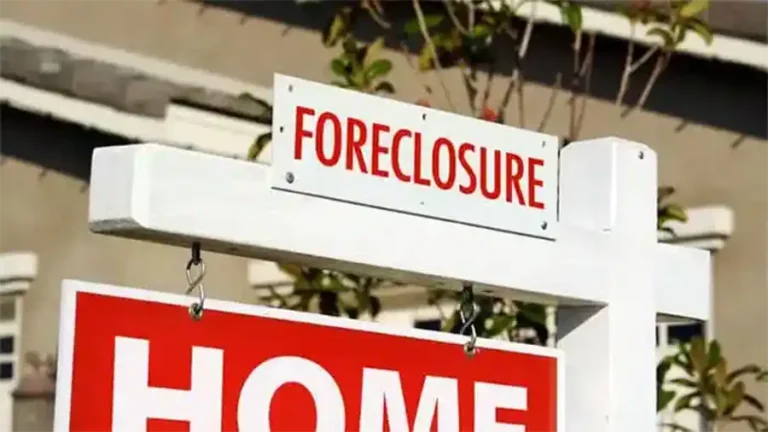
Foreclosure court frozen as borrowers remain unprotected

Two years after Parliament authorized the establishment of a dedicated Foreclosure Court, the heralded reform exists largely in name only. Although legislation passed in December 2023 created a Special Jurisdiction for Non-Performing Loans (NPLs), the framework remains unimplemented to date.

The Foreclosure Court was presented as a critical safety net for borrowers, offering the right to appeal to protect a primary residence valued at up to €350,000 from foreclosure. In practice, however, that protection has never materialised. The Supreme Court has ruled that conditions are not yet in place for the law to be applied.

Crucially, the legislation approved by Parliament does not oblige the Supreme Court to proceed with the establishment of the Foreclosure Court. The relevant provision is optional – a legislative loophole that has effectively frozen the entire reform.

As a result, borrowers remain at risk. While borrowers may still rely on pre-existing legislation to challenge loan repayments or dispute loan agreements through the courts, the specialised and expedited protection promised by the Foreclosure Court has failed to appear.

Ecologists reignite the fight for access to justice

The continued non-operation of the Foreclosure Court has prompted the Ecologists party to reopen the debate on citizens’ right of access to justice, particularly in foreclosure cases. Their newly tabled bill seeks to strengthen legal safeguards against abusive clauses commonly found in loan and mortgage agreements.

Last Thursday, the Ecologists submitted a bill to the Plenary of the House aimed at securing the right of mortgagor-debtors – and other interested parties – to apply to a competent court for the suspension of foreclosure proceedings in defined circumstances. These include disputes over the amount allegedly owed and claims relating to abusive or unlawful clauses in loan or mortgage contracts.

The proposal, signed by Ecologists President Stavros Papadouris, applies where a mortgagor-debtor or another interested party has initiated legal action, an appeal, or an application to set aside a court decision issued in favour of a licensed credit institution, a former cooperative credit institution, a credit-acquiring company (vulture fund), or a credit facilities manager. The disputed issues may concern the amount owed, abusive clauses, other illegalities, or even the nullity of the loan or mortgage contract itself.

Importantly, the bill provides that no new warning notice for the intended sale of mortgaged property may be served until a final judgment has been issued on the substance of the dispute across all legal remedies.

Furthermore, even where a court rules in favour of the mortgagee-lender, the debtor retains the right to apply for the setting aside of that judgment if it is founded on abusive clauses within the loan or mortgage agreement.

According to the rapporteur, these safeguards would apply regardless of whether any foreclosure notices were issued before the law comes into force under the existing legal framework governing mortgage sales.

With the new year, the Ecologists intend to push for the bill to be examined by the parliamentary Finance Committee. Resistance is expected from the Central Bank, the Association of Banks and the Association of Credit Acquiring Companies. While the Ecologists may find limited support from other parties, opposition from DISY and DIKO is widely anticipated.

For now, the Foreclosure Court remains dormant — and borrowers remain dangerously unprotected.

Cyprus tops global index for holiday home buyers

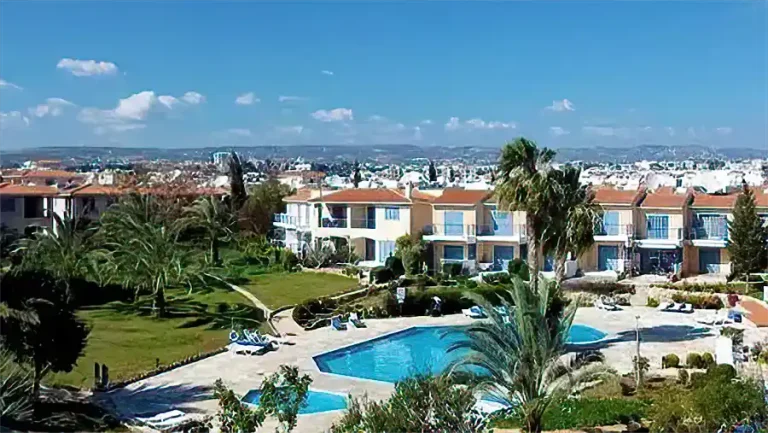
Cyprus has been named the world’s best country in which to buy a holiday home, in a newly released global holiday home index by Australian comparison platform Compare the Market.

The Mediterranean island secured the top spot among 50 international destinations, outperforming perennial favourites such as Malta, Italy, Greece and Spain

The ranking highlights Cyprus’ enduring appeal with overseas property buyers, driven by its blend of warm climate, coastal beauty and cultural heritage. Compare the Market noted the island’s rich ancient history, its mythical association with Aphrodite – the Greek goddess of love – and its reputation for superb wine and fresh local produce.

Cyprus scored particularly strongly in the holiday home rankings for its abundance of dining options, boasting 534 restaurants per 100,000 people, as well as its favourable weather, with average monthly rainfall of just 31.89mm. The island also ranked in the top ten for the number of activities available (334 per 100,000), underscoring its suitability for both relaxation and adventure.

Importantly for investors, Cyprus recorded a low real house price index score of 99.6, based on OECD figures, making it an attractive market for those seeking value alongside lifestyle perks. With its mix of affordability, amenities and year-round sunshine, the island continues to strengthen its position as a leading choice for international holiday home ownership.

The full rankings below were published as part of Compare the Market’s global holiday home index.

Holiday Home Hotspots House price indices No. of Restaurants per 100,000 people No. Things to do per 100,000 people Avg Temp (C) Avg Precipitation (MM) Crime Index Score Index Score
Cyprus 99.6 534 334 20.2 31.89 32.99 8.25
Australia 122.14 405 115 22.8 36.94 47.31 7.46
Malta 171.93 319 414 20.6 50.24 43.09 7.11
Italy 92.58 487 77 14.6 85.23 47.18 6.91
Greece 144.44 405 376 16.1 67.56 46.35 6.76
Spain 129.98 404 99 15.1 53.74 37.67 6.7
Belgium 105.7 335 70 11.8 77.89 49.62 6.38
Portugal 179.97 426 411 16.9 60.85 32.86 6.32
France 103.87 297 72 12.7 94.93 55.86 6.12
Sweden 101.9 237 89 4.2 67.41 47.93 5.98
Ireland 139.02 256 283 10.3 96.23 48.83 5.86
Israel 138.7 69 116 21 17.75 31.84 5.83
South Africa 88.54 29 13 19 40.23 74.58 5.51
Finland 85.04 159 111 3.6 64.01 26.65 5.51
Costa Rica 108.17 148 141 25.2 277.33 53.82 5.48
United Kingdom 109.2 312 59 9.9 90.61 48.26 5.48
Denmark 120.3 234 167 10 72.39 25.97 5.45
Norway 107.68 197 164 3.1 105.9 33.06 5.25
Germany 115.78 206 43 11.2 73.15 38.42 5.22
Brazil 73.91 112 10 26 138.38 64.04 4.99
Croatia 151.27 298 491 13.8 90.36 24.47 4.98
Austria 122.91 305 155 9.3 105.67 28.35 4.98
Switzerland 130.5 323 149 7.8 133.74 27.18 4.95
Mexico 133.75 77 19 22.7 66.38 52.99 4.9
Luxembourg 131.34 96 111 11.1 77.55 32.99 4.81
United States 154.53 273 58 10.7 71.23 49.15 4.81
Iceland 173.49 355 725 1.2 121.59 25.52 4.55
New Zealand 135.04 97 355 10.9 131.36 48.75 4.54
Netherlands 147.06 263 93 11.8 75.38 25.78 4.52
Hungary 179.59 122 61 13.5 58.37 33.45 4.49
Canada 144.46 258 59 -3 56.9 45.72 4.49
Estonia 135.88 168 185 7.6 61.93 23.48 4.4
Korea 92.14 160 26 13.6 102.9 28.72 4.37
Colombia 105.15 48 21 25.6 260.77 61.16 4.34
Japan 119.37 626 23 13.1 153.86 22.8 4.28
Czechia 146.92 185 169 10.6 67.11 26.5 4.22
Slovak Rep. 128.62 87 74 11.1 71.7 30.98 4.17
Latvia 138.75 65 125 8.5 62.83 36.38 4.17
Singapore 213.2 313 98 28.4 189.25 22.5 4.14
Bulgaria 141.08 86 55 13.2 61.54 35.51 4.08
Romania 97.512 53 33 12.3 63.52 31.17 3.82
Poland 139.69 111 61 10.9 62.91 28.62 3.82
India 98.56 11 1 25.4 103.66 44.21 3.79
Lithuania 155.02 84 72 9.2 62.51 33.27 3.76
Türkiye 174.96 76 42 13.2 58.38 41.49 3.63
Slovenia 154.46 150 183 11.7 113.19 24.46 3.47
Indonesia 91.97 14 5 26.4 279.25 46.42 3.37
Chile 134.45 88 51 9.7 119.71 60.68 3.35
Russia 186.13 63 28 -2.6 48.81 38.31 2.91
China 133.38 7 1 8.5 67.57 23.27 1.92

Due diligence a must

Those looking to buy a holiday home or a permanent home in Cyprus should follow my guide – Essential due diligence for buying property in Cyprus.

Is a Mansion Tax coming to Cyprus?

In her recent UK Budget, Rachel Reeves announced a new “mansion tax,” officially named the High Value Council Tax Surcharge, targeting residential properties in England valued at over £2 million.

This annual charge will be added to existing council tax bills, starting from April 2028, and is designed to address wealth inequality in the property tax system.

A Mansion Tax in Cyprus?

The Cyprus government will consider introducing a Mansion Tax on immovable property worth €3 million or more once the broader tax reform package has been completed. It’s expected the draft bill will be discussed in the New Year when MPs return from their Christmas break.

The tax has been proposed by AKEL MP Stefanos Stefanou. In the explanatory memorandum, which accompanies his proposed bill, the MP noted that:

The purpose of this bill is to introduce a yearly tax of 1‰ (one per thousand) on immovable property worth €3,000,000 and above.

This measure is intended to help create a fairer, more modern, and socially responsible tax system. Taxing very high-value property will bring in important revenue for the state. This money will help support vulnerable people and small and medium-sized businesses, promoting social cohesion and sustainable development.

This bill is part of a wider set of laws aimed at making the tax system fairer and improving its social impact. The overall goal is to reduce the financial burden on households, correct existing inequalities, and create a more effective and socially sensitive tax framework that better supports society.

According to Mr Stefanou’s proposal: If someone does not pay the tax on time, they must pay an extra charge of 10% of the tax owed. If someone pays at least 30 days before the deadline, they will receive a 10% discount. Payments will be made electronically and if the tax owed is €10 or less, it will not be collected.

(Apparently, a similar recommendation was put forward by the Economics Research Centre but was not taken up by the government.)

It appears this ‘mansion tax’ is a replacement for the old Immovable Property Tax (IPT) that was abolished in 2017.

Problems for home buyers?

Many homebuyers faced problems with nefarious developers, who did not pay IPT by the due date. They demanded that buyers paid the IPT they owed plus the interest plus late payment penalties imposed by the Tax Department. Their demands came when Title Deeds were eventually issued and in some cases nefarious developers demanded many thousands of Euros before they would transfer title to the buyers.

This problem was overcome to a degree (with the help of the Troika) when Cyprus changed that law making those buying property responsible for IPT when they took delivery of a property. But there are still legacy issues to resolve.

Hopefully, if the proposed mansion tax is adopted, the law will make similar arrangements for property buyers avoiding issues they faced in the past..

Cyprus property sales analysis: November 2025

As reported last week, property sales in November rose 7 per cent compared to November 2024 putting Cyprus firmly on track to achieve the highest number of sales since the peak year in 2007 and the third most successful year since records began in 2000.

The Department of Lands & Surveys, has published figures summarising sales to the local (Cypriot) market, EU citizens, and non-EU citizens.

Property sales: market segment analysis

Domestic (Cypriot) buyers accounted for 939 sales in November – 57.1 per cent of total sales.

Foreign buyers from the EU filed 264 sales documents in November – 16.1 per cent of total sales, while foreign buyers from outside the EU filed 441 sales documents – 226.6 per cent of total sales in the month.

In the first eleven months of 2025, domestic (Cypriot) buyers accounted for 9,852 sales – 59.9 per cent of total sales.

Foreign buyers from the EU filed 2,224 sales documents in the first eleven months – 13.5 per cent of total sales, while foreign buyers from outside the EU filed 4,379 sales documents – 26.6 per cent of total sales in the first eleven months of 2025.

So far this year, foreign buyers (both EU and non-EU) accounted for 40.1 per cent of total sales. To put this number in perspective, since 2008 foreign buyers have accounted for 36.4 percent of total sales – and exceeded 40 per cent in five of the 18 years. However, the 6,603 figure reported so far this year is the highest number on record.

Department of Lands and Surveys statistics reveal a property market shaped increasingly by international demand.

In Paphos, non-EU buyers once again outpaced local purchasers, confirming its position as a preferred destination for overseas investors and holiday-home seekers. Meanwhile, Limassol and to a lesser degree Famagusta seem to be losing their appeal with non-EU buyers.

Market Segment Summary Analysis Year-to-Date

Domestic sales

Domestic contracts of sale deposited – 2024/2025 Comparison (Nov)

Domestic contracts of sale deposited – 2024/2025 Year-to-Date Comparison

Overseas sales

Overseas contracts of sale deposited – 2024/2025 Comparison (Nov)

Overseas contracts of sale deposited – 2024/2025 Year-to-Date Comparison

Sales to EU nationals

Contracts deposited by EU Nationals – 2024/2025 Comparison (Nov)

Contracts deposited by EU Nationals – 2024/2025 Year-to-Date Comparison

Sales to non-EU nationals

Contracts deposited by non-EU Nationals – 2024/2025 Comparison (Nov)

Contracts deposited by non-EU Nationals – 2024/2025 Year-to-Date Comparison

Year to date property sales analysis

Contracts Deposited 2008 to 2025 Year-to-Date Comparison

Residential property prices up 5% year-on-year in Q3 2025

An annual increase of the Residential Property Price Index (RPPI) by 5% was recorded in the third quarter of 2025, compared with 4.7% in the second quarter of 2025, according to data from the Central Bank of Cyprus (CBC).

Apartment prices accelerated to 6.4%, while house prices slowed to 2.6% during the quarter under review.

According to the CBC, the overall RPPI (houses and apartments) recorded a quarterly increase of 1.2% in the third quarter of 2025, compared with an increase of 1.5% in the second quarter of 2025. This resulted from a slowing quarterly rise of 1.7% in apartment prices and a small increase of 0.4% in house prices.

As the CBC said, the Apartment Price Index recorded accelerating growth in all districts except Nicosia, where the same annual growth rate as the second quarter was recorded. The House Price Index in Nicosia recorded an annual decrease for the fourth consecutive quarter. An annual decrease was also recorded in Famagusta district in the third quarter of 2025.

In its press release, the CBC noted that these developments reflect the continued positive trajectory of demand, within the context of shifting preferences toward smaller properties due to increased construction costs.

More specifically, regarding property demand, according to data from the Department of Lands and Surveys (DLS), the total number of sales contracts in the third quarter of 2025 showed an annual increase, both from domestic and foreign buyers.

As for property supply, the CBC said that the trend of increasing approved building permits continues. According to available building permit data, an increase was recorded during January–July 2025 compared to the same period in 2024.

The Business and Consumer Surveys (BCS) of the European Commission (September 2025) also indicate a gradual increase in supply, with the construction activity diffusion index for the previous three months remaining at a positive level for the past eight quarters.

Property price changes by district

Regarding annual changes in general house price indices by district, an acceleration was recorded in Limassol (7.1%) and Larnaca (7.3%), while a slight decrease was seen in Nicosia and Famagusta (-0.5% and -0.3%, respectively). Paphos recorded a slowdown to 8.9%.

By type of property and on an annual basis, house prices slowed in Limassol and Paphos to 5.5% and 7.4%, respectively. Larnaca continued to record the same annual growth rate (4.2%) as in the previous quarter, while Famagusta recorded an annual decrease of -1.6%. The House Price Index in Nicosia recorded an annual decrease for the fourth consecutive quarter, reaching -2.7% in the third quarter of the year.

Apartment prices recorded accelerating increases in all districts except Nicosia, which recorded the same annual growth rate as the previous quarter (2.6%). Specifically, apartment prices accelerated by 5% in Limassol, 9.6% in Larnaca, 10.5% in Paphos, and 5.9% in Famagusta.

Other real estate market indicators continue to reflect positive developments in demand during the third quarter of 2025, the CBC notes. According to DLS data, sales contracts for all types of property recorded an annual increase of 8.9% in the third quarter of 2025 (4,444 compared with 4,081 in the third quarter of 2024).

The increase in sales contracts came from both local and foreign buyers. Specifically, during the quarter under review, an annual increase of 8.6% was recorded in the number of properties sold to local buyers (2,617 compared with 2,409 in Q3 2024), while the number sold to foreign buyers increased by 9.3% (1,827 compared with 1,672 in Q3 2024).

Regarding the number of sales contracts per district, most transactions occurred in Limassol (1,431), followed by Nicosia (981), Larnaca (921), and Paphos (878), with Famagusta (233) recording the lowest number of transactions.

As for the share of local buyers, in the districts of Nicosia, Limassol, Larnaca, and Famagusta it exceeded 50%, while in Paphos buyers were mainly foreign (68%).

Additionally, the CBC noted that the continued credit expansion in housing loans, combined with the gradual decline in interest rates for new housing loans, supports the real estate market.

According to the latest CBC Monetary and Financial Statistics, the volume of new lending for housing loans recorded a significant annual increase of 22% (€972 million from January–September 2025 compared with €796.8 million in the same period of 2024). For the third quarter of 2025 alone, the annual rise in new housing lending reached 24% compared with Q3 2024.

According to the same statistics, the interest rate for mortgage loans fell to 3.03% in September 2025, compared with 4.27% in September 2024, supporting both demand-side developments and the gradual increase in supply of residential property.

The positive trend in housing loan growth is also reflected in the results of the CBC’s Bank Lending Survey (October 2025). Specifically, in Q3 2025, net demand for housing loans from households remained at the same levels as the previous quarter. Additionally, lending criteria for housing loans remained just as strict compared with the previous quarter.

According to banks’ expectations for Q4 2025, net demand for housing loans is expected to rise, while lending criteria are expected to remain unchanged, continuing the trend observed since Q1 2024.

Regarding housing supply, according to monthly data from the Statistical Service, the number of residential units for which building permits were approved, an indicator of future construction activity, recorded an annual increase of 4.6% in January–July 2025 (from 7,772 units in January–July 2024 to 8,128 units in the same period of 2025). Therefore, a gradual increase in the supply of residential units is expected in the medium term.

According to data from the European Commission’s Business and Consumer Surveys (September 2025), the index for construction activity in the previous three months continued to remain positive for an eighth consecutive quarter in Q3 2025 (12.5%).

This aligns with the gradual increase in supply, the CBC noted. The price index of construction materials recorded a marginal annual increase of 1.3% in the third quarter of 2025, remaining at historically high levels in recent years due to geopolitical developments and supply chain disruptions. For January–September 2025, the annual increase in the index was also 1.3%.

The European Commission’s property price expectations (September 2025) for property prices over the next three months continues to indicate a slowdown in house price growth, as it stands at a lower level in Q3 2025 (25.5) compared with the corresponding period last year (56.2).

According to the CBC, this suggests that a smaller share of participants expect increases in property prices in Cyprus over the next three months. At the same time, a stabilization of the expectations index has been observed in recent months, consistent with the steady annual rise in the general Residential Property Price Index recorded in the first three quarters of 2025.