Strict measures against dangerous buildings owners

Local councils and district authorities are hesitant to take responsibility for dangerous buildings as lawmakers prepare new rules giving them greater powers to act.

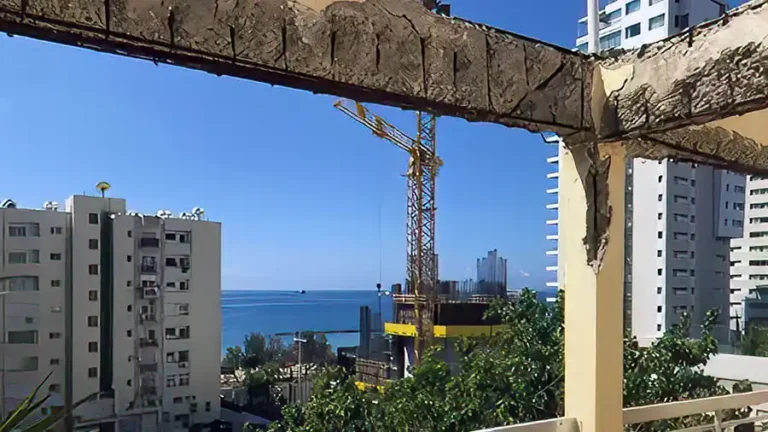
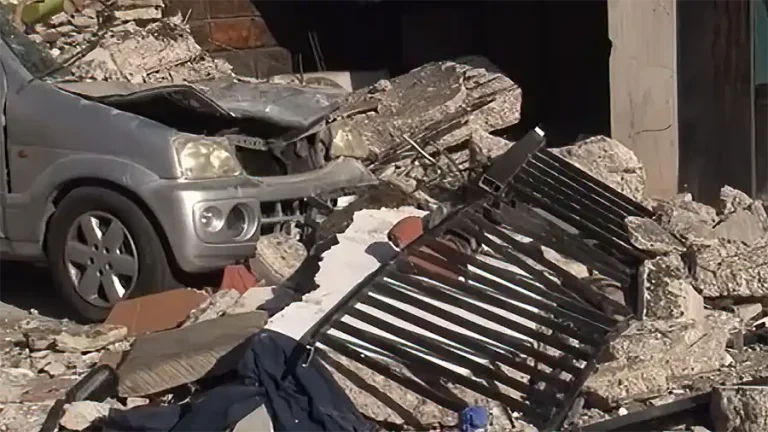
A bill proposed by MP Marinos Mousiouttas suggests cutting off water and electricity to dangerous buildings and stopping owners from renting them out.

If owners ignore safety warnings, authorities would be allowed to enter these buildings and take action to remove risks. Owners who fail to comply could face fines of up to €40,000 or up to two years in prison.

Many local councils are unwilling to take on this responsibility because owners often refuse to pay for necessary repairs. According to government officials, this forces councils to cover costs and then try to recover the money spent on making structures safe.

Proposed law

The proposed law allows authorities to issue fines of up to €40,000 and order buildings facing the threat of collapse to be evacuated.

When a building is identified as being in a dangerous condition, officials must inform the owner and explain the reasons. The owner is then given a deadline to hire an engineer to assess the risks and suggest repairs.

Under the plan, owners have 30 days to submit their response in writing. If they fail to act, authorities can issue fines and arrange the necessary work. This may include making repairs, demolishing, or fencing off the building.

The costs of these works would then be registered as a charge against the affected property with the District Land Registry Office. This would prevent its owner selling the building without first paying the debt.

Parliament is expected to discuss the bill in the coming weeks as officials try to find a fair way to handle dangerous buildings across the island.
Desalination units to mitigate Cyprus water crisis

Cyprus is experiencing its worst water crisis since 2008 when the government was forced to import water from Greece by tanker. In response, the island is rapidly expanding its desalination capacity through floating and land-based units.

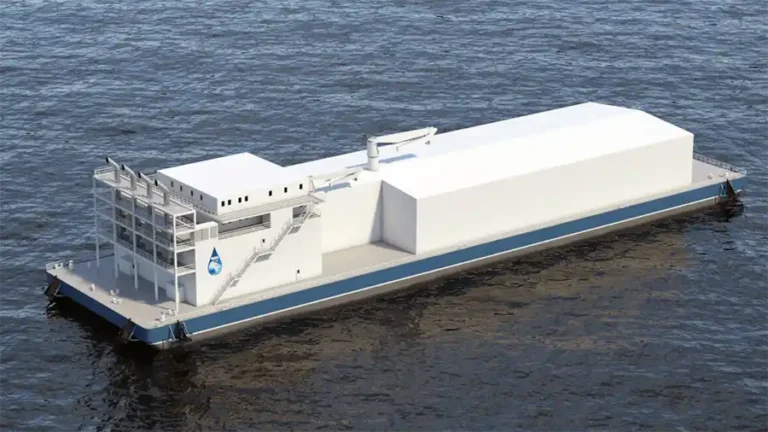
To ensure adequate water supply for domestic and agricultural use, authorities are accelerating efforts to expand the island’s desalination infrastructure. Plans are underway to install permanent, mobile, floating, and land-based desalination units to meet the country’s growing need for drinking water by 2026 and beyond.

Proposals for desalination units

The Water Development Department (WDD) has received proposals from 53 entities interested in developing floating desalination units at strategic coastal locations.

These units offer flexibility, rapid deployment, and lower installation costs compared to land-based alternatives.

The evaluation process is at an advanced stage, with 13 proposals currently under review. These proposals, from Cyprus, Greece, Israel, Italy, Norway, and Spain, could see desalination units installed within six months, with production capacities ranging from 1,000 to 20,000 cubic metres per day.

A further 40 proposals, requiring between 10 and 24 months for implementation, come from additional countries, including Belgium, Germany, France, Malta, China, the UAE, Saudi Arabia, and Bahrain.

Expansion of existing unit capacity

Existing desalination facilities in Dhekelia, Limassol, Paphos, and Vasilikos may also see capacity expansions through temporary desalination units. Initial assessments indicate that Paphos and Episkopi will be prioritised due to current supply shortfalls. A temporary desalination unit producing 10,000 cubic metres of water per day is planned at these locations.

The proposal evaluation process is time-intensive, requiring thorough review to ensure effective and cost-efficient solutions. Each project must meet strict technical, environmental, and financial viability criteria. Additionally, implementing some proposals may require infrastructure development and licensing approvals.

In response to the crisis, the Ministry of Agriculture has directed the WDD to initiate a public consultation and seek expressions of interest for installing and operating floating or land-based mobile desalination units. If legally permissible, the department aims to negotiate directly with suppliers to expedite implementation.

Agriculture Minister Maria Panayiotou has acknowledged that Paphos and Limassol will be the first cities to feel the effects of the drought. She admitted that while past mistakes have contributed to the crisis, significant efforts are being made to address the issue. Key measures include mobile desalination units, expanding existing facilities, using boreholes, and constructing two permanent desalination plants powered by renewable energy.

The crisis stems from three consecutive years of drought, outdated water infrastructure with significant losses, over-reliance on reservoirs for drinking water, and a fire at the Paphos desalination plant. The government is working with key agencies to expedite water security measures and ensure swift implementation of emergency actions.

New high-rise project in Limassol gets green light

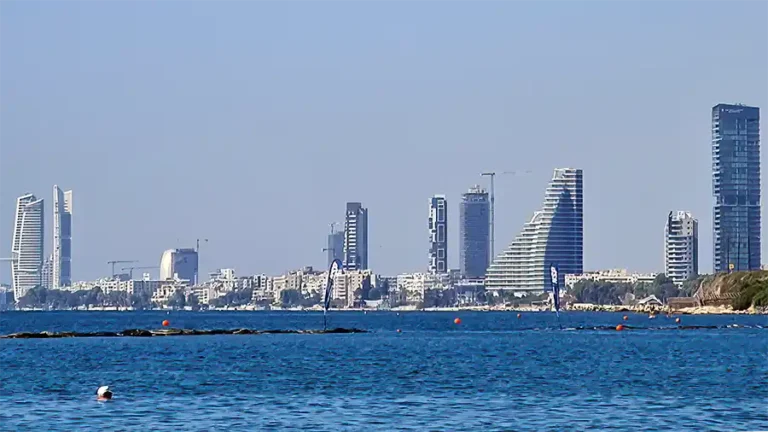
A new high-rise project along the Limassol coastline valued at €22 million has been given the green light by the Environment Department.

The proposed building, developed by P.G. Economides Properties Ltd, will reach a height of 87 metres and will serve as a mixed-use office and commercial space.

According to the architectural plans, the development will consist of a ground floor, a mezzanine, a rooftop garden, two basement levels, and 18 storeys. The total coverage area is expected to be 1,250 square metres, while the built-up area will amount to 8,271.78 square metres.

The project will incorporate 146 parking spaces, with seven specifically designated for persons with disabilities. These spaces will be distributed across the two basement levels, the ground floor, and the first level. Additionally, provisions have been made for sustainable transport options, with 20 bicycle parking spaces and 15 designated for motorcycles.

The estimated completion timeline for the project is set at 28 months from the date all necessary permits are secured.

The building is strategically located within an area that features a combination of residential and mixed-use developments, including office spaces, commercial establishments, and dining venues. To the east, the site borders a mixed-use development that includes both residential units and office spaces. To the west, it is adjacent to other mixed-use buildings that house both residential and commercial units.

A key geographical feature in the vicinity is the Vathias River, which flows less than 77 metres east of the proposed development site.

The broader area surrounding the project, particularly along the coastal avenue, is characterised by a high concentration of tourism-related developments, including hotels, resorts, and restaurants. Moving further north from the site, the landscape transitions into primarily residential developments, interspersed with a few mixed-use commercial buildings.

Additionally, the well-known Griva Digeni Avenue is situated 68 metres west of the development site, providing convenient access to key areas of the city. A notable landmark in the vicinity is the Oval building, which is positioned 120 metres further west.

Cyprus property market on brink of “golden” era?

The Cypriot property market remains resilient and is poised for a “golden era,” according to industry experts at the 19th Property Development & Construction Conference and Exhibition.

The round-table discussion, titled “Cyprus Real Estate 2025 – How are values fluctuating and Expectations for the Future?” explored the sector’s stability, investment trends, and growth prospects.

Market stability and challenges

Kikis Athinodorou, Director of Kikis Athinodorou & Associates LLC, described the market as stable but raised concerns about a 5% capitalisation issue, where older buildings are left unsold.

He stressed the need for maintenance investments to sustain property value and called for a broader approach beyond student accommodation.

Need for speed and flexibility

Markos Christodoulou, Managing Director of IKIA RESIDENCE, acknowledged large-scale development projects but urged caution, particularly regarding permanent residency permits.

He noted that investment applications under this scheme had declined, and political forces must collaborate to address this. He cited Malta’s political efficiency as a model Cyprus could follow to attract foreign businesses.

Continued market growth

Georgios Chrysochos, Director of Cyfield Group, highlighted differences between local and foreign property demand. Local buyers benefit from economic stability and favourable interest rates, while foreign demand remains robust.

However, supply is not increasing at the required pace. He also criticised public project delays, arguing that contractor failures are not always to blame and called for greater independence among engineers overseeing public works.

The “Golden Era” of real estate

Petros Lazarou, CEO of G&P Lazarou Estate Agents Ltd, predicted a “golden era” for Cypriot real estate, driven by the country’s emergence as an energy hub. With the EU moving away from Russian gas, Cyprus’ maritime zones are becoming strategically significant.

He noted that strong corporations are now acquiring and reintegrating properties previously tied to non-performing loans (NPLs), further boosting the sector.

Larnaca’s positive trends

Panikos Livadhiotis, Managing Director of L. Livadhiotis & Sons Property Developers, highlighted Larnaca’s strong market performance due to sustainable banking practices.

Developers and buyers are proceeding without excessive reliance on financing.

He also noted a decline in high-rise buildings in favour of smaller, more manageable structures and emphasised the role of artificial intelligence in enhancing communication and efficiency.

Globalisation and future prospects

Pantelis Leptos, Co-President of Leptos Group, discussed the pandemic’s role in accelerating real estate globalisation. He pointed out that Cyprus has become attractive to digital nomads and remote workers.

He projected GDP growth from €35 billion to €50 billion if Cyprus prioritises sustainability, digital transformation, and talent attraction.

The discussion, which was moderated by Yiannis Misirlis, President of the Cyprus Property Developers Association, reinforced confidence in Cyprus’ real estate sector, with experts predicting continued growth and transformation.

Cyprus dealing with the housing crisis and affordability

The Cyprus government is taking action to ease the housing crisis, according to Interior Minister Konstantinos Ioannou.

He highlighted a 44.4% rise in building permits for residential units in the first half of 2024. This, along with a small drop in construction material costs, is helping to improve the housing market, which had struggled in recent years.

Speaking at a property development conference in Nicosia, Ioannou explained the government’s housing policy, which focuses on increasing the number of homes available and making them more affordable. The plan, called ‘Housing My Future’, aims to lower prices by increasing supply and helping young people and families buy homes.

Although house prices and rents have been rising, the Central Bank of Cyprus reports that the increase is slowing down, suggesting a more balanced market. Ioannou believes that building more homes will further stabilise prices.

To boost construction, the government has introduced urban planning incentives and the “Build to Rent” scheme. These allow developers to build more residential properties in exchange for offering some of them at affordable prices. Specifically, all homes built under “Build to Rent” must be rented at lower rates. Meanwhile, the urban incentives scheme requires 20% of extra residential units to be sold at affordable prices, while 25% can be sold at market rates.

The minister expressed satisfaction that developers are supporting these initiatives. Based on current agreements, over 1,900 new residential units will be built, with nearly 300 added to the affordable housing market. Additionally, the government expects to raise €8.7 million for the Affordable Housing Fund.

However, Ioannou acknowledged past delays in issuing building permits, which worsened when local government reforms transferred responsibility to regional authorities in July 2024. He attributed the issue to the complexity of the changes and inadequate preparation.

To address this, the government has reassigned 24% more staff to building permit application processing and approved 354 new permanent positions for regional offices. As a result, the number of processed applications has increased, but further improvements are needed.

The government is also reforming the approval process for residential developments to reduce bureaucracy and speed up permits for low and medium-risk projects, which make up about half of all applications.

Additionally, the government plans to remove restrictions on apartment types in tourist zones and reduce the minimum apartment size by 15% in designated residential areas. These changes aim to encourage more housing development and make homes more accessible to the public.

Cyprus’ jointly-owned buildings: law delays and safety concerns

The management of jointly-owned buildings in Cyprus is chaotic, which has resulted in disputes among property owners and the lack of maintenance of thousands of buildings.

To address this issue, the Land Registry referred the matter to the Commissioner of Legislation, who then passed it to the Ministry of Interior. A new law is being prepared to regulate jointly-owned buildings, but delays have slowed its progress.

New jointly-owned building law delay

Vasos Yazos, head of the Land Registry’s ownership division, responded to criticism over the slow progress of the bill. He explained that the draft law was with the Commissioner of Legislation for final adjustments. However, he could not give a clear timeline for when it would be submitted to Parliament for approval.

“I cannot commit to a date for the bill’s completion because many opinions and suggestions have been submitted. We have incorporated several of them before sending it for final review,” he said.

He also noted that due to the large number of changes proposed, it was impossible to prepare and submit the draft bill to Parliament by the planned 16 January deadline.

Bill now with the Ministry of Interior

The Ministry of Interior will review the revised bill before sending it to Parliament for discussion and approval. Yazos explained that the Ministry received two separate documents – one outlining the changes made based on feedback from interested parties, and the other being the full bill – to help assess the modifications.

The proposed law aims to improve the management of jointly-owned buildings and end the current chaos, which leads to frequent disputes between property owners and results in thousands of buildings unmaintained. The bill was first submitted to the Parliamentary Committee on Internal Affairs about a year ago, but further improvements were requested.

Safety risks: dangerous balconies and unpaid expenses

Christos Kyzis, president of the Cyprus Association of Condominium Managers, highlighted major problems caused by the current law. He explained that it does not provide the necessary tools to collect payments from owners who refuse to contribute to common expenses. This results in financial shortages that create serious issues in building maintenance.

“Lifts cannot be maintained, meaning people with mobility problems are stuck in their apartments. Unpaid electricity bills also affect all residents of a building,” he said.

However, Kyzis warned that the most serious problem is the unsafe condition of many balconies, some of which are in danger of collapsing. “It’s a miracle that there haven’t been any casualties so far,” he added.

(Several balconies have collapsed in recent years and last December the Limassol municipality warned that 400 buildings needed urgent repairs.)

He also criticised the Ministry of Interior for not doing enough to speed up the bill’s progress. He urged the government to push for its approval so that local authorities can start enforcing the new law.

Urgent action on jointly-owned buildings needed

According to data presented to Parliament, Cyprus has around 30,000 jointly-owned buildings, which contain approximately 200,000 apartments. Many of these buildings are in poor condition due to a lack of clear regulations. The delays in the new law mean that problems like unpaid fees, lack of maintenance, and safety risks continue to affect thousands of residents.

Urgent action is needed to finalise and approve the legislation to ensure proper building management and improve safety for all residents.