

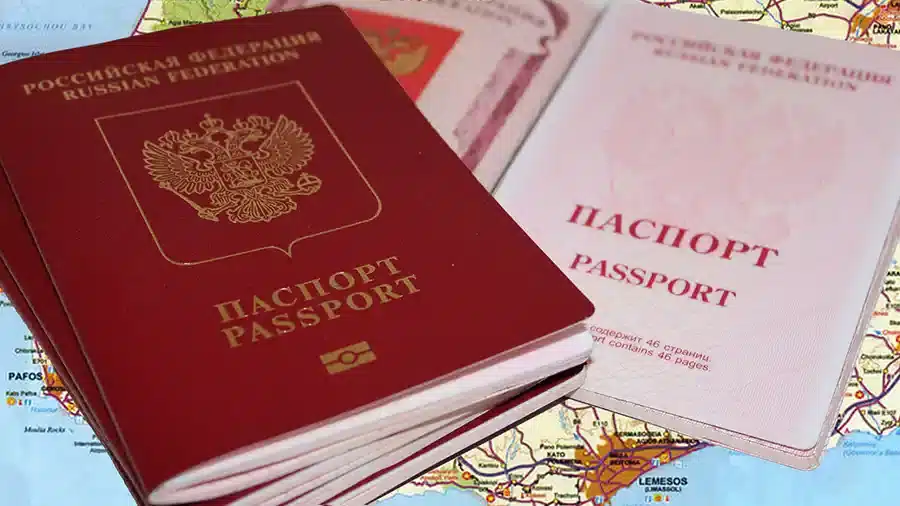
Russian property buyers remained the largest group of foreign residential purchasers in Cyprus during 2025, accounting for 51 per cent of overseas home sales, according to a report published by Russian business magazine Business Petersburg.
Despite European sanctions and tighter banking compliance rules, Russian property buyers in Cyprus continue to view the island as one of Europe’s most attractive real estate markets. Cyprus’ European Union membership, favourable tax framework, permanent residence scheme and established Russian-speaking community remain key attractions for investors.
Why Russian property buyers continue to choose Cyprus
The report says Russian buyers are primarily purchasing property to preserve wealth, relocate businesses, particularly technology companies, and secure permanent residence within the European Union.
Demand is strongest for newly built homes priced between €500,000 and €1.5 million, with Limassol, Larnaca and Paphos continuing to rank as the most popular destinations for foreign investment.
Another major draw is Cyprus’ permanent residence programme, which allows eligible non-EU nationals to apply for residency through the purchase of a newly built property worth at least €300,000.
These incentives continue to support the Cyprus property market, even as geopolitical and financial challenges persist.
Stricter banking checks slow Cyprus property transactions
While demand remains strong, Russian buyers continue to face longer transaction times because of enhanced compliance procedures introduced by Cypriot banks following sanctions on Russia.
According to the report, property purchases can now take between three and six months to complete as banks carry out detailed due diligence and source-of-funds checks before approving transactions.
Although these measures have increased processing times, they have not significantly reduced interest in Cyprus real estate among Russian investors.
Republic of Cyprus remains the safer investment choice
The report also examined the property market in the north of Cyprus, where lower prices and flexible payment plans have attracted some Russian buyers.
However, it warns that the territory’s lack of international recognition and continuing property ownership disputes create significant legal and investment risks. Investors are advised to exercise particular caution when considering properties built on land that may be subject to ownership claims by displaced Greek Cypriots.
Despite identifying opportunities in the north, the report concludes that the Republic of Cyprus remains the safest option for overseas investors seeking legal certainty, access to the European market and a stable long-term investment environment.
