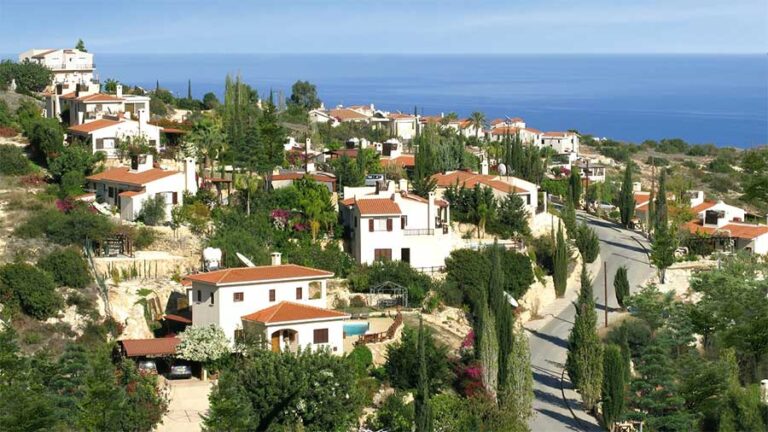
Government launches fast-track building licence process

The government has introduced a fast-track process for issuing building licences for certain residential units, aiming to cut bureaucracy and promote home ownership, which it announced in January.

Interior Minister Constantinos Ioannou detailed the new system, which significantly reduces the time for obtaining a final building permit to 40 working days – 20 days for a town planning permit and 20 for a building permit.

The fast-track system applies to single dwellings and duplex houses classified as ‘low risk,’ meaning they are on registered land or land in the process of being registered. This initiative, which began last October, is expected to ease the burden on local government offices, allowing them to focus on construction inspections.

Building licence application

Applications must be submitted through the ‘Ippodamos‘ electronic licensing system by architects, who are responsible for the accuracy of the information provided. If a local authority does not reject an application within 20 days, the permit will be automatically issued on the 21st day.

The new process finalizes the government’s licensing reforms, with single dwellings and duplexes accounting for 30% of applications. Since October, 332 licence applications have been submitted, with 242 processed and 223 approved, while 26 were rejected. The remaining applications are still within the 20-day processing window.

Starting in March, the fast-track process will extend to ‘medium-risk’ developments, including up to 12 houses in a row or four-story buildings with up to 20 apartments. These permits will be processed within 80 working days.

Self-monitoring & on-site checks to ensure compliance

The system introduces ‘self-monitoring’ by architects and ‘on-site checks’ by designated building inspectors, ensuring compliance through inspections at three key construction stages. In collaboration with the scientific and technical chamber (ETEK), the ministry is drafting regulations for building inspectors. Until the regulations are finalized, ETEK will provide a temporary list of qualified inspectors.

Ioannou emphasized that these reforms will help increase housing availability, making home ownership more accessible, particularly for young families. However, issues remain with the ‘Ippodamos’ system, which was launched in July 2024, including slow processing speeds and architectural limitations.
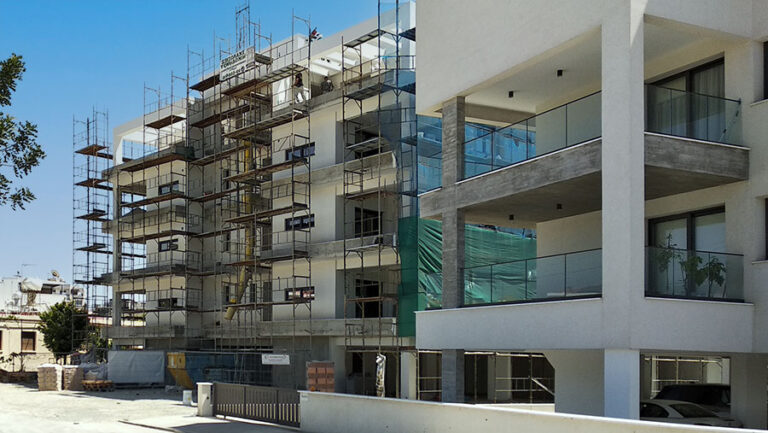
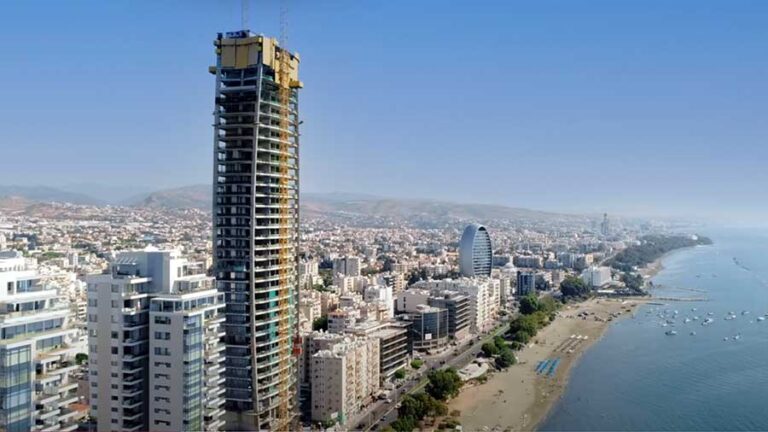
Cyprus property sales get off to a flying start (update)

The Cyprus property market has got off to a flying start in 2025, as property sales contracts deposited at Land Registry offices surged by 21% in January compared to the same period in 2024, according to official figures from the Department of Lands & Surveys.

All districts have experienced growth, with Famagusta leading the way with a remarkable 40% increase in sales. Limassol followed closely, recording a 36% rise. Larnaca also saw a strong 20% growth, while Nicosia registered a 13% increase. Paphos, though experiencing the smallest rise, still recorded a 5% rise in the number of contracts deposited.

This surge in property sales reflects growing investor confidence and sustained demand for real estate across Cyprus. The robust start to the year suggests positive market dynamics, driven by factors such as economic stability, foreign investment, and local demand.

Limassol, known as a business and financial hub, continues to attract buyers, while Famagusta’s rise indicates renewed interest in its coastal properties. Larnaca’s ongoing infrastructure developments may have contributed to its growth, and Nicosia remains a stable market due to its role as the capital.

The positive trend in property transactions indicates a thriving real estate sector, setting an optimistic tone for 2025. If this momentum continues, Cyprus could experience another strong year in property sales, reinforcing its position as an attractive destination for both local and international buyers.

However, MPs have raised concerns that the number of foreign buyers has resulted in rising property prices, which impact local buyers, particularly young couples looking for homes.

While EU countries generally permit foreign property ownership, many impose restrictions.

For example, Finland is considering stricter regulations for national security reasons, Greece requires special permits for purchases in border areas, and the UK maintains safeguards relating to taxation and anti-money laundering measures. Also, Spain is considering new measures to tackle its housing crisis, including a sharp increase in property taxes for non-EU citizens. This could double the tax on properties bought by people from outside the EU.

Total contracts of sale deposited – 2024/2025 Comparison (January)

Market segment analysis

Property Sales to the Domestic (Cypriot) Market

In January 2025, property sales to the domestic (Cypriot) market increased by 27% compared to January 2024, accounting for 60% of total sales for the month.

Sales saw significant growth across all districts:

  • Limassol: +50%
  • Larnaca: +22%
  • Nicosia: +18%
  • Famagusta: +10%
  • Paphos: +8%
Domestic contracts of sale deposited – 2024/2025 Comparison (January)

Property Sales to the Overseas Market

Total property sales to the overseas market, including both EU and non-EU buyers, rose by 12% in January 2025 compared to January 2024. Sales increased across all districts except for Nicosia, where they declined by 10%.

District sales growth:

  • Famagusta: +74%
  • Larnaca: +18%
  • Limassol: +16%
  • Paphos: +5%
Overseas contracts of sale deposited – 2024/2025 Comparison (January)

Property Sales to EU Citizens

Sales to EU nationals surged by 44% year-on-year, making up 13% of total transactions for the month. Sales increased in all districts except Larnaca, where they fell by 15%. Notably:

  • Famagusta: Sales skyrocketed by 533%, from just 3 transactions in January 2024 to 19 in January 2025.
  • Paphos: +81%
  • Nicosia: +21%
  • Limassol: +13%
Contracts deposited by EU Nationals – 2024/2025 Comparison (January)

Property Sales to Non-EU Citizens

Sales to non-EU buyers saw a modest 1% increase compared to January 2024 but still accounted for 27% of total sales.

Despite falls in:

  • Nicosia -27%
  • Paphos -15%
  • Famagusta -14%

These falls were offset by gains in:

  • Larnaca +27%
  • Limassol +17%
Contracts deposited by non-EU Nationals – 2024/2025 Comparison (January)

Overseas Market Preferences in 2025

An analysis of January 2025 property sales highlights that foreign buyers continue to dominate the Paphos market, where non-Cypriot buyers accounted for nearly 75% of total property transactions in the district.

Market Segment Summary Analysis 2025 (January)

Cyprus property market experiences varied trends

The latest Ask Wire Index for Q4 2024 highlights a mixed performance in the Cyprus property market as apartment sale and rental values continued to grow, supported by sustained demand and a strong tourism sector.

However, other property categories, including warehouses, retail spaces, and offices, experienced declines, reflecting shifting market dynamics.

While new housing supply is helping to ease pressure on residential prices and rents, challenges such as high mortgage rates and rising construction costs remain. Overall, the market is stabilising, with emerging opportunities in tourism-driven and locally sustained segments.

Property sale trends

The Q4 2024 Index highlights varied trends in property values across Cyprus. Annual sale price changes indicate growth in specific segments, with apartment values increasing by 1.3% and holiday apartments by 0.9%. However, other real estate categories recorded declines:

  • Warehouses: -2.3%
  • Retail spaces: -1.7%
  • Houses: -0.3%
  • Offices: -0.2%
  • Holiday villas: -0.6%

Quarterly changes also reflected shifting market dynamics. Apartment prices rose by 0.6%, while house and office prices increased by 0.2%. In contrast, retail space values dropped by 0.9%, warehouses by 0.5%, and holiday villas by 0.2%. Holiday apartment prices remained stable. On a district level, prices declined across Cyprus, with Larnaca proving to be the most stable.

Rental market trends

Rental values presented a similarly mixed picture. Compared to Q4 2023:

  • Apartment rental values rose by 1.5%, and holiday apartments by 1.1%, reflecting sustained demand.
  • Warehouse and retail rents fell by 2.0%, house rents by 0.8%, and office rents by 0.6%.
  • Holiday house rental values remained unchanged.

On a quarterly basis, rents for holiday apartments increased by 1.1% and apartments by 0.2%, while rents for houses, warehouses, and offices remained stable. Across districts, rental values were mostly unchanged, except for Nicosia and Limassol, where apartment rents saw notable declines. In contrast, Paphos recorded an almost 5% increase in apartment rental values.

Property market outlook

Pavlos Loizou, CEO of Ask Wire, commented: “The Q4 2024 Ask Wire Index reflects a market in transition, balancing strong fundamentals with evolving dynamics. Demand for apartments remains healthy, supported by resilience in tourism, which is set for a record year in 2025. New housing supply is beginning to ease pressure on residential prices and rents, offering relief to a market that has faced rapid growth in recent years.

“While challenges like high mortgage rates and elevated construction costs persist, they are tempering demand selectively rather than broadly. Overall, the market is stabilizing, with opportunities emerging in segments driven by both tourism and sustained local demand.”

Property Type Prices Rents
Apartments 0.6% 0.2%
Houses 0.2% 0.0%
Commercial -0.9% -1.3%
Warehouses -0.5% 0.0%
Office spaces 0.2% 0.0%
Holiday apartments 0.0% 1.1%
Holiday houses -0.2% 0.0%
Source: Ask WiRE – Across Cyprus: Quarterly percentage change in property values (Q3 2024 with Q4 2024)
Property Type Prices Rents
Apartments 1.3% 1.5%
Houses -0.3% -0.8%
Commercial -1.7% -2.0%
Warehouses -2.3% -2.0%
Office spaces -0.2% -0.6%
Holiday apartments 0.9% 1.1%
Holiday houses -0.6% 0.0%
Source: Ask WiRE – Across Cyprus: Annual percentage change in property values (Q4 2023 with Q4 2024)

Further Reading

Ask Wire Index: Q4 2024 press release.

Architects urge stricter regulations on tourist developments

The Cyprus Architects’ Association (SAK) has called for tighter regulations and immediate amendments to legislation governing the establishment and operation of tourist facilities across the island.

This appeal follows concerns expressed by MPs over unchecked investments by foreign individuals and corporations, particularly in the Paphos district, as well as in Famagusta, Limassol, and Larnaca. Lawmakers have highlighted the increasing number of developments that proceed without proper oversight, raising serious environmental and social concerns.

SAK’s intervention was prompted by reports regarding the construction of a hotel in the Paphos region – understood to be an investment by the Israeli Fattal Group in Latsi – which has been linked to multiple legal breaches. The association pointed to a broader pattern of tourism-related developments proceeding without the necessary permits, in direct violation of urban planning and environmental regulations.

The architects warned that unchecked development pressure, coupled with significant delays in issuing permits and insufficient on-site supervision, has fostered unsustainable practices with severe and potentially irreversible environmental and social repercussions.

Unregulated expansion not only poses a threat to the natural landscape but also diminishes residents’ quality of life, placing strain on local infrastructure and resources. Furthermore, SAK noted that such developments could compromise the safety of both workers and visitors, creating hazardous conditions due to the lack of proper oversight.

To address these issues, the association has called for rigorous and systematic compliance checks on planning and environmental regulations. It stressed the need for streamlining approval processes, enhancing the role of local authorities in decision-making, and ensuring that all stakeholders receive proper training in sustainable development practices.

Additionally, SAK has advocated for long-term policies aimed at achieving balanced tourism growth. This includes the promotion of green certification initiatives, encouraging developers to adopt environmentally responsible practices that align with international sustainability standards. By implementing such measures, Cyprus can foster a more sustainable tourism sector that safeguards both the environment and local communities.

The Architects Association urged policymakers to take immediate action, warning that failure to enforce stricter controls would exacerbate existing issues and lead to long-term damage. SAK emphasised that a well-regulated tourism sector is vital not only for the preservation of Cyprus’ natural beauty but also for the well-being of its residents and the overall economic stability of the island.

Foreign buyers dominate property sales in Paphos

Foreign buyers have played a dominant role in the Cyprus property market since 2015, with the coastal city of Paphos emerging as the most sought-after location.

According to government data released on Wednesday, 83% of property sales in Paphos were made to non-Cypriots.

Figures provided by the Interior Ministry to Parliament reveal that in 2015, 75.86% of property sales in Paphos were made to non-EU nationals, while 6.87% were purchased by EU citizens, leaving just 17% for Cypriot buyers. This trend persisted into 2016, with foreign buyers accounting for 80.94% of transactions, comprising 72.11% non-EU nationals and 8.83% EU citizens.

The data was released in response to questions from AKEL MP George Koukoumas. However, the figures exclude properties purchased by foreign companies, meaning the actual proportion of foreign ownership could be even higher.

Across Cyprus, between January 2015 and December 2024, there were 101,911 sale agreements, of which 62,935 were completed. Additionally, 3,846 out of 12,110 assignment contracts were executed during the same period. These figures highlight the scale of property transactions over the past decade.

Despite the sharp rise in foreign property purchases, Cypriots still hold the vast majority of real estate value on the island. Based on 2021 valuations, Cypriots own 96.73% of all property value. However, officials note that recent foreign investments often involve high-value properties, particularly in coastal and tourist-heavy areas.

Regional data indicates significant variations in foreign ownership across Cyprus. Paphos leads with 8.14% of its property held by foreign buyers, followed by Larnaca at 6.18%, Famagusta at 5.85%, Limassol at 3.90%, and Nicosia at just 1.5%. These figures suggest that foreign interest is concentrated mainly in coastal regions, which are more attractive to international investors.

The Interior Ministry also acknowledged the limitations of the available data, stating that the figures only account for purchases made by individual buyers. Reliable data on corporate property ownership was unavailable, meaning the actual extent of foreign investment in Cyprus’s property market could be underestimated.

The increasing role of foreign buyers in Cyprus’ real estate sector, particularly in high-value transactions, continues to shape the market, raising questions about accessibility for local buyers and the long-term impact on property prices.

Changes to non-EU citizens acquiring property through companies

Although EU citizens are permitted to buy as much and as many properties as they wish in Cyprus, third country nationals, i.e. citizens of non-EU countries, are limited in what they may purchase (see buying property in Cyprus and visiting post Brexit.)

The restrictions on foreigners buying property in Cyprus date back to the Acquisition of Immovable Property (Aliens) Law, Chapter 109, which has existed in various forms for decades. However, key changes occurred at different times:

  • Pre-EU Membership (Before 2004): Strict controls were in place for all foreign buyers, including EU citizens.
  • Post-EU Accession (2004): Cyprus lifted restrictions for EU citizens, but non-EU citizens remained subject to limitations, including the need for government approval and limits on land size and use.

As I wrote in the article, despite these restrictions Brits and other non-EU citizens wishing to buy more property than permitted under the law may do so by forming a limited company, which may purchase any size and any number of properties.

Non-EU citizens companies purchasing property issues

However, non-EU citizens buying property through companies has resulted in rising property prices, which impact local buyers, particularly young couples looking for homes.

The issue was debated in Parliament yesterday as the House Interior Committee examined proposed legislation by Famagusta DISY MP Nikos Georgiou, aimed at modernising property acquisition rules for foreign buyers.

Emphasizing the scale of the issue, Nikos Georgiou noted that “during the first ten months of 2024, 40% of the sales contracts filed with the Land Registry were for foreign buyers.”

However, he clarified that “the actual figure is significantly higher, as companies with foreign shareholders registered in Cyprus are classified as Cypriot entities.”

He also highlighted that “the urban centres of many cities in Cyprus have become financially out of reach for the average Cypriot, while property and land are swiftly being acquired by wealthy foreign nationals.”

The proposed amendments would introduce new due diligence requirements, obliging lawyers, accountants, and estate agents to verify the backgrounds of foreign buyers, in line with anti-money laundering regulations.

Senior officials from the Interior Ministry, Land Registry, Ministry of Finance, Law Office, and the Registrar of Companies attended the committee meeting to discuss concerns about the law’s effectiveness.

Recent cases highlight gaps in the current system. The two sons of Simon Mistriel Aykut, who is wanted for property usurpation in occupied Cyprus, had acquired assets worth €1.2 million in the Republic, including several properties in Larnaca and Nicosia, through a company before authorities froze the assets.

While EU countries generally permit foreign property ownership, many impose restrictions.

For example, Finland is considering stricter regulations for national security reasons, Greece requires special permits for purchases in border areas, and the UK maintains safeguards relating to taxation and anti-money laundering measures.