Plans approved for high-rise in Limassol

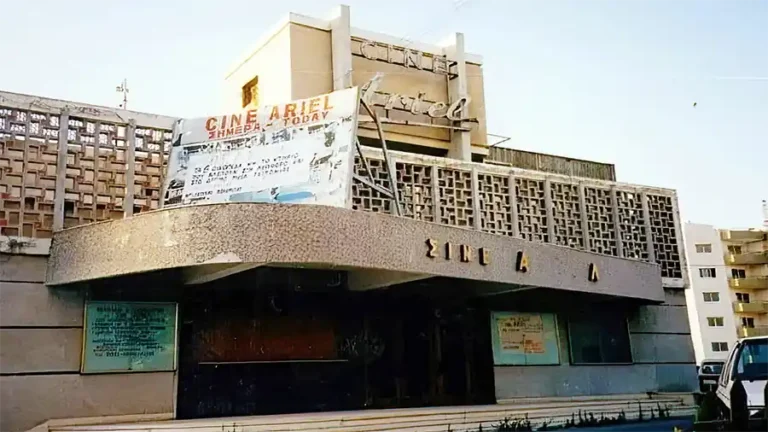
Plans for a high-rise building in the historical “Ariel” area of Limassol have been approved by the Environmental Authority.

The €45 million mixed-use development, headed by a businessman of Armenian origin and his company Pandigi Ltd, will rise to a height of approximately 90.8 metres and transform a site historically linked to the Ariel Cinema and which currently houses a carpet shop and parking facilities.

The project will cover roughly 30% of the 4,061-square-metre plot, leaving the remaining space landscaped. The design incorporates an existing cypress tree, while younger vegetation on the northern side of the site will be replaced.

Designed by the architectural firm Panos Panayiotou and Associates, the development will span approximately 11,000 square metres of built area, offering a blend of retail, office, and residential spaces.

The layout includes retail spaces and reception areas on the ground floor. The second floor will house a fitness centre with spa facilities, while office spaces will occupy the third to 14th floors. The top levels will provide an events area and three apartments. A roof garden will crown the building, adding a green element to the high-rise design.

The high-rise building will incorporate renewable energy solutions, with solar panels installed on its roof and façade. It will also feature two underground parking levels, accommodating 190 vehicles, including spaces for disabled users.

Construction is expected to take 24 months following permit approval. The project will involve significant excavation and demolition work, with an estimated 15,000 cubic metres of excavation debris and 1,200 cubic metres of demolition waste to be removed. Clearing this material will require approximately 560 truck trips over 40 working days.

This ambitious development aims to rejuvenate a key area of Limassol, blending modern design with sustainable energy features. Its mix of commercial, residential, and recreational spaces is set to enhance the urban landscape while addressing environmental considerations through its energy-efficient systems and landscaping plans.
Building safety inspections bill debate

MPs are preparing to debate a newly proposed bill aimed at enforcing mandatory periodic building inspections and imposing stricter penalties on property owners who fail to maintain building safety. The bill has recently undergone legal review and is expected to be introduced in parliament soon.

According to sources, the draft legislation no longer includes a controversial provision that would have allowed authorities to access the bank accounts of property owners refusing to pay for necessary building support costs. However, it still prohibits the sale of properties with unsettled safety-related debts.

Neither the newly established municipalities nor the District Self-Government Organisations are willing to assume responsibility for managing dangerous buildings. These entities have historically faced financial losses due to property owners’ unwillingness to fund essential repairs.

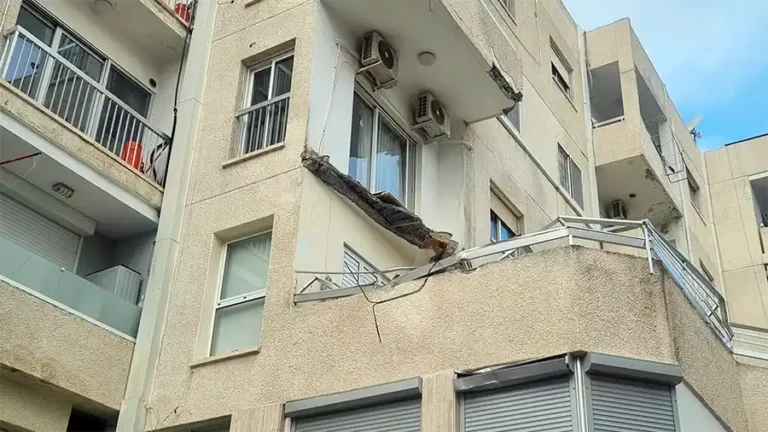
The “Streets and Buildings (Amendment) Law of 2023”, includes recommendations received from the Cyprus Scientific and Technical Chamber (ETEK) following multiple balcony collapses. It mandates regular inspections by qualified engineers registered with ETEK, with inspection intervals ranging from 2 to 20 years, as determined by the Interior Minister. The frequency will depend on building categories and importance levels defined by Eurocodes.

Property owners who fail to comply with safety notices could face penalties of up to one year of imprisonment and/or fines of €20,000 for a first offence. Repeat offences could result in up to two years in prison and fines of €40,000.

Buildings will be classified as dangerous if they exhibit signs of deterioration, structural damage, or modifications that endanger occupants, neighbours, or passers-by. Risk factors include aging, poor maintenance, foundation instability, use of substandard materials, or inadequate fire protection.

The proposed bill is subject to parliamentary debate, where further amendments may be made before it is finalized.

SUNCITY development gets the go ahead

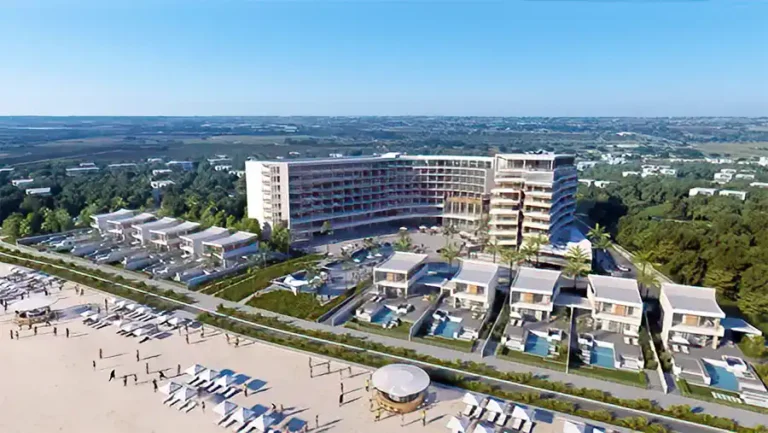
The Administrative Court has ruled in favour of continuing the ‘SUNCITY’ development project within the Sotira Municipality, thereby removing previous barriers to its completion.

The court upheld arguments made by solicitor Simos A. Angelides, representing the applicant company, regarding the legality of revoking a prior Cabinet decision and rejecting certain planning applications.

According to the judgment, the SUNCITY project may now proceed under the sole valid permit, originally issued through a Cabinet decision on 18 January 2023. This permit followed thorough research, departmental studies, and a public consultation process relating to planning permission to amend an existing mixed tourist development on plots 391, 396, and 407.

The court also considered issues surrounding the composition of the Cabinet and the Department of Environment’s stance on the matter. Sotira Municipality had expressed strong support for the project, citing its potential to deliver significant economic benefits to the local community.

This ruling reinstates the planning permission for additions and modifications to the existing mixed tourist development within Sotira Municipality, ensuring the continuation of the SUNCITY project.

SUNCITY background

The SUNCITY project ran into problems in 2020 when it was alleged two extra floors had been built and questions were raised over whether environmental impact assessments were thorough enough.

Trapped buyers property foreclosures paused

On Friday, the Cyprus parliament received assurances from KEDIPES and the Association of Credit Acquisition Companies and Credit Facility Management Companies (SEDP) that foreclosures on properties bought by trapped buyers will be paused for the next two to three months. The Association of Banks is also expected to confirm this decision.

Last Wednesday, the Parliamentary Legal Committee requested this freeze while discussing a bill aimed at solving issues affecting thousands of trapped property buyers. These issues arose after the Supreme Court ruled parts of the 2015 property transfer and mortgage law, Law N. 139(I)/2015, unconstitutional.

The committee asked banks and credit companies to continue the freeze until the new law is passed. KEDIPES and SEDP responded by confirming no repossessions would take place for buyers who had applied to the Land Registry by March or April. However, notifications to trapped buyers will continue, encouraging them to submit any necessary documents proving their legal rights to the properties.

The government, with input from legal experts and other stakeholders, aims to finalise and approve a law to resolve the issuing of separate property titles for trapped buyers. A working group has been preparing the bill, which is expected to be completed soon and sent to Parliament for a vote.

Changes to the trapped buyers law

The bill includes six key changes to existing laws. Its main goal is to allow the Land Registry to cancel prior encumbrances (e.g., mortgages) and transfer property ownership to buyers.

Other amendments include stricter deadlines for submitting and reviewing applications, the requirement for consent from holders of prior charges, and defining a two-year timeline for issuing Title Deeds.

Approximately 4,000 cases will be addressed, benefiting nearly 2,000 trapped buyers. However, banks and companies seek clearer rules on defining when a title cannot be issued. Disputes remain over timelines and which authority will decide the feasibility of issuing titles.

Judgement in favour of Alpha Bank in Swiss Franc loan case overturned

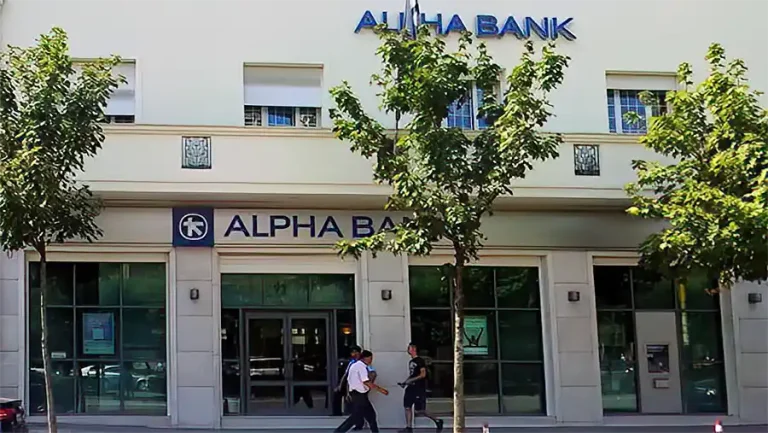
The Supreme Constitutional Court of Cyprus has accepted an appeal by the Cyprus Consumer Protection Service (CCPS) concerning a €250,000 fine imposed on Alpha Bank for unfair practices.

The lower court had previously annulled the fine, but the Supreme Court overturned that decision.

The CCPS had launched an investigation into Alpha Bank after receiving complaints from ten individuals, some of whom had taken out loans in Swiss francs. Although the investigation was based on these complaints, it was conducted independently.

Alpha Bank investigation

The investigation revealed several unfair practices by the bank. These included failing to properly inform customers about currency risks for foreign currency loans, using unclear contract terms, and charging excessive fees (€5 per email and €50 per postal letter) for providing account information. These fees were seen as disproportionately high and potentially discouraging consumers from requesting information necessary to exercise their legal rights.

Other unfair practices included a statement on account summaries limiting disputes over charges to two weeks, without such a condition in the contracts. This was deemed misleading and likely to deter customers from challenging unfair charges. Additionally, the bank used contract clauses stating that agreements complied with all laws, which could mislead customers into believing they could not question the legality of the terms. Lastly, a clause that required all legal actions to be brought exclusively in Cypriot courts was also found to be unfair.

In 2016, the CCPS fined the bank €250,000 and ordered it to stop these practices and prevent their recurrence. Alpha Bank challenged the decision, and the lower court annulled the fine, citing inadequate reasoning about whether the complainants qualified as “consumers” under the law.

Fine reinstated

The Supreme Court found the CCPS’s investigation and reasoning to be thorough and justified, highlighting that the average consumer lacks the expertise to fully understand foreign currency loans. It ruled that the original fine of €250,000 against the Alpha Bank was appropriate and reinstated it, overturning the lower court’s decision and related cost orders.

Building permits in 20 to 40 days for larger projects

The digital platform Ippodamos will be expanded to include building permits for larger developments in March, following its successful use for smaller projects.

The updated system will handle planning and building permits for developments of up to 12 terraced houses or apartment buildings with four floors and up to 20 units. Currently, the system processes applications for up to two terraced houses, with a waiting time of 20 days for each type of permit.

The Ministry of Interior has announced that permits for larger projects will take 40 days to process for each type, as they are more complex. If local government officials do not issue permits within this time, the Ippodamos system will automatically approve them.

Designers must use a checklist system when submitting applications through Ippodamos. The Town Planning Authority, now managed by District Self-Government Organisations, will approve or reject applications within the 40-day period. If permits are automatically approved, designers and local authorities will be responsible for compliance and regular inspections.

Recent figures from the Ministry of Interior show the system is popular for smaller projects. Between 2 October 2024 and 9 January 2025, 254 planning applications were submitted. Of these, 125 were automatically approved after 20 days, 32 were approved by officials, 22 were rejected, and 75 are still pending.

Applicants using the old system can switch to the faster process by cancelling and resubmitting their applications through Hippodamos. The maximum waiting time for both permits under the new system will be 80 days, much shorter than the current process, which often takes several months.