

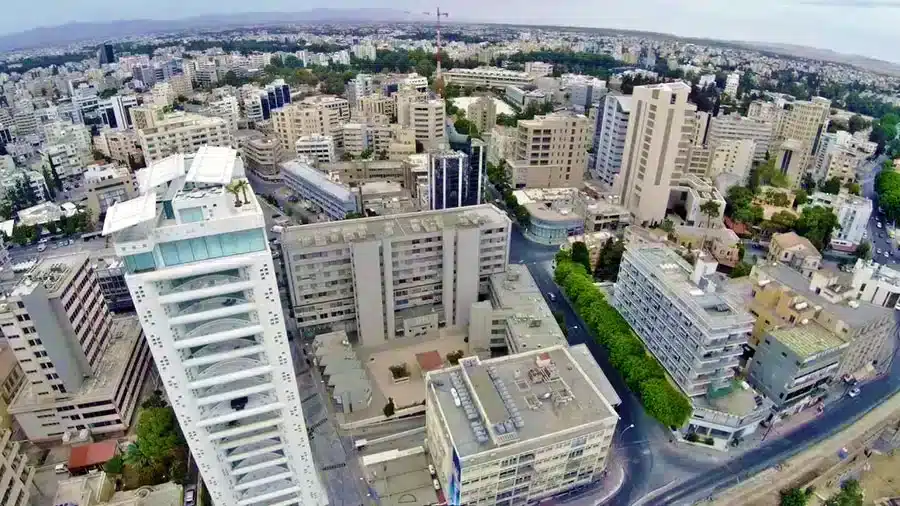
The election of Cyprus’ new House of Representatives marks the beginning of a fresh parliamentary term and presents an opportunity to advance long-awaited reforms that directly affect the daily lives of citizens. Among the most pressing issues is the management of jointly owned residential buildings, which, following developments in recent months, can no longer remain on the legislative back burner.
Jointly owned residential buildings represent a significant proportion of the Cyprus housing stock. Thousands of residents live in apartment blocks and mixed-use developments, many of which are now facing serious maintenance and management challenges.
The absence of a modern and effective regulatory framework continues to create difficulties in both decision-making and the implementation of essential maintenance and repair works. In many cases, inadequate management and weak oversight have contributed to significant building deterioration, with direct implications for resident safety.
Against this backdrop, the proposed Management of Jointly Owned Buildings and Related Matters Law of 2023 should be placed high on the agenda of the new Parliament without further delay.
The need for a modern jointly owned building regulatory framework
The current legislative framework is increasingly unable to meet modern housing needs and market realities. Difficulties in collecting communal charges, the lack of effective enforcement mechanisms, and ongoing problems within management committees have created an environment in which the maintenance and operation of many buildings has become extremely challenging, and in some cases almost impossible.
For this reason, advancing the jointly owned buildings bill should be an immediate priority for the new Parliament. The proposed reform is essential to establishing a more modern, practical and effective management system that safeguards both the smooth operation of jointly owned developments and the safety of residents.
The Cyprus Property Developers Association has highlighted, among other measures, the need for management committees to be established as legal entities. Such a provision would strengthen governance and improve operational efficiency, while enhancing the collection of outstanding communal charges from unit owners. This would help ensure the proper maintenance and protection of communal areas.
The association has also proposed that the original owner or development company should appoint the first management committee for an initial period. This would help ensure professional management from the earliest stages of a development’s operation, while providing sufficient time for all units to be sold and for owners to become acquainted before electing a successor committee at the first general meeting.
Reserve funds could protect property values
Another important proposal is the mandatory establishment of reserve funds by management committees. These funds could serve as a vital financial safeguard for future maintenance requirements, building upgrades and emergency repairs.
By ensuring that resources are available when needed, reserve funds could help prevent further building deterioration caused by a lack of financing. Funding could be generated through annual contributions linked to property values, creating a sustainable mechanism to support long-term maintenance while protecting both building safety and asset values.
Building safety is a matter of public interest
The collapse of a building in Limassol, which tragically claimed two lives, together with the evacuation of jointly owned residential blocks in other parts of Cyprus due to safety concerns, has demonstrated that there is no longer room for delay.
These incidents have also highlighted a critical reality: effective intervention requires continuous monitoring, preventive action and early detection of problems before they escalate. Regular maintenance and proper building management are not luxuries; they are fundamental requirements for preserving the safety, value and long-term sustainability of the country’s housing stock.
At the same time, inspection and monitoring mechanisms must be strengthened to identify structural weaknesses and other risks at an early stage, allowing authorities and stakeholders to take corrective action before problems become irreversible.
Addressing these challenges will require cooperation between all relevant parties, including government, Parliament, local authorities, property professionals and homeowners themselves. What is needed now are decisive actions, modern policies and a clear regulatory framework that enables effective management, maintenance and oversight of jointly owned residential buildings.
The new Parliament has an opportunity to deliver a meaningful reform that directly affects the safety, quality of life and property interests of thousands of citizens. Advancing the jointly owned buildings bill is a matter of public interest and social responsibility that can no longer be postponed.
Savvas Georgiades is Vice President of the Cyprus Property Developers Association.
(Translated from a press release issued by the Cyprus Property Developers Association.)

As I have commented before, new laws are no use without an effective and timely judicial system to back them up. If it can take many years to get a judgment against a non payer, who might still not pay, what happens to a dangerous building in the meantime?