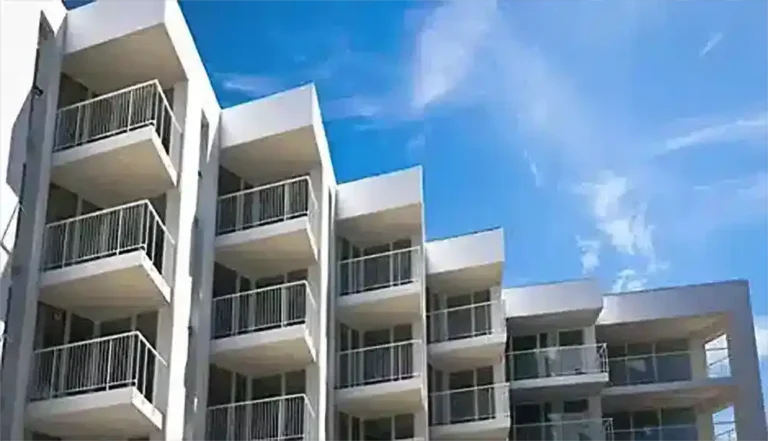
The Management Committee of a Larnaca apartment complex has raised a series of complaints, alleging illegal electricity and water connections, apartments being used without owners’ consent, overcrowded and unauthorised occupation, and threats against committee members.
In a statement dated 2 October, the Committee said its members, as the legal owners of apartments and other premises, were deeply concerned about incidents and conditions they say are taking place in shared and other areas of the buildings.
Among the allegations are that apartments are being occupied under forged, invalid or illegal tenancy agreements, without the consent of their lawful owners. The Committee also claims that third parties are letting out apartments and collecting the rental income without the owners’ permission.
The statement refers to suspected money laundering through the collection of rent by people who are not entitled to receive it, as well as the alleged illegal sale of electricity and water.
The Committee also alleges that electricity is being connected unlawfully, either directly to meters or through external cables running from one apartment to another. It says the Electricity Authority of Cyprus (EAC) inspected the connections and deemed them dangerous.
Other complaints concern alleged illegal connections to the water supply network, water theft, and the supply or sale of water from one meter to other apartments.
Committee members have also received threats, according to the statement. The Committee claims that illegal connections have been restored after being disconnected with the help of the water supply authority and the EAC. It also alleges that some people have shouted at and intimidated residents.
The Committee said it had already filed a police complaint against named individuals, while apartment owners had also made complaints and continued to do so.
Structural checks and building repairs planned
Working with the Larnaca District Local Government Organisation (DLGO), the Committee has appointed a civil engineer and begun laboratory tests to assess the structural condition of the buildings, it said.
It has also taken steps, following recommendations from the DLGO, to protect residents and passers-by from falling render. Repairs and renovations are being planned, according to the statement.
The Committee argues that the alleged unauthorised use of spaces, overcrowding, unapproved occupation and possible interference with shared or private infrastructure raise serious concerns about safety, hygiene, public order and property protection.
It has called on the relevant authorities to investigate the complaints fully and without delay, stop any unlawful activity and prosecute those who, it alleges, are financially exploiting other people’s property or trading in water and electricity.
The Committee is also seeking checks on whether the use and occupation of the buildings is lawful, and on electrical and plumbing connections that it says are removed and then reconnected. It has called for all necessary measures to protect the safety, health and property of lawful owners and residents.
The Committee stressed that the owners’ protest is not directed at any national, racial or religious group. It said the dispute concerns the lawfulness of occupation, safety, the proper management of the buildings and the rights of lawful owners and users.
Translated and adapted from an article published by StockWatch