

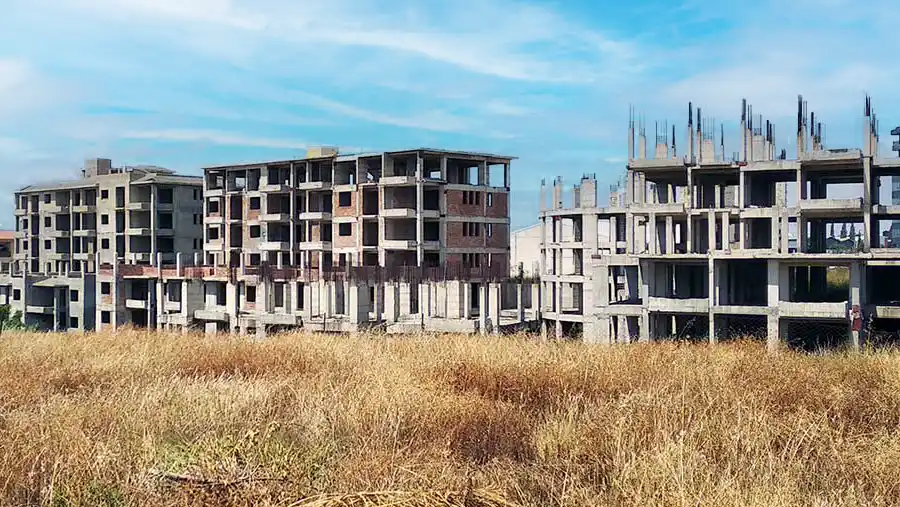
A quiet but significant shift is happening across Cyprus. While most eyes remain on tourism numbers and construction booms, something deeper is underway: more property across the island is being acquired by foreign nationals, often without the level of scrutiny or oversight one might expect from a modern European country.
This is not just about luxury villas or coastal plots, it’s turned into a feeding frenzy with properties ranging from residential flats and seaside homes to plots of land, entire buildings, private hospitals and businesses are falling into foreign hands – unchecked, undocumented, and unchallenged.
And while foreign investment isn’t inherently bad, the scale, speed, and lack of regulation in this case is raising serious concerns.
A property law that time forgot
The law governing property acquisition by foreigners in Cyprus, Chapter 109 of the “Acquisition of Immovable Property (Aliens) Law”, is so outdated it’s practically a relic. It’s barely more than a page and a half long. It was originally drafted to control the flow of non-Cypriots buying property on the island, limiting ownership to a single home, a secondary residence, and a plot of land under specific conditions.
But in practice, this limit is being ignored. Foreign nationals are easily bypassing restrictions by forming Cypriot-registered companies, often with the help of local legal firms, allowing them to purchase unlimited property under the guise of being a “local entity.”
That’s not a loophole, it’s a revolving door!
The numbers are climbing
A significant influx of foreign buyers, particularly from countries outside the EU, has accelerated this trend. Some are moving for safety reasons due to regional instability, others for business or investment opportunities. But either way, the numbers are growing fast.
Entire apartment blocks are being bought. Agricultural land is changing hands. Long-term rentals are disappearing as homes are snapped up for private use or short-term lets.
In some cases, neighbourhoods are being transformed almost overnight.
Where’s the oversight?
What’s troubling is not just the volume of foreign property acquisition, but how little scrutiny is applied. The state requires foreign nationals to apply for permission to buy, but approvals are almost automatic. No criminal background check. No financial due diligence. No consideration of national security, even in sensitive areas.
Astonishingly, Cyprus demands a clean criminal record and vetting process for domestic workers from third countries, yet applies none of the same rigour to foreign nationals purchasing substantial assets and land.
Political ripples, but no action yet
To their credit, some MPs from across the political spectrum have started to speak out. There are legislative proposals in the works that would restore limits, reintroduce proper approval processes, and ensure due diligence is carried out. But so far, these remain only talks on paper.
The executive branch appears largely indifferent. Some officials quietly argue that attracting foreign capital is essential to Cyprus’ post-crisis economic model.
But if foreign ownership continues unchecked, we risk undermining not just housing affordability, but sovereignty and long-term stability.
It’s time to get serious
No-one is suggesting that all foreign investment is harmful. Cyprus has long benefited from international business and multicultural ties. But every country has the right and responsibility to regulate who owns its land, how much, and why.
This is not about xenophobia or economic protectionism. It’s about modern governance, national interest, and future-proofing our communities. Cyprus must update its laws, enforce its rules, and strike a balance between welcoming investment and protecting its people.
The longer Parliament delays action, the more difficult it will become to undo the consequences.
