Russian property buyers remained the largest group of foreign residential purchasers in Cyprus during 2025, accounting for 51 per cent of overseas home sales, according to a report published by Russian business magazine Business Petersburg.
Despite European sanctions and tighter banking compliance rules, Russian property buyers in Cyprus continue to view the island as one of Europe’s most attractive real estate markets. Cyprus’ European Union membership, favourable tax framework, permanent residence scheme and established Russian-speaking community remain key attractions for investors.
Why Russian property buyers continue to choose Cyprus
The report says Russian buyers are primarily purchasing property to preserve wealth, relocate businesses, particularly technology companies, and secure permanent residence within the European Union.
Demand is strongest for newly built homes priced between €500,000 and €1.5 million, with Limassol, Larnaca and Paphos continuing to rank as the most popular destinations for foreign investment.
Another major draw is Cyprus’ permanent residence programme, which allows eligible non-EU nationals to apply for residency through the purchase of a newly built property worth at least €300,000.
These incentives continue to support the Cyprus property market, even as geopolitical and financial challenges persist.
While demand remains strong, Russian buyers continue to face longer transaction times because of enhanced compliance procedures introduced by Cypriot banks following sanctions on Russia.
According to the report, property purchases can now take between three and six months to complete as banks carry out detailed due diligence and source-of-funds checks before approving transactions.
Although these measures have increased processing times, they have not significantly reduced interest in Cyprus real estate among Russian investors.
Republic of Cyprus remains the safer investment choice
The report also examined the property market in the north of Cyprus, where lower prices and flexible payment plans have attracted some Russian buyers.
However, it warns that the territory’s lack of international recognition and continuing property ownership disputes create significant legal and investment risks. Investors are advised to exercise particular caution when considering properties built on land that may be subject to ownership claims by displaced Greek Cypriots.
Despite identifying opportunities in the north, the report concludes that the Republic of Cyprus remains the safest option for overseas investors seeking legal certainty, access to the European market and a stable long-term investment environment.
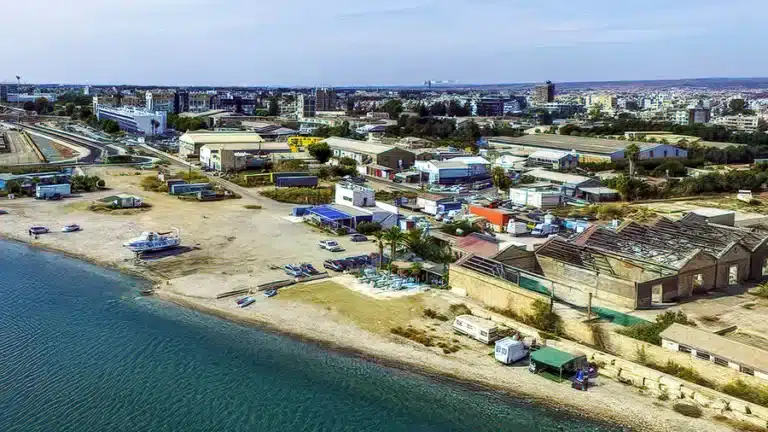
For decades, Aktaia Road was one of the least visited parts of Limassol. Hidden behind the port, the area became known for its ageing factories, abandoned industrial buildings, warehouses and the traditional boatyard. Despite its rich history, it remained largely disconnected from everyday life in the city.
That is now about to change.
The Limassol waterfront regeneration project aims to transform Aktaia Road into a vibrant public waterfront that reconnects the port with the city centre. The project is designed to create a place where people can walk, cycle, relax and enjoy better access to the sea, while also encouraging new investment and sustainable development.
Speaking about the plans, Mayor Yiannis Armeftis described the redevelopment as one of the most important urban projects the city has undertaken in recent years.
Limassol waterfront regeneration will reconnect the port and city centre
According to Armeftis, the main objective is to reconnect Limassol Port with the city centre by creating a continuous public waterfront.
“Aktaia Road is the space that can bring the port and the city centre together,” he said.
Rather than simply upgrading a road, the municipality wants to create a linear waterfront park with wide pedestrian paths, cycle lanes and space for public transport. The plans also leave open the possibility of introducing a tram system in the future if it proves viable.
The Limassol waterfront regeneration project also forms part of the city’s wider strategy to encourage sustainable transport. The new waterfront will connect with existing pedestrian routes, cycle paths and green corridors, making it easier for residents to move around the city without relying on cars.
At the same time, the redevelopment will improve access to the coastline for residents living in western Limassol, an area that has historically had limited access to the sea.
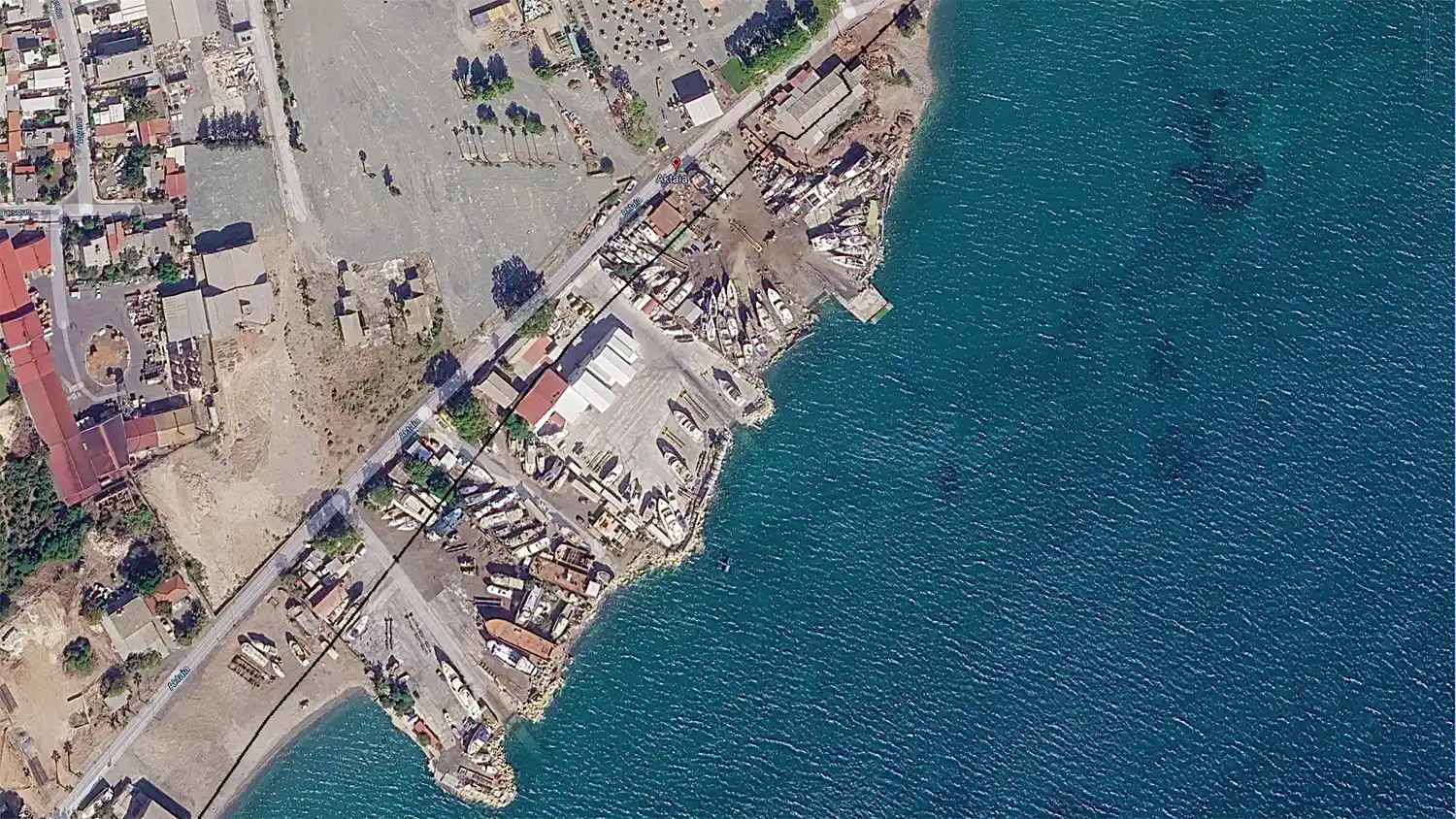
Aktaia Road (in red) is set to become the centrepiece of Limassol’s new waterfront regeneration project
Early work is already transforming Aktaia Road
Although the main redevelopment is still being planned, work has already begun to improve the area.
The municipality has cleaned the beach, demolished derelict buildings and planted more than 500 trees. A one-kilometre pedestrian and cycle path has also been completed, featuring solar-powered lighting, while a new bridge has improved access across the site.
In addition, around 3,000 tonnes of rubble and waste have been removed after years of illegal dumping.
The mayor said the municipality wants residents to begin enjoying the area before the entire redevelopment is completed.
“We want to deliver parts of the project as they are finished so people can start using them immediately. This also allows us to see how the spaces work in practice and what further improvements may be needed.”
The next stage will complete a final 400-metre section linking the Garyllis River with the roundabout at Limassol Port’s passenger terminal. This connection is expected to provide the first continuous link between the port and the new waterfront.
International architectural competition planned
The next major milestone in the Limassol waterfront regeneration project will be an international architectural competition, which is expected to launch in 2027.
Preparatory work is already under way, with the University of Cyprus and Frederick University helping to develop the competition brief and the project’s overall masterplan.
The municipality has also begun discussions with key stakeholders, including port operators DP World and Eurogate, together with government departments responsible for planning, public works and the environment.
Later this year, local residents will also be invited to take part in workshops and public presentations so their views can help shape the final design.
According to the mayor, careful preparation is essential before launching the international competition.
Boatyard relocation remains one of the biggest challenges
One of the most difficult issues facing the Limassol waterfront regeneration project is the future of the traditional boatyard.
Aktaia Road Boatyards (Karnagio)
Armeftis made it clear that the municipality does not want businesses to close.
“The solution is not to shut these businesses down,” he said. “The solution is to relocate them to a modern, properly organised site.”
He argued that Cyprus should have a modern shipyard capable of supporting its growing maritime industry. However, finding a suitable coastal location is the responsibility of central government.
The mayor added that the current boatyard is located within a protected coastal zone and no longer fits with the long-term vision for the waterfront.
Investment grows while preserving Limassol’s industrial heritage
The Limassol waterfront regeneration project is already attracting significant private investment.
former industrial buildings are being converted into cultural venues, event spaces and commercial developments, while new mixed-use projects are expected to reshape the western waterfront over the coming years.
However, Armeftis believes development should not come at the expense of the area’s identity.
“The industrial buildings are part of Limassol’s history,” he said. “Where possible, they should be preserved and adapted for new uses, particularly for cultural and community activities.”
the area is also expected to see taller buildings. current planning regulations allow developments of up to 30 storeys and heights of 120 metres. construction of the first tower exceeding 30 storeys is already under way, with further projects expected as investment gathers pace.
A new chapter for Limassol’s waterfront
The Limassol waterfront regeneration project represents one of the city’s most ambitious urban renewal schemes. By combining new public spaces, sustainable transport, private investment and the careful reuse of historic industrial buildings, the municipality hopes to create a waterfront that serves both residents and visitors.
If delivered as planned, Aktaia Road could become one of Limassol’s most important new destinations, reconnecting the city with its industrial past while creating a modern waterfront for future generations.
Cyprus home sales continued their strong upward trend during the first quarter of 2026, with the island recording the fastest growth in residential property transactions anywhere in the European Union.
According to the latest Eurostat figures, the number of homes sold in Cyprus increased by 13.6% compared with the first quarter of 2025, placing the country at the top of the EU rankings based on the latest available data.
The latest Cyprus home sales figures underline the resilience of the property market, which continues to support economic activity through construction, finance, professional services and property management.
Cyprus home sales lead a mixed EU property market
Cyprus’ performance contrasts with a mixed picture across the European housing market.
During the first quarter of 2026, residential property transactions declined in nine EU countries. The largest falls were recorded in Croatia (-42.2%), Bulgaria (-18.5%) and Finland (-11.8%).
Sales increased in seven countries, with Cyprus home sales rising by 13.6% to lead the EU, followed by Denmark (+8.4%).
The figures follow varied performances during previous quarters. In the fourth quarter of 2025, home sales fell in Luxembourg (-31.3%), Croatia (-13.7%) and Portugal (-3.6%), while Hungary (+23.5%) and Austria (+20.2%) recorded the strongest growth.
In the third quarter of 2025, Croatia was the only country to register a decline in home sales, while Slovenia (+48.6%) and Hungary (+29.2%) posted the highest increases.
Existing homes continue to drive property transactions
Eurostat’s data also shows that existing homes remain the main driver of property transactions across Europe.
In countries that provided separate data for new-build and existing properties, sales of existing homes comfortably exceeded those of newly built properties. This demonstrates the importance of existing housing stock in meeting buyer demand while highlighting the need for continued residential development.
For new-build homes, Luxembourg (+36.2%) and Hungary (+33.6%) recorded the strongest increases in transactions, while Finland (-22.3%) and Slovenia (-11.6%) saw the largest declines.
Among existing homes, Slovenia (+34.0%) and Lithuania (+23.0%) recorded the highest growth. Declines were limited to Croatia (-7.2%), Bulgaria (-5.0%) and Ireland (-0.4%).
Eurozone housing market recovery continues
Eurostat says housing transactions across the eurozone fell sharply during the COVID-19 lockdowns in 2020, reducing the total value of residential property transactions despite rising house prices.
The market rebounded strongly in 2021 and continued to expand during 2022 as house prices climbed further.
In 2023, eurozone house prices slipped by 1.0%, while the total value of residential property transactions fell by 19.2%, largely because of a significant decline in transaction volumes across most member states.
The recovery resumed in 2024, with house prices increasing by 2.2% and the total value of housing transactions rising by 4.2%.
Momentum strengthened again in 2025, when eurozone house prices rose by 5.3% and the total value of residential property transactions increased by 16.5%, reflecting a broad improvement in market activity.
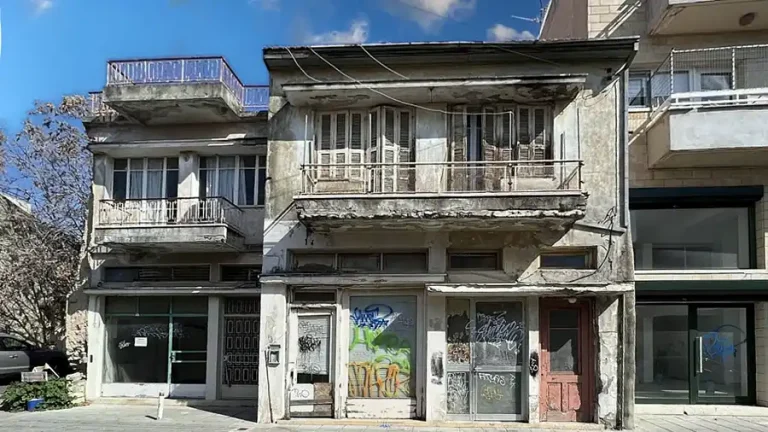
The number of dangerous buildings in Larnaca has climbed to 1,084, prompting the Larnaca District Local Government Organisation (DLGO) to step up inspections, enforcement and public safety measures across the district.
Officials said 204 buildings have already been formally classified as dangerous, while 116 are considered to be at immediate risk of collapse. The authority is continuing inspections, issuing legal notices and implementing safety measures to reduce risks to residents and the wider public.
Dangerous buildings register almost doubles
The authority said it is accelerating the identification, assessment and management of dangerous buildings in Larnaca through a comprehensive action plan focused on protecting public safety.
When responsibility transferred from the previous authorities, the organisation inherited a register of 563 potentially dangerous buildings. Following updated records, site inspections and new reports from residents, municipalities and community councils, the register has grown to 1,084 properties, highlighting the scale of the challenge.
A total of 310 visual inspections have been assigned to private structural engineers, with 228 technical reports already completed and assessed.
From those reports, 204 buildings have been officially designated as dangerous. Of those, 116 fall into the highest risk category because they present a visible danger of collapse.
Enforcement action under way across Larnaca
The authority has already carried out 31 interventions to reduce immediate risks associated with dangerous buildings in Larnaca.
These include fencing hazardous properties, either by the authority or property owners, the demolition of three buildings following official intervention, and the appointment of specialist consultants to prepare and implement remedial works after formal notices were issued.
Eight buildings have now been officially declared dangerous, with statutory notices served on owners. A further 10 properties are progressing through the declaration process.
One building has also been subject to a temporary evacuation order after its owners failed to comply with official instructions.
The DLGO said its strategy includes maintaining a digital register, commissioning specialist engineering inspections, assessing technical reports, categorising buildings according to risk and requiring owners to carry out safety works. Where necessary, legal and administrative action may also be taken.
Repair costs estimated at almost €6 million
Technical assessments covering 209 buildings estimate that the cost of making dangerous buildings in Larnaca safe will reach approximately €5.94 million.
The authority is urging owners to respond promptly to official notices and complete the required safety works without delay.
Residents are also encouraged to report buildings showing signs of structural instability so inspections can be carried out quickly and appropriate action taken.
The Larnaca DLGO said it will continue strengthening inspections, updating its register and working with local authorities and property owners to address the growing issue of dangerous buildings in Larnaca across the district.
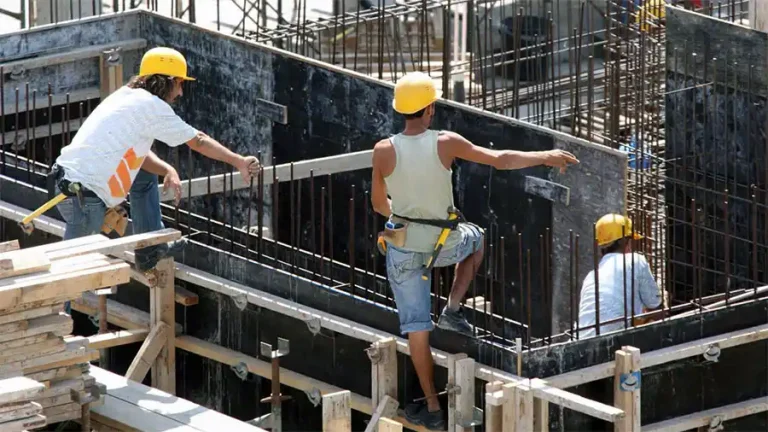
Cyprus’ construction labour shortage is becoming one of the biggest challenges facing the property sector, with industry leaders warning that a lack of skilled workers is delaying projects, increasing building costs and placing further pressure on affordable housing.
The Cyprus Scientific and Technical Chamber (ETEK) raised the issue during a meeting with Labour and Social Insurance Minister Marinos Mousiouttas, where discussions also covered construction site safety, engineering training and reforms to tower crane licensing.
Cyprus construction labour shortage drives up costs
ETEK described the shortage of skilled tradespeople, site foremen and supervisors as a critical issue for the Cyprus construction industry. The greatest shortages are among steel fixers and formwork carpenters, occupations that are essential to keeping construction projects on schedule.
According to the Chamber, the Cyprus construction labour shortage is disrupting the timely delivery of developments while increasing construction costs across the sector.
The Chamber also warned that the workforce shortage is affecting far more than building sites. It is slowing the delivery of affordable housing in Cyprus, delaying energy-efficiency upgrades to buildings and weakening the country’s wider economic growth.
To tackle the problem, ETEK called for immediate measures, including a faster and fully digital process for approving applications to recruit skilled workers from third countries.
The Chamber also recommended a comprehensive assessment of workforce needs across the construction sector to identify where the most severe shortages exist.
In addition, ETEK urged greater efforts to improve the image of technical professions by promoting Professional Qualification Standards and encouraging more young people to pursue careers in the construction industry.
Construction site safety remains a priority
Alongside the Cyprus construction labour shortage, construction site safety was a major topic of discussion.
ETEK stressed that health and safety should never be treated as a simple compliance exercise. Instead, it should form a core part of quality, professionalism and effective project management.
The conference explored how artificial intelligence, sustainable construction methods and the Vision Zero strategy can improve safety standards and strengthen resilience across the construction sector.
ETEK also highlighted its ongoing training initiatives, including SafePass, and called for closer cooperation with the Ministry of Labour and the Department of Labour Inspection to promote a more preventative approach to workplace safety.
Support for young engineers and licensing reform
The meeting also focused on the continuation of the Practical Training Programme for graduates in architecture, civil engineering and electrical engineering.
Funded through the European Social Fund, the programme has helped young engineers enter the labour market successfully. ETEK urged the government to renew the scheme promptly to ensure there is no interruption to the programme.
The Chamber also reiterated its concerns over the current requirement to obtain a building permit before installing tower cranes. It argued that the existing licensing process is inefficient and unnecessarily slow, calling instead for a more streamlined and practical system.
The issue will be reviewed further with the Ministry of the Interior and the Cyprus Federation of Building Contractors Associations.
Outlook for the Cyprus construction labour shortage
ETEK believes urgent action is needed to address the Cyprus construction labour shortage before it further affects housing supply, construction costs and economic growth. It says faster recruitment procedures, investment in skills, improved training and stronger support for technical careers will be essential if the construction industry is to meet future demand.
A landmark Geroskipou development worth €160 million has secured environmental approval, clearing the way for one of the largest residential schemes currently planned in Cyprus.
The Apollon Ylatis project, located in Geroskipou within the Municipality of Ierokipia in Paphos District, will create 711 homes together with a limited number of retail units, community facilities and extensive landscaped areas. Construction is expected to take around seven years.
Planning permission has already been granted to subdivide the site into five development plots, together with public green spaces, community infrastructure, Electricity Authority of Cyprus substations and parking areas.
711 homes to transform the Geroskipou development
The Geroskipou development will provide a mix of apartments and townhouses designed for the holiday and residential property market.
The project includes:
636 apartments across 15 apartment buildings
75 townhouses
Five communal swimming pools
746 parking spaces, including 88 accessible spaces and 41 bicycle spaces
Private roads and landscaped public areas
Buildings will range from two to six storeys, with some reaching seven above-ground levels. The tallest building will stand at approximately 21 metres.
The total site extends to approximately 100,516 square metres.
Apartment blocks exceed local height limits
Several apartment buildings included in the Geroskipou development exceed the two-storey height limit permitted under the area’s development plan.
One apartment block would rise more than four storeys above the permitted limit, while another would exceed the restriction by five storeys.
Plot B has been designated for future commercial development. However, detailed plans have not yet been completed and this element was not included in the environmental assessment.
The residential element will be spread across four plots:
Plot A: 120 apartments, 21 townhouses, communal swimming pool and 146 parking spaces.
Plot C: 147 apartments, 17 townhouses, clubhouse, communal swimming pool and 190 parking spaces.
Plot D: 203 apartments, 14 townhouses, two communal swimming pools and 220 parking spaces.
Plot E: 166 apartments, 23 townhouses, communal swimming pool and 190 parking spaces.
Apartment sizes will range from one to three bedrooms.
More than 3,400 residents expected
At full occupancy, the Geroskipou development is expected to accommodate around 3,415 residents.
Wastewater will be connected to the Paphos District Local Government Organisation sewerage network.
Maximum daily water demand has been estimated at approximately 867 cubic metres, while around 3,000 cubic metres of water will initially be required to fill the five communal swimming pools.
Electricity demand is estimated at 6,084 kWh annually, with photovoltaic systems planned to help reduce overall energy consumption.
Vehicle access will be provided from Spyrou Kyprianou Avenue.