Can the EU find solutions to Cyprus’ housing crisis?

Housing has always been a topic of public concern in Cyprus. Today, however, it has transformed from a general social ideal into a pressing survival issue for thousands of people, particularly students and young couples looking to buy a home.

The soaring price of property and rents in Cyprus continues to rise, pushing a significant number of the population, particularly those on low and middle incomes, to the margins.

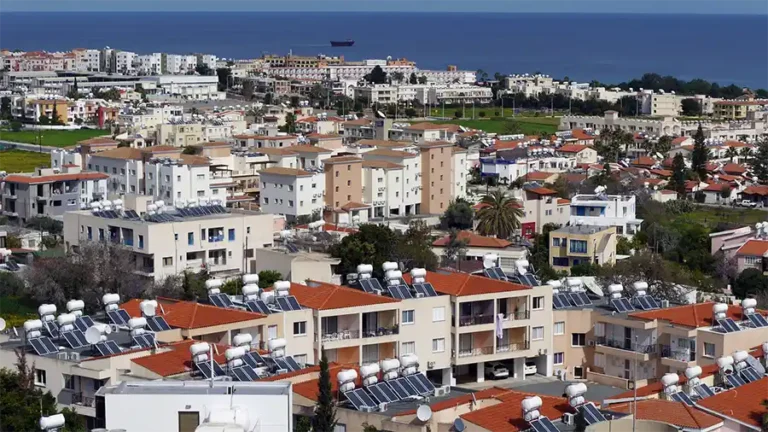
Cities like Nicosia, Limassol, and Larnaca are seeing their stock of affordable housing fall, with demand growing rapidly and supply failing to keep pace. As a result, thousands now face limited options: either remain in the family home well into adulthood or pay inflated rent prices that eat away at their income.

Recently, some have pointed to foreign investment in real estate as a contributing factor to the crisis. However, Cyprus has long been a magnet for international buyers and often at even higher volumes in the past. In fact, this international interest has been one of the primary drivers behind the real estate sector’s rapid development in recent years.

The real roots of the issue lie elsewhere. Key factors include a sharp increase in population, high construction costs driven by war-related disruptions and geopolitical instability, delays caused initially by the pandemic and more recently by slow planning approvals, limited state intervention, and a sluggish response from the private sector.

Importantly, Cyprus is part of a much broader European trend. A recent Eurocities survey found that 9 out of 10 mayors in major European cities see housing as the most critical social and economic challenge of our time.

The European Parliament and local authorities are now advocating for the establishment of a dedicated housing fund and for greater flexibility in how EU resources are deployed to tackle this crisis.

The European Commission, through its cohesion policy, has acknowledged that without coordinated intervention, the housing crisis threatens the very cohesion and stability of the EU as a whole.

EU meeting on affordable housing

Cyprus participated recently in a key EU-level meeting on affordable housing in Brussels, represented by the Office of the Commissioner for State Aid Control.

The gathering brought together officials from EU member states and representatives from major European organisations, including the European Investment Bank (EIB), Build Europe, Eurocities, the International Union of Property Owners, the International Union of Tenants, and Housing Europe.

At the heart of the agenda was the proposal to include affordable housing under the Decision on Services of General Economic Interest (SGEI). The goal: to formally recognise housing as a vital public service, similar to healthcare and education, with a legitimate economic and social function.

According to a statement from the Office, the purpose of the meeting was to allow stakeholders and member states to present their perspectives, share experiences, and make recommendations on how affordable housing should be framed within the SGEI framework. The European Commission, which led the proceedings, also offered key clarifications to guide this evolving policy direction.

Cyprus, through the active involvement of the Commissioner’s Office, is playing a meaningful role in shaping a unified European approach to this critical social issue: the right to housing.

The first draft of the revised SGEI Decision – including provisions for defining and implementing affordable housing – is expected to be presented in September 2025.

It’s time for action

The housing crisis is neither abstract nor inevitable. It is the result of policy decisions, market forces, and delayed responses. But there is room – and need – for action. Whether through targeted investment, smart urban planning, or stronger public-private cooperation, practical and inclusive solutions must take centre stage. Housing must be for the many – not just the privileged few.

 

Cyprus property sales hit €2.3 billion in first half of 2025

The Cyprus property market continued its upward path during the first half of 2025, according to the latest figures released by the Real Estate Agents Registration Council of Cyprus.

Data compiled by the Department of Lands and Surveys revealed a total of 8,729 sale contracts were filed between January and June, marking a 16% increase compared to the same period in 2024, which saw 7,553 contracts submitted.

Over the same period, property transfers worth a total of €2.3 billion were completed, representing an annual increase of approximately 10% in value. Interestingly, this rise occurred despite a modest 0.5% increase in the total number of transfers, which reached 9,417.

Council President Marinos Kinaigirou highlighted the market’s resilience, noting:
“Despite geopolitical uncertainties and global instability, particularly during the second quarter of the year, the property market maintained its momentum.”

He also pointed out that “demand remains particularly strong in the residential sector, helping to stabilise prices.” Looking ahead, Kinaigirou added: “Provided no unforeseen developments arise, we expect 2025 to be another very successful year for the Cypriot property market.”

Limassol leads the property market

Limassol retained its leading position among Cyprus’ districts, with transfer values reaching €809.3 million and 2,725 sale contracts filed. A total of 2,466 property transfers were recorded in the area, while the number of contracts increased by 13% year-on-year.

Nicosia follows closely

Nicosia came second in terms of value and first in terms of volume, recording 2,859 transfers with a total worth of €554.8 million. Sale contracts in the capital reached 2,010, up 14% from the first half of 2024, driven largely by Cypriot buyers seeking permanent residences.

Larnaca shows strongest growth

Larnaca registered the strongest growth in sale contracts, with a 24% rise to 1,948 documents filed. The total value of property transfers in the region hit €324 million across 1,822 transactions, underscoring the area’s growing appeal to investors.

Paphos continues to attract buyers

Paphos, a traditional hotspot for both permanent residences and tourism-related investments, also recorded impressive figures. Sale contracts increased by 20% to 1,653, while transfers stood at 1,736, amounting to €485 million in total value.

Steady growth in Famagusta

Although the Famagusta district had lower absolute figures, it maintained a positive trajectory. There were 534 transfers and 393 sale contracts filed – an 11% increase from the same period in 2024 – with total transaction value reaching €104.6 million.

With strong demand across all districts and a solid foundation in residential property, Cyprus’ real estate sector appears set for another strong year, despite broader global headwinds.


New rules for communal swimming pools

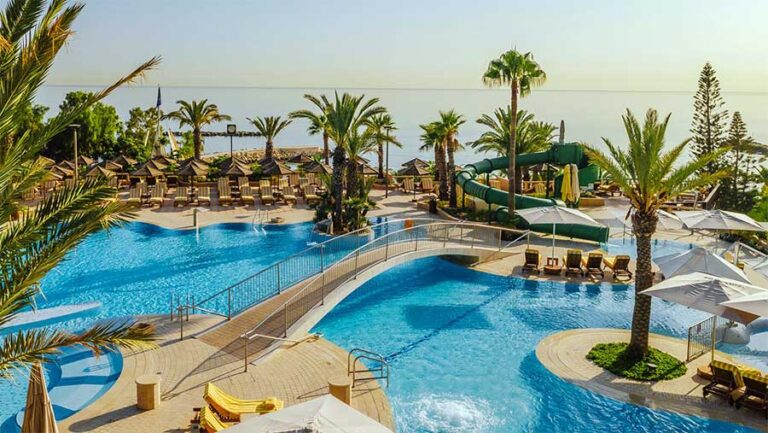
In a move set to ease burdens for some property owners, the Interior Ministry has officially relaxed the rules surrounding communal swimming pools that serve multiple households.

The changes were announced this week as part of a broader effort to modernize the legal framework governing pool usage.

Why change the rules for swimming pools?

Until now, any swimming pool serving two or more residential units was classified as a public swimming pool. This classification meant hefty requirements, including the need for an operating permit, lifeguard presence, and the installation of toilets and showers.

Officials admitted that these rules were often impossible or too costly to comply with, particularly for small or large private developments where pools are jointly owned or shared. The government pointed to rapid residential development in recent years as the main driver behind the reforms, stressing the urgency of updating outdated legislation.

The new system: Three pool categories

To streamline things, the government has introduced a three-tiered classification system, each with its own clearly defined obligations:

  1. Public and high-risk pools
    These include recreational public pools and competition pools. They still fall under the strictest regulations due to their high traffic and usage.
  2. Business-related pools
    This category covers pools that are an additional service to a primary business—like hotels or tourist accommodations. These will be regulated accordingly but still within a more practical framework.
  3. Private and shared-use pools
    This final category includes all other pools, including those in self-catering accommodations, except public and high-risk pools, business-related pools, and pools intended for private use serving up to five (5) residential units:
    • No more lifeguard requirement
    • No operating permit needed
    • Only occasional “sample inspections” will apply

Permits for swimming pools

Responsibility for issuing operating permits has also shifted. Municipalities will now handle permits for pools within their boundaries, while district offices will take over for those outside municipal zones.

What’s next?

The new law also distinguishes between constructing a swimming pool and operating one, two separate activities that will be regulated independently going forward. The government is already working on new planning laws to better address construction-related issues, with updates expected in the coming months.

Final thoughts

These legal adjustments mark a small step toward making communal swimming pools more accessible and manageable for property owners.

I’ll publish further details as they become available.

Apartments rental supply down in Cyprus – latest trends

The July 2025 analysis by Landbank Analytics reveals a sharp decline in the supply of rental apartments across Cyprus, with total number of available units dropping to 1,390 nationwide compared with 3,257 in January.

The report, which draws data from major online property platforms, tracks the average asking rent per district and per apartment type. According to Landbank CEO Andreas Christoforides, the combination of lower supply and heightened summer demand is creating a dynamic and multi-layered pricing landscape.

Limassol: Greatest number & highest prices

Limassol leads the market with the largest number of available apartments (1,013) and the highest rental prices across the island:

  • 1-bedroom: €1,651
  • 2-bedroom: €2,574
  • 3-bedroom: €3,812
  • 4-bedroom: €7,224
  • 5-bedroom: €7,750

The data reaffirms Limassol’s position as Cyprus’ premium rental market, driven by high-end demand and limited affordable stock.

Nicosia: Stability and strong demand for 3-beds

The capital, Nicosia, currently offers 191 rental apartments, with the bulk in two-bedroom (90) and three-bedroom (63) categories. Average asking prices are:

  • 1-bedroom: €1,070
  • 2-bedroom: €1,150
  • 3-bedroom: €1,823
  • 4-bedroom: €1,433

The relatively high rent for three-bedroom apartments reflects strong demand from students and families seeking central accommodation.

Larnaca: Economical options with growing demand

Larnaca lists 128 rental properties, mostly two-bedroom units (92). It remains one of the more affordable districts for renters:

  • 1-bedroom: €989
  • 2-bedroom: €1,274
  • 3-bedroom: €1,498

The city continues to attract interest thanks to value-for-money rental options and its growing popularity among both locals and expats.

Paphos: Stable prices, focus on two-bedroom apartments

In Paphos, 54 rental apartments are available, the majority of which are two-bedroom (34). Rents have seen stable, gradual increases:

  • 1-bedroom: €1,245
  • 2-bedroom: €1,441
  • 3-bedroom: €1,983

The market reflects consistent demand without sudden fluctuations, appealing to long-term tenants and seasonal visitors alike.

Famagusta: Limited supply of apartments, high rent

Only 4 rental apartments are available in the free area of Famagusta, all of which are two-bedroom units. The average asking rent is €2,150, signalling scarcity of supply paired with intense seasonal demand during the summer peak.

Conclusion: A tight market with rising pressures

With apartment supply across Cyprus shrinking significantly since the start of the year, the rental market is becoming increasingly competitive, especially in urban centres. While districts like Limassol and Famagusta are seeing premium pricing, areas like Larnaca and Paphos still offer relatively affordable alternatives.

Whether you’re a renter, landlord, or investor, keeping a close eye on these trends is essential as the market continues to shift in response to supply-demand imbalances and seasonal pressures.

Why banning short-term rentals will hurt the Cyprus economy

The need for a rational and modern framework to regulate short-term rentals was at the heart of a recent meeting between the Cyprus Property Developers Association and the Chairman of the Parliamentary Committee on Energy, Commerce, Industry, and Tourism, Mr Kyriakos Hadjiyiannis.

Mr Yiannis Misirlis, Chairman of the Cyprus Property Developers Association, accompanied by Board Member Mr Nikola Karoullas and the Association’s Director General Ms Mersina Isidorou, underlined the significant role that short-term rentals play in supporting the Cypriot economy and boosting tourism.

He stressed that such rentals provide vital accommodation options for tourists, promote economic activity in less central areas, and offer citizens the opportunity to earn an additional income, especially critical during a time when rising living costs are placing increasing pressure on households.

Misguided comparisons with Barcelona

During the meeting, Mr Misirlis addressed comparisons that are often drawn between Cyprus and cities such as Barcelona, calling them misguided. He noted that Barcelona is grappling with overtourism, whereas Cyprus is actively seeking to attract more visitors and enhance the competitiveness of its tourism sector.

He also clarified that Barcelona did not impose an outright ban on short-term rentals; rather, it introduced a regulatory framework to manage them more effectively. The implication being that Cyprus should follow a similar path of sensible regulation rather than pursue prohibition.

The impact of banning short-term rentals

The Association raised several potential consequences that could result from a blanket ban on short-term rental properties:

  • Damage to the tourism sector: A reduction in the availability of accommodation options could make Cyprus less attractive and less competitive as a tourist destination.
  • Loss of supplementary income for citizens: Many Cypriot families rely on the extra income generated from short-term letting, particularly as inflation continues to erode household budgets.
  • Negative impact on related professions: A slowdown in short-term rental activity would also affect those working in associated sectors such as electricians, plumbers, cleaners, and other service providers.
  • Decline in rural tourism: Visitors who choose to stay in short-term rental accommodation outside urban centres often spend money in local businesses such as restaurants, cafés, shops, entertainment venues, and local tour operators, thereby stimulating the rural economy.

A call for balanced, forward-looking regulation

In light of these points, Mr Misirlis reiterated the Association’s position: that Cyprus needs a modern, well-structured regulatory framework for short-term rentals. One that ensures fair competition, tax compliance, and sustainable growth for the property and tourism sectors alike.

The meeting concluded on a constructive note, with the Cyprus Property Developers Association assuring Mr Hadjiyiannis of its willingness to actively participate in the policymaking process.

The Association committed to contributing its insights and proposals to help develop a comprehensive and effective regulatory environment – one that serves the interests of the Cypriot economy, the public, and property owners.

(Translated & summarised from a Greek article in StockWatch)

Property boom or takeover? Cyprus under pressure

0

An article by former MEP Takis Hadjigeorgiou published in the Greek language Kathimerini talks about the large number of foreigners buying property in Cyprus through companies, but the state hasn’t got a clue about who owns what.

I have translated Mr Hadjigeorgiou article below:

About a year ago, I met with the most senior government official responsible for property matters in Cyprus to understand what he knew about growing concerns: an increasingly rapid wave of property acquisitions by non-EU nationals. I won’t name him – only emphasise that he was the most institutionally responsible figure – because my aim is not to target anyone personally.

I approached the meeting with a simple question: does the state have a clear and comprehensive picture of what’s happening? Are these purchases isolated incidents or signs of something systemic?

I told him openly that I had been receiving increasingly frequent and troubling reports: foreign nationals acquiring vast plots of land, apartment buildings, development-ready plots and even historical properties using immense amounts of money. These weren’t sporadic acts but a repeating and intensifying pattern. Most of the cases I’d heard of involved Israeli nationals.

His response was surprisingly casual. He said: “I’ve heard that too, but didn’t we used to say the Lebanese were buying us out?” I reminded him that I wasn’t speaking to a neighbour or colleague, I was speaking to the state. And the state should know how many properties have changed hands, their value, the identity and origin of the buyers, and the financial pathways used.

The next response was even more worrying: “Unfortunately, most of these purchases happen through companies, and the Land Registry doesn’t know who the shareholders are.”

So the legal loophole is known. Yet, one year on, it remains open.

Exploiting loopholes in the property law

Under current Cypriot law, a third-country national is allowed to purchase one residential and one commercial property. That’s it. But this restriction is being bypassed systematically through the misuse of Cypriot companies. The result is massive property transfers without the state truly knowing what’s going on.

There are two main ways this happens:

  1. A Cypriot owns a company that holds property. Rather than selling the property, they sell the company to a foreign national. Legally, it appears the property hasn’t changed hands. But in reality, control has shifted. The new owner demolishes what’s there and builds a block of apartments. This is followed by more purchases and further construction, and the state hasn’t got a clue of what’s going on.
  2. A foreigner pays a Cypriot to establish a company in the Cypriot’s name. That company acquires land. Later, through a simple transfer of shares filed with the Companies Registrar, the company – and by extension the land – is handed over to the foreign investor. On the surface, it’s legal. In substance, it’s an abuse of the system.

These tactics explain the rise of property developers from non-EU countries operating all over Cyprus. Behind the front of Cypriot-registered companies, they buy and sell land, renovate, evict, resell, or rent to their compatriots – often at exorbitant prices. The local population is priced out, and the state just sits back and watches it happen.

Consequences on society & property market

This isn’t just a legal or economic issue – it’s a deeply social one. The effects are being felt on the ground, particularly in certain geographic areas where foreign-controlled companies are buying up entire blocks. It looks less like coincidence and more like coordinated strategy.

Prices are soaring. Rents are becoming unaffordable. Long-time residents are being pushed out or left behind. The imbalance of purchasing power between locals and these foreign-backed buyers is stark and widening.

And still, the government has no centralised data. It cannot say who owns what. It cannot track whether buyers are Russian, Chinese, Israeli or from elsewhere. Whether through genuine ignorance or wilful inaction, the result is the same: no oversight, no regulation, no strategy.

The state must act now

We urgently need legislative reform. The loopholes must be closed – quickly, decisively, and retroactively. Transparency in corporate ownership of property is not a luxury; it is a necessity for sovereignty, security, and social balance.

This issue gained broader public attention after recent remarks by AKEL’s General Secretary, Stefanos Stefanou. His words were both courageous and necessary. Because this is not about nationalism – it’s about public interest. It is about the authority of the state, the integrity of our laws, and the future of our communities.

The conversation must continue. But more importantly, the state must act.

We must stay vigilant.