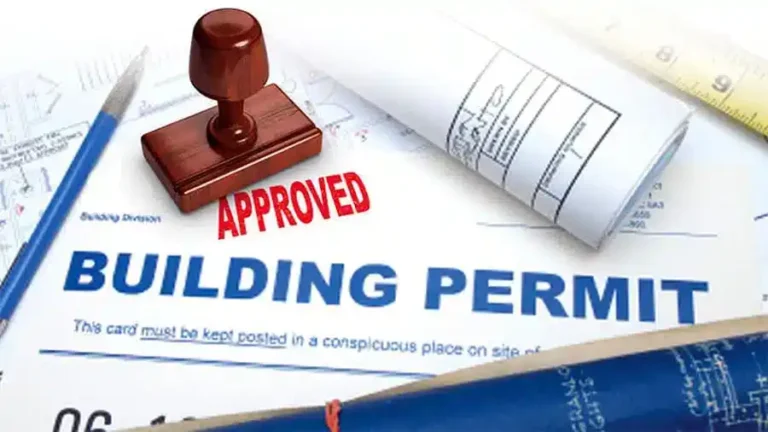
Essential due diligence for buying property in Cyprus

Cyprus is a popular destination for overseas buyers, offering everything from sun-soaked holiday homes to rental investments and permanent homes. Yet while buying property in Cyprus holds many opportunities, it also comes with risks.

Carrying out comprehensive due diligence before signing a sale agreement is essential to safeguard your investment, avoid legal complications, and ensure peace of mind.

This guide outlines the key risks and the essential due diligence process every buyer should follow when purchasing property in Cyprus.

Risks when buying property in Cyprus

While Cyprus presents good opportunities, buyers should remain cautious. Some of the most common risks include:

  • Title Deed issues: Delays or complications in securing full ownership rights are relatively common. Without clean Title Deeds, you may never become the legal owner of the property.
  • Hidden liabilities: Properties can carry debts, mortgages, or unresolved legal disputes that may prevent/delay transfer of the property to its purchaser.
  • Unauthorised Construction: Planning violations can prevent Title Deeds from being issued or being ‘marked’ in such a way that prevents the property being sold or used as collateral for a loan/mortgage until the planning violations have been corrected.

Without careful checks and professional support, buyers risk financial loss, legal issues, or purchasing a property they cannot legally own.

Due diligence when buying property in Cyprus

Legal representation

It is absolutely essential that anyone thinking of buying a property instructs a local independent lawyer to protect their interests throughout the process. By ‘independent’, I mean a lawyer who has no connection whatsoever with any other party involved in the sale, which includes the vendor, the estate agent and others they may recommend.

For the benefit of British nationals, the UK Foreign, Commonwealth & Development Office (FCDO) publishes a list of English-speaking lawyers who may be able to assist. See Lawyers in Cyprus.

Undertaking due diligence

  • Preparing the contract: Safeguards your interests and ensures the contract favours your interests, is balanced and compliant with Cypriot law.
  • Negotiation assistance: Lawyers may be able to negotiate on your behalf.
  • Title transfer: Lawyers can oversee the transfer of title and documentation. If buying a property off-plan (i.e before the property’s build has been completed and checked for compliance against the authorised plans) the transfer of title can still take many years even if there are no planning violations.

Remember: The contract specifies exactly what you are purchasing – nothing more and nothing less. In the past, some properties were marketed claiming that facilities such as golf courses and other leisure facilities were planned for the area. In many cases, these projects never materialised or the plans were quietly abandoned.

Title search

A title search will confirm the legal ownership and will uncover potential risks.

  • Checking ownership: Ensure the seller is the rightful owner and has authority to sell. The Cyprus Land Registry holds the official records.
  • Identifying charges and other encumbrances: Check the property is free of mortgages, debts, or claims.

Legal compliance

Verify that the property meets all legal and planning requirements.

  • Building permits: Confirm valid permits exist and construction complied with zoning laws and authorised permits.
  • Planning permissions: Check for existing or pending permissions and possible disputes.
  • Fines and violations: Ensure there are no outstanding penalties attached to the property.

(Note. If buying a property ‘off-plan’ it’s often the case that the authorities have yet to approve planning applications and building permits, which carries additional risks.)

Property condition

In situation where the property is a resale, buyers should commission a professional inspection before committing to the purchase.

  • Structural integrity: A qualified surveyor can check for cracks, dampness, or hidden defects.
  • Utilities and services: Confirm that water, electricity, and sewage systems are connected and functional.
  • Renovation/repair costs: Obtain estimates for repairs or upgrades to avoid surprises.
  • Property inspection: If you’re considering a resale property, use my comprehensive 6-part guide to inspecting property(ies) and record your findings on my property inspection checklist.
  • Estate agents: If you found the property that you’re thinking buying, ask the estate agent these eight questions.

Financial implications

Understand the full financial implications of the purchase.

  • Market Value: Compare prices of similar properties in the area to avoid overpaying.
  • Ongoing Costs: Factor in insurance, property taxes, maintenance, and communal fees.
  • Financing Options: Review mortgage/home loan terms carefully with Cypriot or international lenders.

Tax implications

Be aware of local and central government taxes you’ll need to pay.

  • Property transfer fees: Government fees vary depending on property value.
  • Capital Gains Tax: Applies if you sell the property later.
  • Annual Obligations: Include local property taxes, municipal charges.
  • Value Added Tax: Resale properties are currently exempt from VAT.
  • Communal Fees: If you’re buying an apartment or a property in a complex with shared facilities – such as a swimming pool, gym or tennis court – you’ll need to pay communal fees to insure, maintain and repair those facilities. The vendor may have unpaid fees, and you will become responsible for them if they remain outstanding. Ask your lawyer to check for any arrears. If there are any, they should be deducted from the agreed sale price and paid to the complex’s management committee after you’ve completed your purchase.

Local environment and facilities

Consider what’s in the local area and the long-term growth prospects.

  • Location: Research local infrastructure, amenities, and growth potential in the area.
  • Future developments: Be aware of planned projects that may impact property values.

Making a Will

Although it’s no part of the actual buying process, it’s essential that anyone buying a property in Cyprus makes a Will for their property and other assets in Cyprus.

The Cyprus inheritance law follows the forced heirship system, which means the person making the Will must leave portions of their estate to close relatives. It’s also the case that a spouse does not automatically receive their deceased spouse’s estate.

In many cases it is possible to overcome the issues with the Cyprus forced heirship rules and other potential issues by having your Will drawn up by a lawyer who is experienced in dealing with the administration of cross border estates.

I suggest you shop around and get the lawyer’s agreed fees for administering your estate written into your Will.

(As mentioned earlier, the UK Foreign, Commonwealth & Development Office (FCDO) publishes a list of English-speaking lawyers who may be able to assist. See Lawyers in Cyprus.)

Conclusion

Buying property in Cyprus can be highly rewarding, but only if the right precautions are taken. From title deed checks and legal compliance to property surveys, financial planning, and tax considerations, due diligence is the cornerstone of a secure purchase.

By engaging qualified professionals and carefully investigating every aspect of the property, you can minimise risks, protect your investment, and make a confident move into the Cypriot property market.

Frequently asked questions (FAQs)

Can foreigners buy property in Cyprus? Yes. Both EU and non-EU citizens can buy property in Cyprus. Non-EU buyers, however, must obtain permission from the Council of Ministers before they can own the property (i.e. before its Title Deed is registered in their name.) This is usually a straightforward process, particularly for residential properties.

What are Title Deeds and why are they important? Title Deeds are the legal documents proving ownership of a property. Without them, you will not have full ownership rights. It is vital to ensure the property has, or will have, clean Title Deeds before completing a purchase.

What taxes and fees should I expect when buying property? Buyers typically pay transfer fees, stamp duty, and, in some cases, VAT. Ongoing obligations include annual municipal charges, property taxes and, if applicable, communal fees.

How long does the buying process usually take? The process can take from several weeks to several years. Timelines depend on due diligence checks, mortgage approvals, and the issuance of Title Deeds.

What are the main risks of buying property in Cyprus? Common risks include delays with Title Deeds, hidden debts attached to the property, unauthorised building works, and fluctuating property values. Proper due diligence and professional guidance minimises these risks.
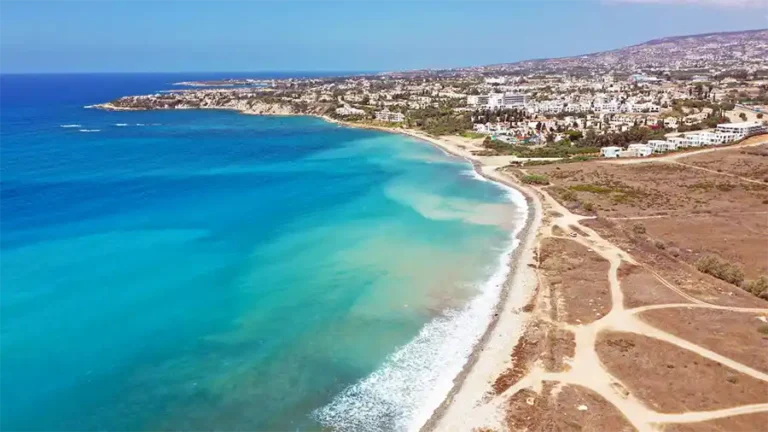

Tender for Paphos Marina project announced

The Deputy Ministry of Tourism has launched the tender process for the development of the Paphos Marina project, which will be located in the Potima area of Kissonerga. The project will be awarded through a long-term DBFOT (Design, Build, Finance, Operate, Transfer) concession agreement.

According to the ministry’s announcement, the development will include a modern marina with a capacity of 1,000 berths for leisure craft, covering both the sea and land. Between 70-80% of the berths will be allocated for mooring, while the remaining 20-30% will be onshore facilities.

The tender also provides for residential and commercial development, which may include hotel infrastructure and, optionally, facilities to accommodate cruise ships.

The announcement of the tender follows President Nikos Christodoulides’ statement during a meeting with stakeholders in Paphos district. He highlighted the marina as one of 75 projects planned for the region, with a total budget exceeding €230 million. The Paphos Marina alone will cover an area of 165,000 square metres and accommodate up to 1,000 leisure craft.

President Christodoulides emphasised that the project is expected to strengthen the local economy, create new jobs, and enhance the tourism offering of the Paphos district.

Deputy ministry of tourism statement

The Deputy Ministry of Tourism said that this development marks another important step in establishing Cyprus as a leading nautical tourism destination, while supporting sustainable economic growth and long-term progress.

The marina will be constructed on state-owned land in the Potima area of Kissonerga, covering approximately 165,000 square metres. It will feature high-standard facilities capable of hosting 1,000 leisure craft, as well as residential and commercial developments, with optional hotel and cruise ship infrastructure.

The tender process will be conducted in collaboration with Deloitte Ltd and Triton Consulting Engineers S.A., ensuring transparency, fairness, and compliance with both Cypriot and European legislation.

The tender has been published in the Official Journal of the European Union (OJEU) and the Official Gazette of the Republic of Cyprus. All related documents, including the Expression of Interest and subsequent competition papers, are available on the Cyprus eProcurement platform.

Interested parties are invited to submit their Expressions of Interest according to the procedures and timelines outlined in the official tender documents.

The troubled history of the long-awaited Paphos Marina

Since an initial study was carried out more than 30 years ago, the Paphos Marina project has been stalled by legal battles and mired in bureaucracy.

1990s–2006 — concept & early planning
The idea of a marina for Paphos appears in long-term coastal development planning and feasibility studies through the late 1990s and 2000s as Paphos developed as a tourism hub.

2007–2008 — first high-profile tender and award
A major government tender was run. In 2007–2008 the Cybarco-Pandora consortium (including Leptos Group in reporting) was initially announced the winner of the concession/tender for the Paphos marina. Litigation followed almost immediately as the other bidders objected and appealed the award.

2008–2015 — litigation, counter-awards and re-examinations
The 2008 award triggered multiple legal challenges and reviews. Different bidders (notably Poseidon Grand Marina and Pafilia) lodged appeals and objections; the administration re-examined financing evidence and committee procedures. These years saw annulments and re-assessments rather than construction.

December 2015 — Supreme Court milestone
In late 2015 the Supreme Court issued a pivotal decision favouring the Poseidon consortium in aspects of the dispute (reporting indicates the court found procedural problems with the administration/committee handling of earlier stages), which reshuffled the legal status of the tender. (The ruling did not immediately produce a stable concession because subsequent steps required proof of funds and committee re-assessments.)

2016–2018 — committee rulings, new award and withdrawals
Following court rulings, the management/steering committee attempted to move ahead. At different moments Pafilia was invited/approved as the next concessionaire, and a new committee signed an agreement in 2018 — but Pafilia then withdrew from the process (citing the uncertain legal and commercial environment). Meanwhile Poseidon and others continued legal actions asserting procedural irregularities. The cycle of awards ? legal challenge ? re-award ? withdrawal repeated.

2019–2021 — continuing delays and fresh objections
Even after new committee actions, interested parties kept raising formal objections to tender steps (complaints brought to tender review authorities and interim orders). That kept the project on hold and prevented contract signature/works starting. Reporting in 2021 flagged another objection that again froze progress.

2022–2023 — renewed government work and feasibility / tender preparations
The government and the Deputy Ministry of Tourism repeatedly restarted preparatory work: updated feasibility studies, revised tender documents, and public statements that the ministry would re-launch an improved, legally robust procurement process designed to avoid the errors of the past. Coverage in this period described a “new hope” and active preparation for a fresh investor call.

January 2025 — publication of basic characteristics / call for proposals (Phase 1 input)
In January 2025 the Deputy Ministry published the basic characteristics of the project and invited interested parties to submit proposals/expressions of interest under those characteristics (reports cited a submission window that closed in late January 2025). This marked a concrete administrative step toward a two-phase procurement (expression of interest and invitation to tender).

August 2025 — ministry preparing investor call / tender documents
By August 2025 reporting noted the Deputy Ministry was finalising the investor-interest call and legal checks, with stakeholders saying the formal call for investors / opening of tender documents was expected in late August / early September 2025. Officials signalled an intention to run a more rigorous tender process and to address financing, environmental and archaeological constraints up front.

September 2025 – ministry launches tender process
The Deputy Ministry of Tourism has launched the tender process for the development of the Paphos Marina project.

Time will tell if, after 30 years of legal battles and bureaucracy, Paphos will finally get it’s marina. But if past performance is anything to go by – don’t hold your breath!

Cyprus developers back foreign investments bill

The Cyprus Land and Building Developers Association (CPDA) has expressed its full support for the promotion of the revised bill establishing the National Mechanism for the Screening of Foreign Direct Investments.

The Association highlighted that this represents an important step towards strengthening transparency, credibility, and alignment with the wider European framework.

In a statement, the Association underlined the significance of Cyprus acquiring a modern and clear framework to safeguard national security and public order in the context of foreign investments, while at the same time maintaining the country’s appeal as an investment destination.

The statement continued:

“The adoption of clear and transparent procedures is a fundamental prerequisite for building the trust of foreign investors and further positioning Cyprus as a modern and reliable investment hub. Attracting high-quality investments – which has always been the ultimate goal – has consistently contributed to the development of the Cypriot economy and, more broadly, to the progress of society.”

The Association noted that it is closely monitoring developments in Cyprus’ investment environment and stressed the importance of implementing the new framework in a way that guarantees transparency and reliability, while also boosting the country’s investment potential.

Commenting on the matter, Mersina Isidore, Director General of the Cyprus Land and Building Developers Association, emphasised that the organisation, representing companies active in one of the key sectors of the Cypriot economy, fully supports every initiative that enhances the competitiveness of Cyprus.

She added that the Association participates actively and constructively in public dialogue, with the aim of shaping a comprehensive and effective institutional framework.

(Translated & summarised from a Greek article in StockWatch)

Cyprus building permits drop, project value rises

The number of building permits approved in the first five months of 2025 has seen a significant decline, even as the value and total area of authorised projects recorded notable increases.

According to data released earlier today by the Statistical Service (CySTAT), from January to May 2025, a total of 2,764 building permits were issued, compared with 3,254 in the same period of 2024 – representing a fall of 15.1%.

Despite the drop in permits, the overall value of projects rose by 15.5%, reaching €1.46 billion, while the total area increased by 15.2%, amounting to 1,189,633 square metres.

There was also a notable rise in the number of residential units, which rose to 5,484, up from 4,844 in 2024, reflecting a 13.2% increase.

  • The value of residential buildings rose by 15.9% to €1.1 billion.
  • Non-residential buildings reached a value of €276 million, up 17.0%.
  • Civil engineering projects surged by 37.8%.
  • Conversely, land division projects fell by 41.6%, while road construction recorded a steep drop of 66.6%.

Significant drop in building permits in May

The downward trend continued in May, when permits dropped by 14.4% to 607, compared with 709 in May 2024.

However, both the value and total area of projects increased, along with the number of residential units approved during the month:

  • Total authorised area: 261,637 square metres
  • Total project value: €315 million
  • New residential units: 1,163

Permit analysis by project category

  • Residential buildings: permits fell by 5.5% (2,044 vs. 2,163 in 2024).
  • Non-residential buildings: steep decline of 42.3% (308 vs. 534).
  • Civil engineering projects: down 21.4%.
  • Land division: decreased by 10.6%.
  • Road construction: the sharpest fall, down 69.8%.

Construction area: shift towards residential

  • Residential building area grew by 16.8%, reaching 947,511 square metres.
  • Non-residential building area increased by 9.0%.
  • Civil engineering projects rose sharply by 47.9%, reaching 3,784 square metres.

Strong growth in residential units

The number of residential units planned under May’s permits totals 1,163, including:

  • 366 detached houses (+15.1%)
  • 89 semi-detached houses (+6.8%)
  • 708 apartment units (+16.9%)

On the other hand, no mixed-use apartment blocks were recorded in May, while overall in the first five months of 2025, such buildings dropped by 31.6%.

Reform and new building permits framework

Since 1 July 2024, responsibility for issuing building permits has been transferred to the District Self-Government Organisations (EOAs), which now manage applications through the integrated “Ippodamos” information system.

The system also handles a large number of older paper-based applications submitted before its launch.

During its initial operation, some technical and procedural difficulties were identified, affecting both processing flows and statistical reporting. The Statistical Service is working closely with the relevant ministries and authorities to resolve these issues and ensure the smooth provision of reliable data.

Buying property in occupied north Cyprus could cost you everything

British nationals considering purchasing property in the areas of Cyprus occupied by Turkey (northern Cyprus) have been warned to avoid doing so due to serious legal and financial risks.

Greek Cypriot chief negotiator Menelaos Menelaou told the Daily Express that buying property in the north could expose buyers to illegal transactions and potential court cases.

“They should definitely be careful because they are going to a place where there is an occupation, an illegal occupation, and an illegal regime that cannot produce any legal acts, including in the field of the selling and buying of properties,” Menelaou said.

He explained that in many cases, properties being sold in the north originally belonged to Greek Cypriots who fled during Turkey’s invasion of the island in 1974. New “Title Deeds” issued by the Turkish Cypriot administration, known as “Koçan” or “Kocan”, are not recognised under international law, meaning buyers could be engaging in illegal activity.

Risk of legal action

When asked whether British buyers could face legal action, Menelaou was clear:

“If the rightful owner initiates legal proceedings, then they might find themselves in a situation of having to face legal consequences … Even if they didn’t buy the property knowingly, that does not constitute an excuse.”

Recent arrests have underscored the risks. Several European nationals have been detained by the Republic of Cyprus on suspicion of illegally developing or selling Greek Cypriot-owned land in the north. The most high-profile case involves Israeli developer Simon Aykut, accused of selling €43 million worth of property.

High-profile property cases

Other cases include:

  • A German real estate agent, Eva Isabella Künzel, arrested after allegedly admitting to selling disputed property in the occupied areas.
  • Two Hungarian women sentenced in May for advertising homes for sale in the north.

Turkish Cypriot leader Ersin Tatar has condemned these arrests, describing them as “terrorism” and warning that they jeopardise peace talks.

UK Foreign Office warning

The UK Foreign Office has also cautioned British nationals about the risks:

“The ownership of many properties is disputed in the north of Cyprus. Purchase of these properties could have serious financial and legal implications.”

It warned that buyers could face lawsuits in the Republic of Cyprus, with rulings enforced elsewhere in the EU and even in the UK.

One landmark case involved British couple David and Elizabeth Orams, who built a villa on land in Kyrenia that had a rightful Greek Cypriot owner. After years of legal battles, the European Court of Justice ruled against them, forcing them to surrender the land and pay damages. The judgment was successfully enforced against their UK assets.

Conclusion

The warning is clear: buying property in northern Cyprus comes with severe risks. Legal disputes can lead to the loss of the property, financial penalties, and the seizure of assets abroad.

For British buyers seeking a permanent home or a holiday home in Cyprus, experts stress that purchases should only be made in the Republic of Cyprus (the south), where property rights are recognised internationally.

Foreign investment bill may disrupt property market

The Association of Credit Acquisition Companies and Credit Facility Management Companies (ACACS) has raised serious concerns over a draft bill aiming to establish a framework for monitoring direct foreign investment in Cyprus.

In a letter to the Parliamentary Committee on Finance, ACACS’s Director, Lisa Solonos, expressed doubts about the bill’s practical application. She warned that, as currently worded, the legislation risks creating significant uncertainty and delays in investments, particularly in property transactions.

Concerns over investment in “strategic importance” properties

Solonos highlighted that the term “enterprise of strategic importance” and references to properties deemed crucial for infrastructure, as described in the bill’s annex, remain vague. This lack of clarity, she argued, poses risks both for member companies and prospective property buyers.

“For legal certainty and practical reasons, it is vital to clearly define which properties fall under the law,” Solonos stressed, adding that such clarity is essential to avoid transaction delays and ensure efficiency.

She warned that ambiguity – both in definitions and in timelines – could result in excessive applications, bureaucratic hurdles, and frustration among investors. This, in turn, might deter foreign capital from Cyprus, pushing it towards competing destinations.

Timelines may delay investment processes

The draft legislation sets strict notification and approval deadlines. For example, investors must notify authorities at least ten days before executing an investment. However, Solonos questioned what constitutes the “execution date” of an investment, pointing out that property transactions often require speed and certainty.

She further highlighted:

  • A 20-day deadline for authorities to decide whether an investment is subject to review.
  • A 65-day examination period to assess risks to national security or public order.

Taken together, these timeframes could extend the approval process beyond four months, creating major obstacles – particularly for transactions involving bank financing, tax clearances, and land registry procedures.

To address this, ACACS has called for clearer definitions, shorter deadlines, or even the introduction of a fast-track process for qualifying transactions.

Right to cancel transactions raises alarm

Another major concern is the Ministry of Finance’s right to revoke approvals and cancel transactions retroactively within 14 months of completion.

“This provision creates severe uncertainty and discourages investment,” Solonos noted. She questioned who would be liable for damages if a developer begins construction only to see the transaction cancelled.

ACACS proposes reducing the review period to 2–3 months and introducing a compensation mechanism for investors affected by retroactive cancellations. Additionally, they argue that once a property development has commenced, transactions should only be annulled under exceptional circumstances relating to national security.

The FDI bill at a glance

The revised bill before Parliament establishes a Foreign Direct Investment (FDI) Screening Mechanism in line with EU Regulation 2019/452. It defines mandatory notification requirements, approval criteria, procedural steps, and the Ministry of Finance’s powers as the competent authority.

While the legislation aims to safeguard national interests, industry stakeholders warn that without clearer definitions and streamlined processes, Cyprus risks losing its appeal as a real estate investment destination.

(Translated & summarised from a Greek article in StockWatch)