Further call for legislation on jointly-owned buildings law

Jointly-owned buildings across Cyprus are facing growing challenges: unpaid communal fees, inadequate maintenance, and safety risks threaten thousands of residents. The 2023 draft law on the management of these buildings is urgently needed to enforce accountability, secure proper maintenance, and protect the quality of life for all owners and tenants.

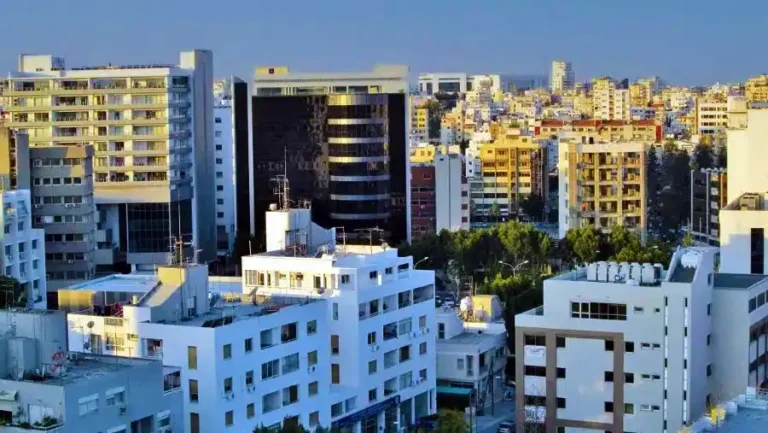
The continuing discussion on the draft bill “The Law on the Management of Communal Buildings and Related Matters of 2023”, which was examined by the Parliamentary Committee on Internal Affairs, has seen many delays towards progress and completion. This legislation is of significant importance as it directly concerns thousands of people who are currently living in these buildings.

With around 70,000 jointly-owned buildings in Cyprus comprising more than 200,000 units, a modern legal framework is expected to regulate their smooth operation. The aim is to provide proper oversight of their registration and management, both at administrative and legal levels.

The Cyprus Association of Communal Building Managers (SYDIKOIK), an affiliated member of the Cyprus Employers and Industrialists Federation (OEB), has reviewed the proposed bill, which it considers to be a good starting point. Their recommendations regarding further provisions of the bill include:

  • Clear calculation of each owner’s proportional share.
  • Establishing fines to be imposed by Management Committees on owners who consistently fail to pay communal charges.
  • Creation of a capital expenditure (CapEx) fund, with mandatory contributions from all unit owners, of at least 15% of the annual communal budget.
  • Creating a reserve (sinking) fund, equal to six months of communal expenses to pay for unscheduled maintenance, repairs and other unforeseen expenses.

In addition, SYDIKOIK has suggested to the Parliamentary Committee that:

  • A jointly-owned building should be considered “occupied” from the day electricity is connected to the communal meter, with responsibility falling to the owner if a unit remains uninhabited.
  • Representatives of professional management companies should be allowed to sit on Management Committees. (Under the draft law, only unit owners may sit on Management Committees.)

Digitalisation is another critical factor. The government service or department implementing the new law should handle and evaluate applications for the registration of Management Committees electronically. By embracing digitisation, together with ensuring broader responsibilities and powers for Management Committees, it is expected that the new system will deliver positive results and much-needed efficiency.

Conclusion

The legal regulation of jointly-owned building management will significantly improve the quality of life for those living in apartment blocks and other communal developments. With proper maintenance, residents will avoid unacceptable situations such as balcony collapses caused by corrosion and lack of upkeep.

A number of organisations have also proposed further changes to the draft law, including the Cyprus Property Developers Association, the Cyprus Scientific and Technical Chamber (ETEK) and the fire service.
Rents in Cyprus skyrocket, Limassol tops the list

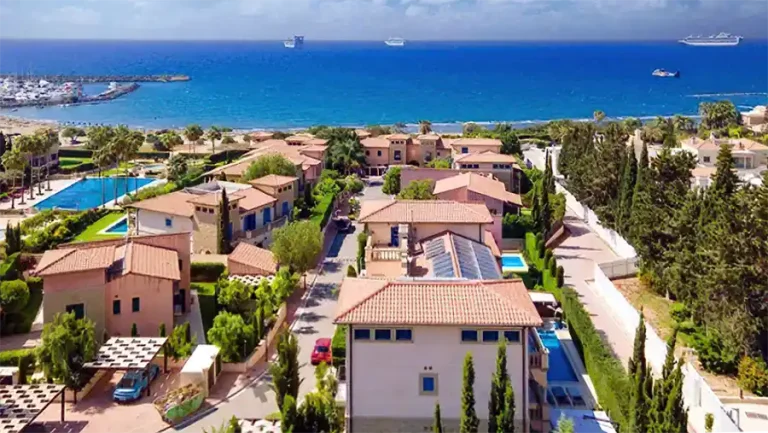
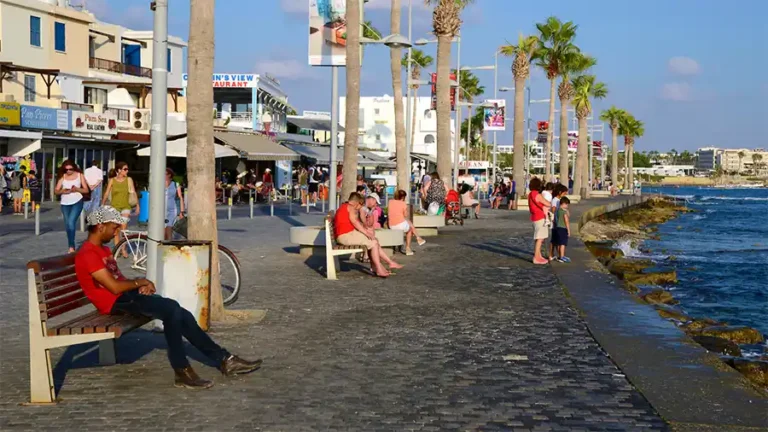
Rents across Cyprus are soaring to record highs, squeezing household budgets and fuelling debate over housing affordability and market pressures.

Rents across Cyprus are continuing to climb at an alarming pace, with fresh data from the Department of Lands & Surveys revealing steep increases in just six months. According to the Ministry of Interior, some areas are now charging rates that many households simply cannot afford, sparking fresh concerns about housing affordability.

In Limassol’s Ayios Tychonas district, a one-bedroom home of 80 square metres is now renting for €1,250 per month, while a two-bedroom is priced at €1,650 and a three-bedroom at €2,300. The neighbouring Germasogeia area shows a similar picture, where prices have jumped significantly compared with last autumn. A one-bedroom that cost €1,200 six months ago now averages €1,250, while three-bedroom homes have leapt from €1,850 to €2,300.

The Ministry notes that rents relate to newly signed contracts or fully renovated properties, unfurnished, and intended for Cypriot residents – a hint that foreigners may face even higher prices.

Elsewhere, the figures vary widely:

  • In Engomi (Nicosia), one-bedroom homes average €675, with three-bedrooms at €1,250.
  • In Chlorakas (Paphos), one-bedrooms cost €600, while three-bedroom homes go for €975.
  • In Larnaca, rents stand at €750 for a one-bedroom and €1,375 for a three-bedroom.
  • Ayia Napa and Paralimn, rents remain comparatively cheaper, though still rising, with three-bedroom homes at €1,150 and €1,225 respectively.

Apartment rents also show steep growth

In Limassol’s Ayios Athanasios and Ayios Tychonas, one-bedroom flats now command €1,000–€1,100, while two-bedrooms fetch €1,450–€1,500. In Paphos’s Konia district, surprisingly, flat rentals exceed those in the city itself.

The data paints a stark picture: while some rural communities still offer rents as low as €325–€450 for a one-bedroom, demand in urban centres, especially Limassol, has driven prices to levels unseen before.

As housing pressures mount, these rising rents are intensifying debate over affordability, inequality, and the urgent need for government-backed housing solutions.

Market rents across Cyprus

Limassol
Municipality/Community
1 Bedroom (€) 2 Bedrooms (€) 3 Bedrooms (€)
Ayios Tychonas 1,250 1,650 2,300
Germasogeia 1,250 1,650 2,300
Ayios Athanasios 1,150 1,550 2,250
Kato Polemidia 1,025 1,250 1,650
Mesa Geitonia 1,150 1,550 1,550
Mouttagiaka 1,025 1,550 2,200
Nicosia
Municipality/Community
1 Bedroom (€) 2 Bedrooms (€) 3 Bedrooms (€)
Engomi (houses) 675 1,000 1,250
Engomi (flats) 625 900 1,050
Ayios Dometios 575 825 1,025
Aglantzia 650 875 1,050
Lakatamia 550 800 1,025
Strovolos (flats) 625 925 1,200
Larnaca
Municipality/Community
1 Bedroom (€) 2 Bedrooms (€) 3 Bedrooms (€)
Larnaca (houses) 750 950 1,375
Larnaca (flats) 725 900 1,150
Aradippou 575 725 875
Livadia 675 900 1,075
Voroklini 625 750 925
Pyla 575 700 875
Paphos
Municipality/Community
1 Bedroom (€) 2 Bedrooms (€) 3 Bedrooms (€)
Chlorakas 600 750 975
Paphos (flats) 450 650 750
Konia 425 700 850
Famagusta
Municipality/Community
1 Bedroom (€) 2 Bedrooms (€) 3 Bedrooms (€)
Ayia Napa (houses) 675 900 1,150
Ayia Napa (flats) 450 575 725
Paralimni (houses) 675 925 1,225
Paralimni (flats) 450 575 750
Deryneia 375 500 600
Liopetri 325 450 550
Frenaros 325 450 550
Sotira 375 500 600

Note: Ministry of Interior data (translated into English.) Rents refer to newly signed contractual dwellings or fully renovated unfurnished properties, intended for citizens of the Republic of Cyprus and permanent residents. Equivalent properties may be rented at higher prices to foreigners.

New €30m apartment developments approved in Paphos

Environmental approval paves the way for two major residential developments in Paphos, with €30m invested in more than 125 new homes, pools, gyms, and green spaces, highlighting the district’s growing demand for modern apartment living.

Stockwatch reports that the Environmental Authority has granted approval for two major residential projects in the Paphos district, marking a significant expansion in apartment construction across the region.

Together, the developments represent an investment exceeding €30 million and include over 125 new residential units, complete with shared facilities and private infrastructure.

Major apartment complex in Agia Marinouda

The largest of the two projects, owned by Navie Ltd, will be built in Agia Marinouda, within the municipality of Eastern Paphos. Valued at an estimated €25 million, construction is scheduled to begin in October once the necessary permits are secured.

The project includes 12 apartment blocks comprising 105 units:

  • 17 one-bedroom flats
  • 52 two-bedroom flats
  • 33 three-bedroom flats
  • 3 four-bedroom flats

These homes are planned as permanent residences with a maximum capacity of 337 occupants. Five of the blocks will feature swimming pools, while Block G will also house a gym available to all residents.

The development will include five pools in total, a private road with pavements, 146 parking spaces, and landscaped green areas. Covering a total land area of 25,738 m², the project also allocates land for public green spaces, community facilities, and an EAC (Electricity Authority of Cyprus) substation.

Utilities have been carefully factored in:

  • Maximum daily water consumption: 72.45 m³
  • Annual electricity demand: 450,000 kWh (including 20,000 kWh for the biological treatment plant)

Wastewater from kitchens, bathrooms, cleaning activities, and pool systems will be treated on-site at a dedicated biological station with a daily capacity of 120 m³.

Second development in Mandria

A second project, approved in the Mandria community, will add a further 12 apartments and 10 maisonettes. Developed by Skycoast Ltd at an estimated cost of €5.5 million, the complex will serve as both permanent and holiday residences for up to 184 residents.

The scheme includes three apartment buildings of two storeys each, maisonettes with a maximum height of 5.85 metres, shared pools, private and public parking spaces, and landscaped areas. Like the Agia Marinouda project, Mandria’s complex will also feature a central biological wastewater treatment facility.

Shaping the future of Paphos living

These new developments highlight the growing demand for modern housing in Paphos, blending residential comfort with shared leisure facilities.

With large-scale private investment and strict environmental conditions in place, these projects are expected to reshape the residential landscape of the district in the years ahead.

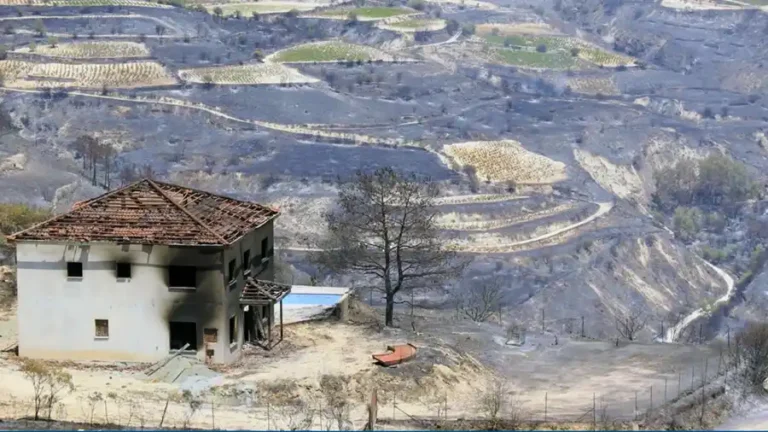
Majority of burnt homes in Limassol lack building permits

Post-wildfire inspections in rural Limassol show only 40% of damaged homes had valid building permits, with many either unlicensed or undocumented, exposing long-standing gaps in Cyprus’ planning system.

Philelephtheros has reported that according to figures from the Limassol District Organisation of Local Government (EOA), of the 710 buildings affected by the fire, only 293 have confirmed building permits. Alarmingly, 417 either lack permits, only hold planning approvals, or remain under investigation due to insufficient documentation.

Key findings from the inspections

  • 293 structures: Confirmed building permits.
  • 43 additional cases: Permits identified but still under verification.
  • 49 structures: Only a planning permit, no building permit.
  • 104 structures: Constructed with no permits at all.
  • 221 structures: No records found; investigations ongoing.

This means that, at present, only about 40% of the damaged properties can be considered fully legal. In contrast, as many as 60% are either partially unlicensed or completely unauthorised.

It is also difficult to understand how these buildings managed to get electricity and water as the authorities require specific permits and documentation that prove the property is legally constructed.

A widespread illegal building issue

The mayor of Kouris, Pantelis Georgiou, had previously estimated that around 20 – 30% of affected homes were unlicensed, often built outside legal residential zones. The latest findings suggest that this percentage could in fact be higher, with at least 13 – 15% confirmed to have been built without any form of permit.

The process of clarifying the legal status of the affected properties has proven extremely complex, given that many files were historically scattered across district offices, while plots often changed numbers or owners over time.

Next steps for building owners

The EOA has forwarded its findings to the Limassol District Administration. Officials are expected to contact property owners directly, asking them to provide any documents that may confirm existing permits.

Importantly, government compensation depends on permit status.

  • Fully licensed owners: Eligible for full compensation.
  • Unlicensed properties: Compensation capped at 25% of total damages.

Several homeowners have already approached authorities to ask how they can regularise their properties to secure compensation.

A broader reflection

Beyond the tragedy of the wildfire, the situation underscores systemic problems in Cyprus’ construction and planning sector, where illegal or semi-legal developments have long been tolerated.

Golden visa debate as Cyprus issues 48k permits

From January 2023 to August 2024, Cyprus granted more than 48,000 residence permits to non-EU citizens – employees of foreign-owned firms and their families – with Russian citizens topping the list, as an MP warns that recent Golden Visa reforms could mirror the island’s discredited golden passport scheme.

Cyprus’ migration and residency policies have once again come under the spotlight, following parliamentary concerns that the country’s recently amended Golden Visa scheme could be seen as a backdoor return of the disgraced “golden passport” scheme that was terminated abruptly in November 2020.

Nicosia MP Alexandra Attalides voiced her concerns that the inclusion of a fast-track route to citizenship for “highly specialised” employees at designated foreign firms might effectively soften the government’s stance on investment-based migration.

In response, Interior Minister Constantinos Ioannou presented fresh figures in Parliament, outlining the scale of residence permits issued over the past 20 months. (By my calculation that’s more than 120/day, assuming they didn’t work weekends and public holidays.)

48,212 residence permits issued since 2023

According to the Deputy Ministry of Migration and International Protection, between 1 January 2023 and 26 August 2024, more than 48,000 temporary residence permits were granted to employees of foreign-owned companies and their families.

The breakdown is as follows:

Category 2023 2024 Total
Employees in foreign owned companies 12,239 8,758 20,997
Family members under family reunification 15,864 9,189 25,053
Family members as dependent visitors 1,559 603 2,162
Total 29,662 18,550 48,212

Where do these workers come from?

The data show that the majority of residence permits were issued to Russian nationals, who accounted for more than two-thirds of the total. Significant numbers also came from neighbouring and regional countries, reflecting Cyprus’ role as a relocation hub.

  • Russia: 33,517
  • Ukraine: 3,504
  • Belarus: 2,713
  • Israel: 1,957
  • India: 1,230
  • Lebanon: 1,193
  • Kazakhstan: 336
  • United Kingdom: 322
  • United States: 254
  • China: 241
  • Other countries: 2,945

These figures cover a combination of residence and work permits, as well as permits for family reunification and dependent visitors. However, the Minister gave no indication of what checks (if any) would be carried out should these non-EU citizens apply for citizenship after just four years of residence.

Balancing growth and public confidence

The influx of non-EU and other professionals reflects Cyprus’ ongoing appeal as a base for international business, technology firms, and financial services. Their arrival contributes to the economy through housing demand, consumption, and taxation.

However, the numbers also raise questions about:

  • Public services: whether infrastructure, schools and healthcare can keep up.
  • Housing affordability: as rising demand drives up property prices and rents, particularly in Larnaca.
  • Public perception: particularly in the shadow of Cyprus’ past with “golden passports”.

The government insists that the current framework is designed to balance economic growth with integrity and transparency, while critics stress the need for close monitoring to avoid reputational risks.

A policy debate that will continue

The publication of these figures highlights the scale of non-EU migration linked to Cyprus’ international business ecosystem. While thousands of foreign professionals and their families now call Cyprus home, the political debate over the Golden Visa scheme and its potential risks show no sign of fading.

For now, Cyprus’ challenge lies in ensuring that residency policies remain credible, sustainable, and beneficial to both the economy and society at large.

(Meanwhile, Cyprus has launched an ambitious recruitment offensive targeting its overseas diaspora, deploying successful business professionals as “ambassadors” to reverse decades of brain drain and compete for skilled workers in an increasingly competitive global talent market with offers of up to €25,000 tax breaks to attract overseas Cypriot workers.)

RICS/KPMG: Cyprus property market stabilising

The latest RICS Cyprus Property Price Index with KPMG shows a stabilising real estate market in Q2 2025, with moderate gains in housing, rentals, and leisure properties, while shops continue to lag behind.

According to the price index, most property categories recorded moderate growth during the second quarter, with apartments and houses leading the way.

District highlights

  • Larnaca: Strongest overall price growth, especially in houses and warehouses.
  • Nicosia: Stable upward trend in the residential sector, with increases in the price of both houses and apartments.
  • Limassol: Almost no change, with some negative shifts, particularly in warehouses and shops.
  • Paphos: Largest decline in warehouses, though apartments saw a slight rise.
  • Famagusta: Offices recorded the highest increase among all cities.

Long-term price trends and comparisons

Compared with Q2 2024:

  • Strongest growth: Apartments and houses.
  • Moderate growth: Offices and warehouses.
  • Weakest performance: Shops, continuing to show limited investment appeal.

Over the longer term, the Index confirms steady improvements following the fluctuations of the past decade. Residential property (both houses and apartments) has seen significant price growth, while commercial properties, especially shops, remain less dynamic.

Leisure properties: tourism boosts demand

Leisure real estate remains particularly strong.

  • Tourist apartments: Top performer with notable increases.
  • Holiday homes: Continued upward trend.

Tourism demand keeps these categories high on the list for both buyers and investors. On a city level, Larnaca recorded the strongest quarterly growth for holiday homes and apartments, while Paphos saw the weakest.

Rental prices

Rental values continue to climb compared with the previous year:

  • Highest increases: Apartments, followed by warehouses.
  • Smaller increases: Most other categories.
  • Decline: Shops, extending the negative trend of recent quarters.

This contributes to the sense of stabilisation, with limited fluctuations across the market.

Property yields

Property yields showed only minor changes versus 2024:

  • Apartments: 5.41% (vs 5.43%)
  • Houses: 2.97% (vs 3.00%)
  • Shops: 5.75% (vs 5.80%)
  • Warehouses: 4.24% (vs 4.25%)
  • Offices: Stable at 5.61%
  • Tourist apartments: 5.75% (vs 5.77%)
  • Holiday homes: 2.79% (vs 2.78%)

The only noticeable decline came from the retail sector.

RICS/KPMG Commentary

On behalf of RICS, Simon Rubinsohn, RICS Chief Economist, commented:

“Economic news flow generally remains solid helping to underpin the real estate market. This is visible in the latest results from the RICS Cyprus Property Price Index with KPMG in Cyprus and also the Q2 RICS Commercial Property Monitor which captures sentiment on the island. Significantly, the latter is suggesting that the trend in investor enquiries remains on a positive trajectory”.

On behalf of KPMG in Cyprus, Christophoros Anayiotos, Board Member and Head of the Real Estate Industry Group, stated:

“The second quarter of 2025 shows modest increases across all sectors, but most notably in Apartments and Houses. Larnaca recorded the highest overall increases, particularly in Houses and Warehouses, while Limassol showed almost flat and/or negative changes. Retail appears to be the least favourable asset, recording minor movements, albeit a strong increase in Larnaca.

“Rental values once again showed modest increases, led by Apartments, while Retail recorded a minor decrease, continuing the trend of previous quarters. Overall, the Index shows a tendency towards stabilisation, exhibiting minor increases in both sale and rental values, and this is further strengthened by minor and/or flat movements in property yields”.